Mindo Hummingbird Species Guide

Booted Racket-tail in Mindo, Ecuador

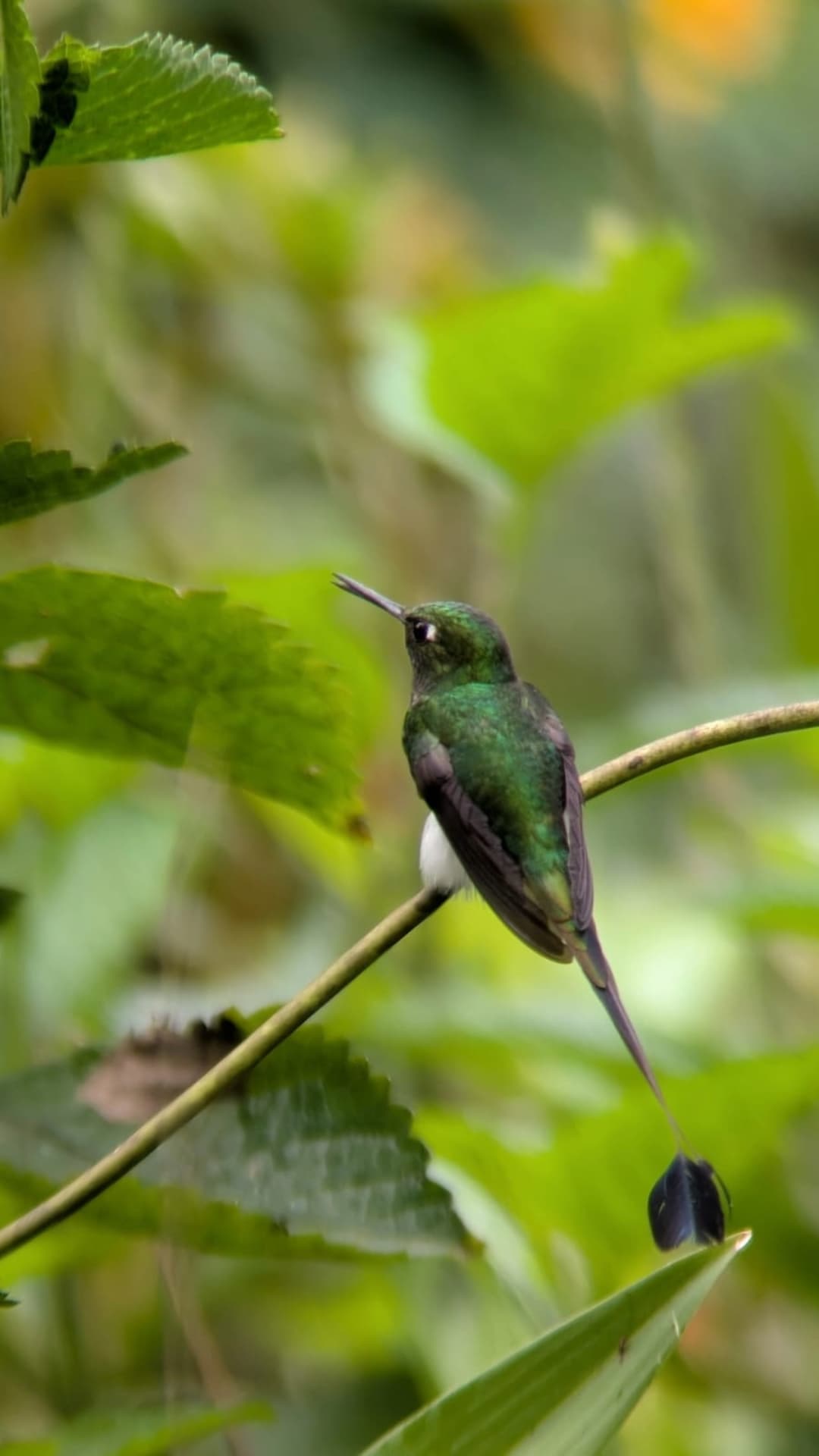
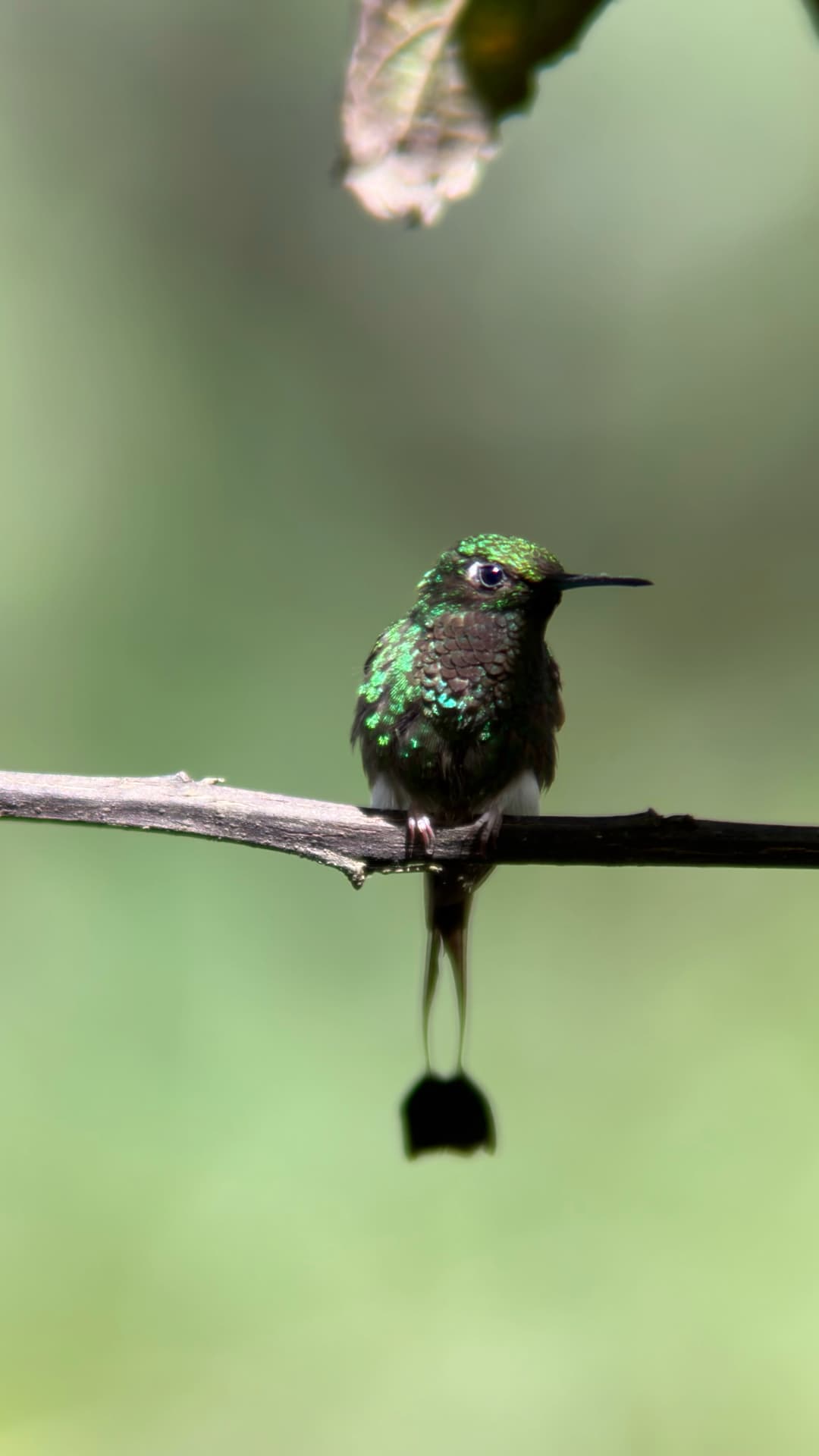
The White-booted Racket-tail (Ocreatus underwoodii), widely known here as the Booted Racket-tail, is one of Mindo's most delightful hummingbirds: tiny, fast, elegant, and unforgettable when the white boots and tail rackets come into view.

This guide connects the species with real trip planning: where it fits in a hummingbird route, when a private guide helps, what affects photography, and which tour format gives you enough flexibility.

Hummingbird targetFeeder and flower activityPhotography favoriteMorning route friendly
Quick answer

Can you see Booted Racket-tail in Mindo?

Yes, it is a realistic hummingbird target around Mindo, especially when a route includes productive flowers, gardens, feeders, or forest edges. It should still be treated as a conditions-based bird: weather, feeding activity, light, and timing can change the quality of the encounter.

Listen to the Booted Racket-tail

Learning its voice can complement visual identification of this fast-moving cloud-forest hummingbird.

Bird call

Hear a White-booted Racket-tail recording

Open the original recording on Xeno-canto for identification practice. In the field, keep playback limited and follow your guide’s ethical-birding judgment.

Listen on Xeno-canto

Recording: Marc Anderson · Xeno-canto XC987221 · CC BY-NC-ND 4.0

Booted Racket-tail: Video and Photos

A one-minute field Short and three supplied portrait slides in the approved 9:16 media pattern.

Field video from MindoWatch this fast hummingbird feed, perch, and move through its cloud forest setting.
White-booted Racket-tail perched near Mindo, Ecuador
Booted Racket-tail showing its white leg puffs and racket-shaped tail
White-booted Racket-tail in northwest Ecuador cloud forest habitat
Three-slide field galleryThe contain-fit 9:16 viewport preserves each supplied frame without cropping.

Why the Booted Racket-tail Matters

A tiny species that carries huge visitor appeal.

Iconic hummingbird look

The white boots and racket-shaped tail make it one of the hummingbirds visitors hope to recognize quickly.

Strong photo potential

It is photogenic, but the best images depend on patience, repeat feeding behavior, light, and clean backgrounds.

Route connector

It pairs naturally with other hummingbirds, toucans, tanagers, and broader cloud forest birding.

Beginner friendly goal

Even new birders can enjoy the search when the guide explains behavior, size, and field marks clearly.

How to Look for Booted Racket-tail

Use this as practical field planning, not a fixed guarantee.

Watch flowers and feeders

Activity around nectar sources can change quickly. A guide can decide when to wait and when to move.

Look for repeat behavior

Fast hummingbirds often return to productive spots. Patient observation can be better than chasing every movement.

Plan for light and background

For photos, the right angle and background matter. Midday glare, cluttered branches, and rushed pacing can weaken results.

Keep the route flexible

If hummingbirds are the priority, a private plan lets the morning adjust around current activity and weather.

Private Guide or Self-Guided Hummingbird Visit?

Choose based on goals, time, and photography expectations.

Self-guided can work if...

You mainly want a relaxed garden or feeder visit, have flexible time, and are not trying to build a target-species route.

Choose a private guide if...

You want help with identification, timing, photography, and combining hummingbirds with other cloud forest targets in one efficient route.

Best Route and Tour Matches

Eight same-language next steps connect species research to a realistic route.

What Affects Your Chances?

Possible year-round does not mean guaranteed at every stop.

Flowers and feeders

Nectar availability and repeat feeding patterns can shift which garden or edge is productive.

Weather and light

Rain, wind, fog, and harsh light change activity, visibility, and photography conditions.

Timing and patience

Early starts and enough waiting time help more than rushing through unrelated stops.

Current local knowledge

A local guide can adjust elevation, habitat, and route using recent activity without promising a sighting.

From Quito to Hummingbird Habitat

Build flexibility into the route instead of relying on one guaranteed location.

1. Reach Mindo early

Travel from Quito toward northwest Pichincha early enough to protect the best morning activity.

2. Check conditions

Review weather, flowering plants, feeder activity, and photography priorities with the guide.

3. Work productive edges

Observe quietly near flowers, gardens, and forest edges while keeping access clear for the birds.

4. Broaden the day

Continue with other hummingbirds, toucans, tanagers, and cloud forest birds as conditions allow.

Birds You May Encounter on the Same Route

The mix varies by elevation, habitat, weather, and current food sources.

Violet-tailed Sylph

Another elegant west-slope hummingbird that rewards patient observation and careful photography.

Velvet-purple Coronet

A vivid Chocó hummingbird associated with productive cloud forest routes.

Empress Brilliant

A larger hummingbird that can complement a route through suitable northwest Ecuador habitat.

Toucans and tanagers

Canopy and mixed-flock activity can broaden a hummingbird morning into a richer birding day.

Practical Planning Checklist

Small details make a big difference with hummingbirds.

Best time of day

Morning often gives better bird activity, cooler conditions, and more flexible pacing.

What to bring

Binoculars, camera, rain layer, comfortable shoes, water, and patience for repeated visits to feeding spots.

Photo setup

Use fast shutter speeds, watch backgrounds, and avoid blocking feeder access or natural movement.

Guide recommendation

A private guide helps connect hummingbirds with toucans, tanagers, forest edges, and other Mindo birds.

Booted Racket-tail FAQs

Quick answers for hummingbird-focused planning.

Can you see Booted Racket-tail in Mindo?

Yes. It is a possible and memorable hummingbird target around Mindo, but sightings depend on flowers, feeders, forest edge activity, weather, timing, and route choice.

Do I need a guide for this hummingbird?

A guide helps if Booted Racket-tail is a priority because local knowledge can connect hummingbird activity, route timing, photography angles, and other birds nearby.

Is Booted Racket-tail good for photography?

Yes. It is very photogenic, but it moves quickly. Good light, repeat feeding behavior, clean backgrounds, and patience matter more than simply arriving at one stop.

Which tour is best for Booted Racket-tail?

A custom private birding route or Jewels of the Morning Forest route is usually the best fit when hummingbirds and photography are priorities.

Plan with a local guide

Want to look for the Booted Racket-tail?

Tell us your dates, birding level, photography goals, and whether hummingbirds are your main target or part of a wider cloud forest birding day.