Birding Cock-of-the-Rock
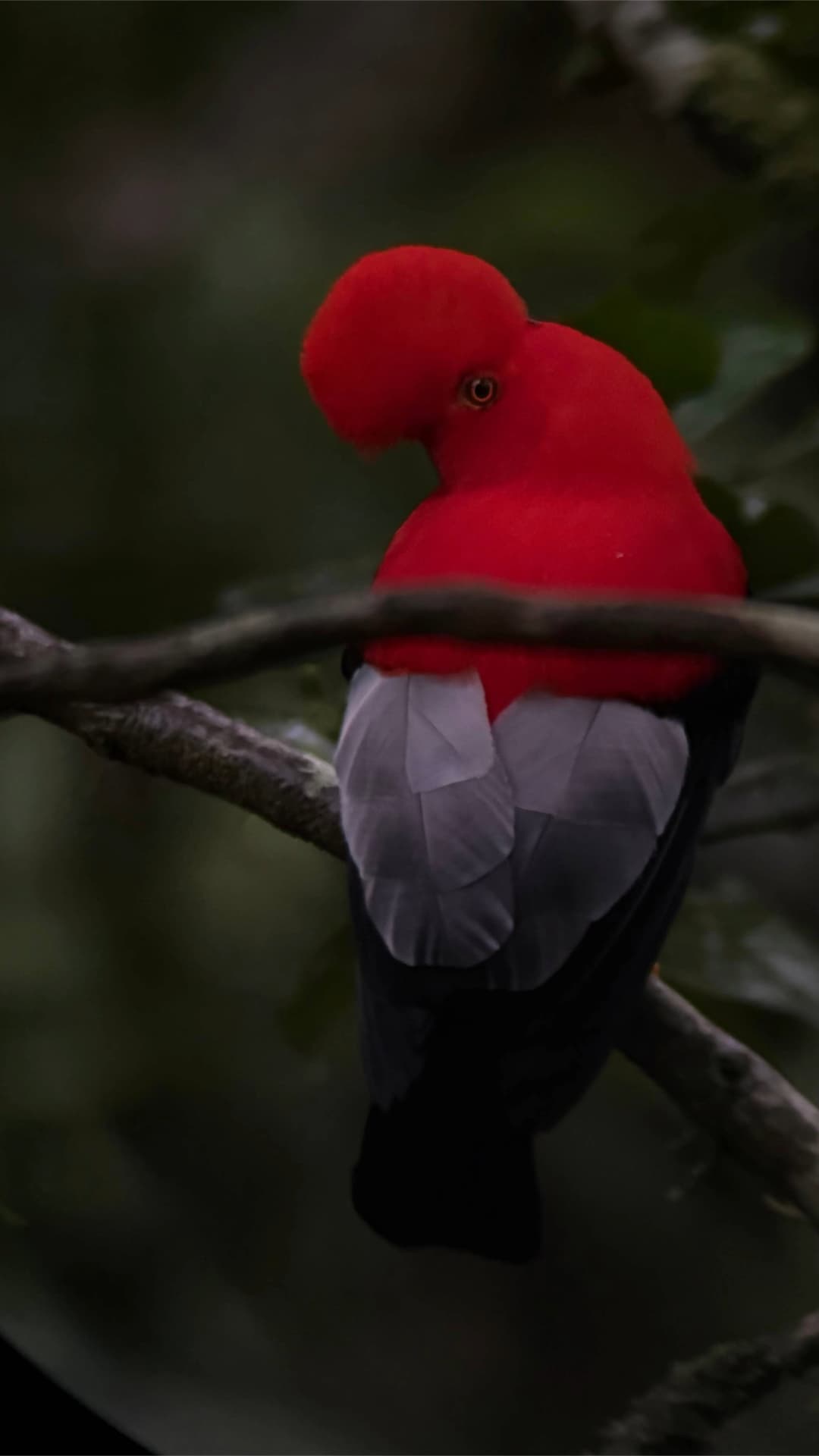
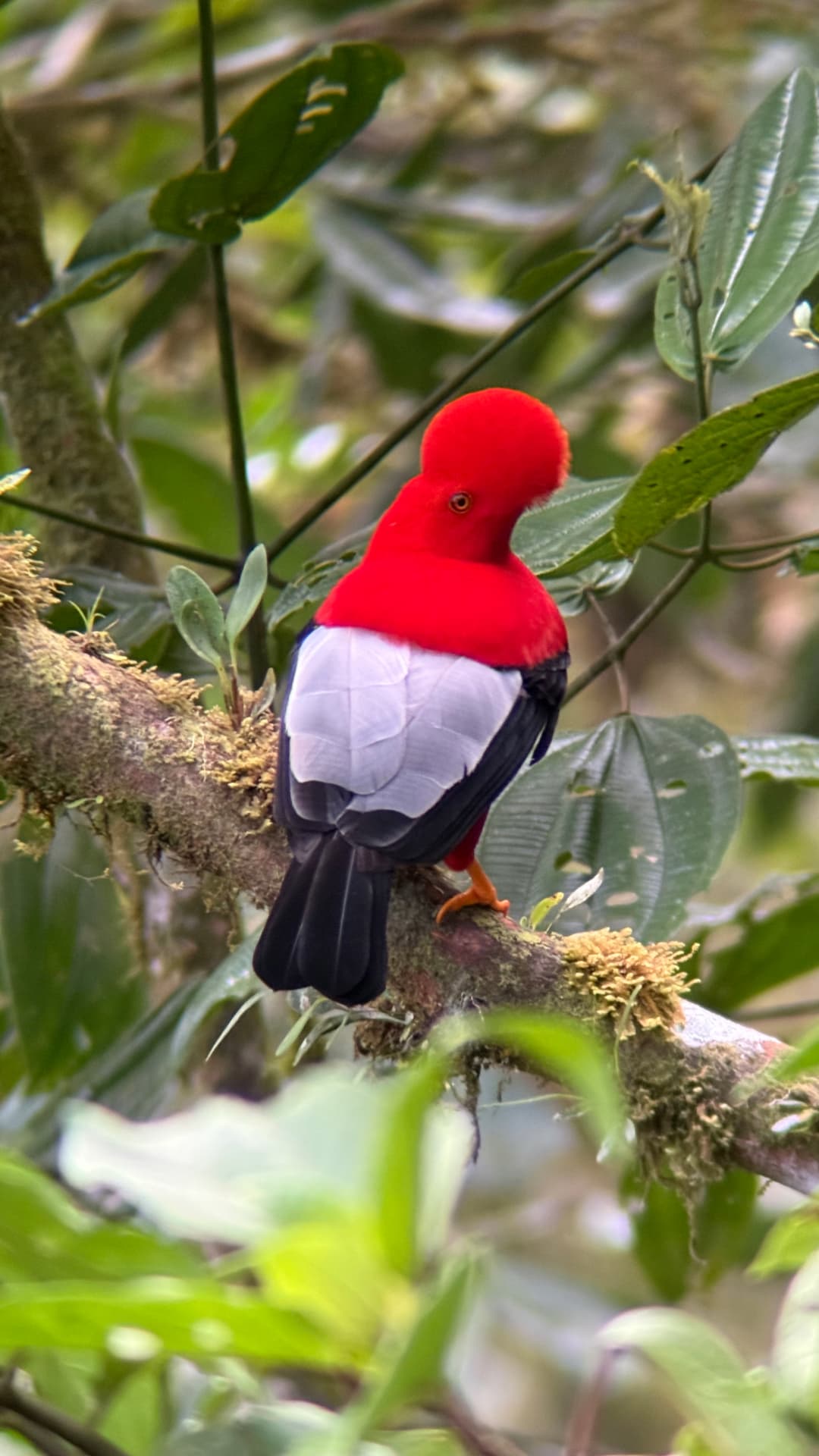
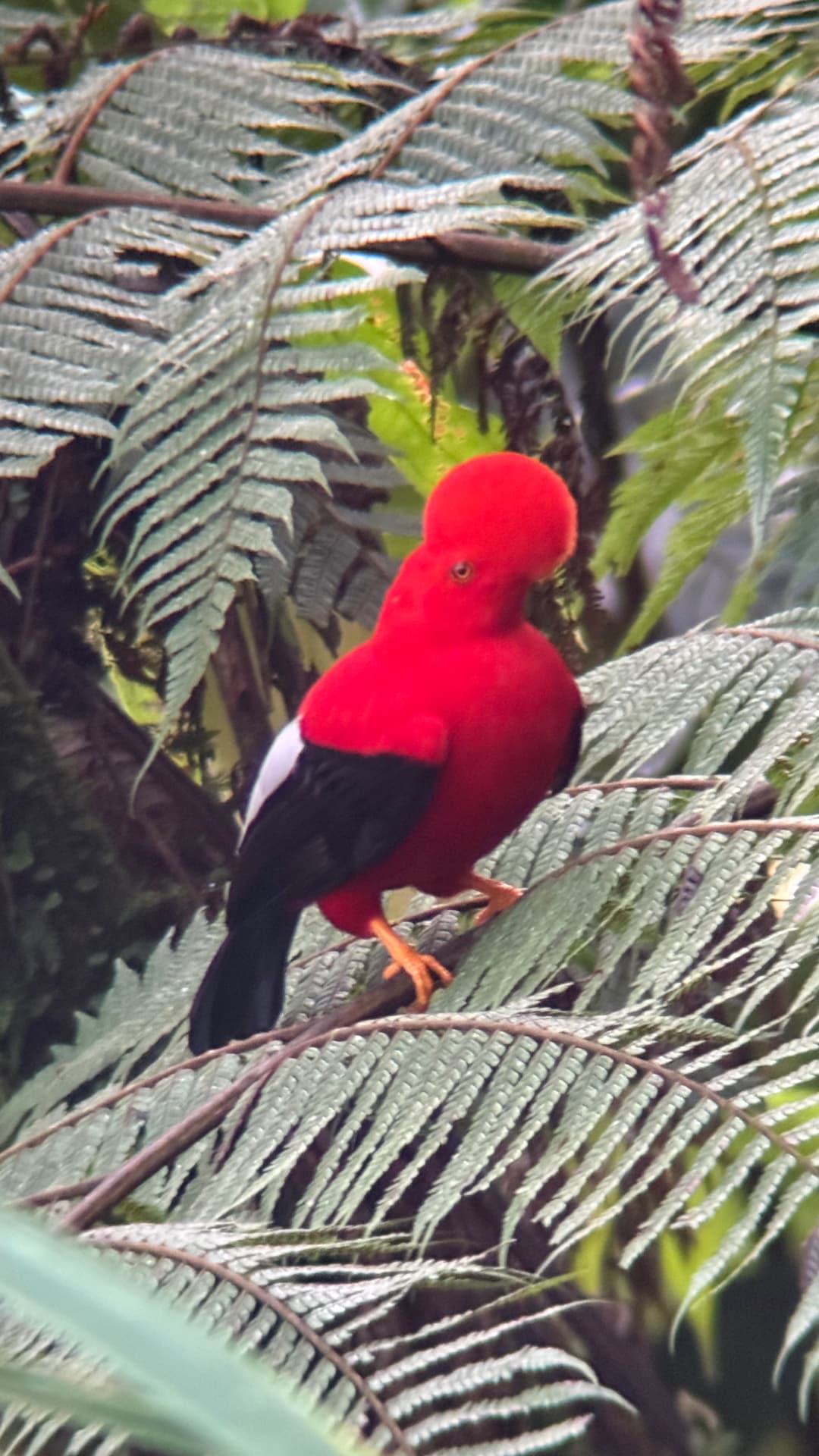
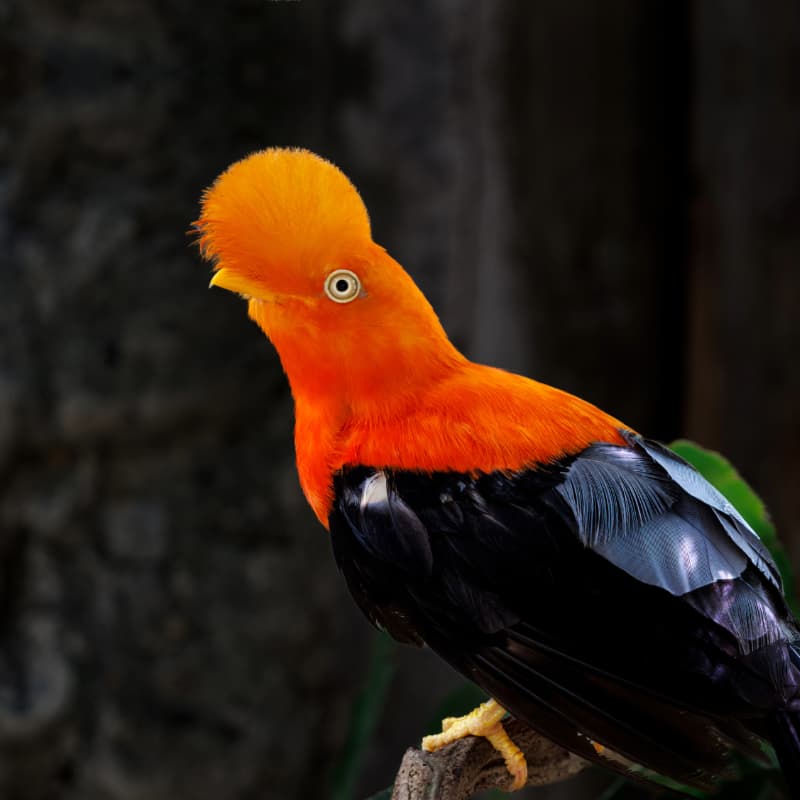
Andean Cock-of-the-Rock in the Mindo cloud forest

Cock of the Rock Mindo: See the Andean Cock-of-the-Rock

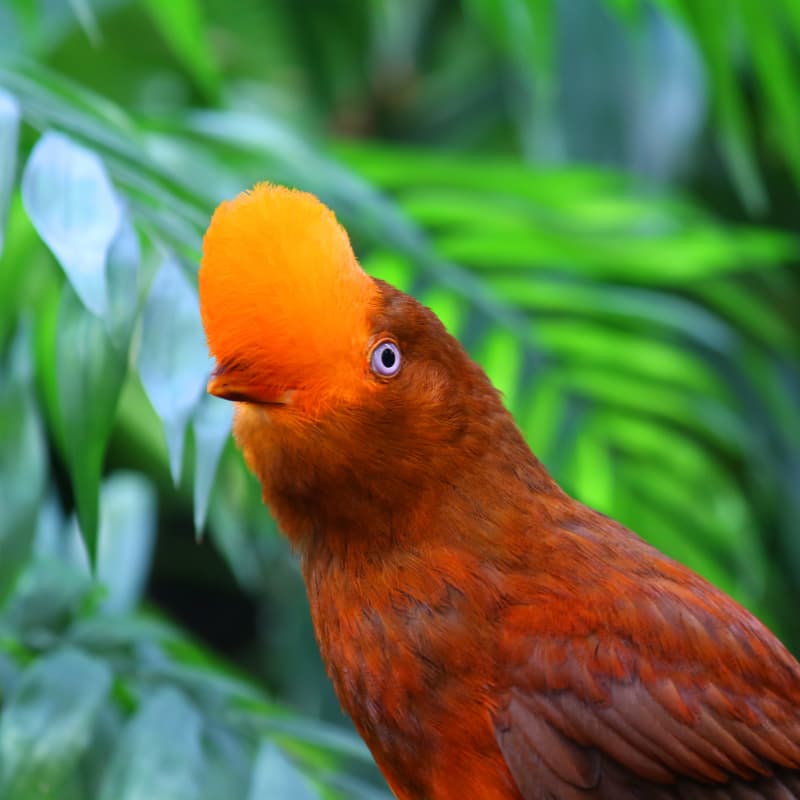
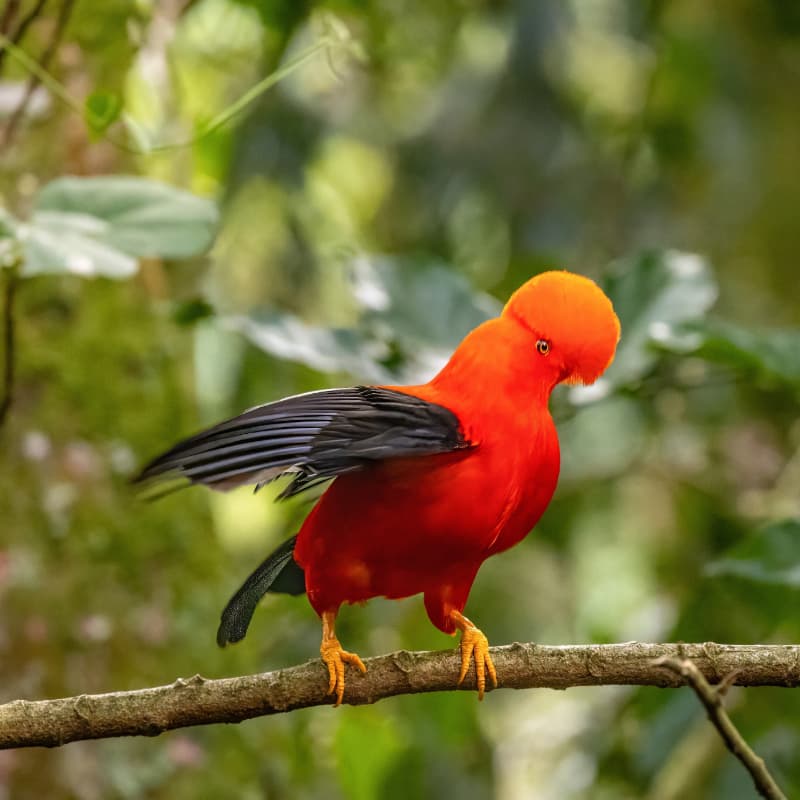
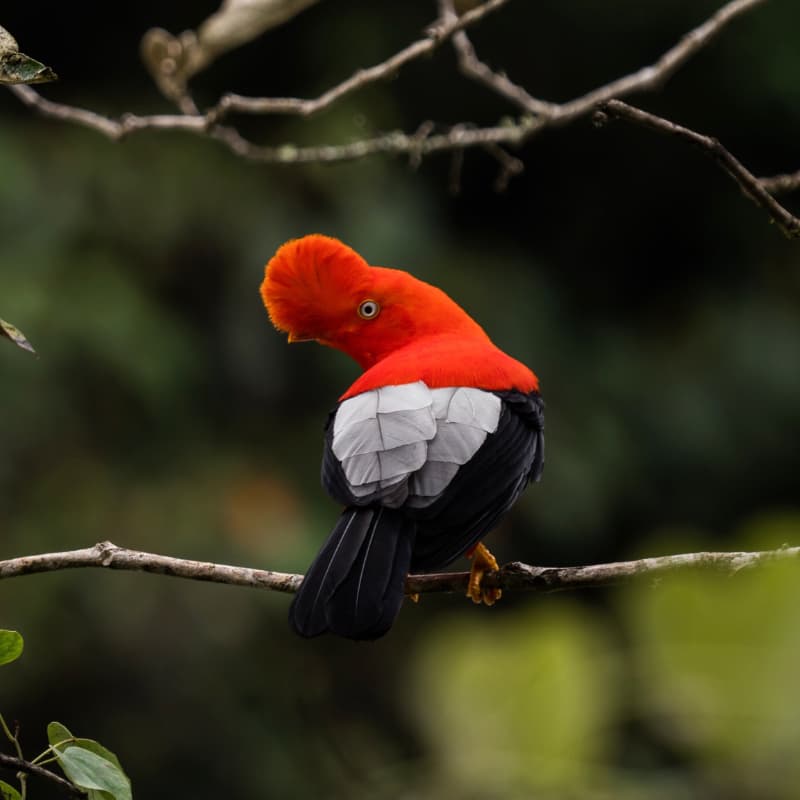
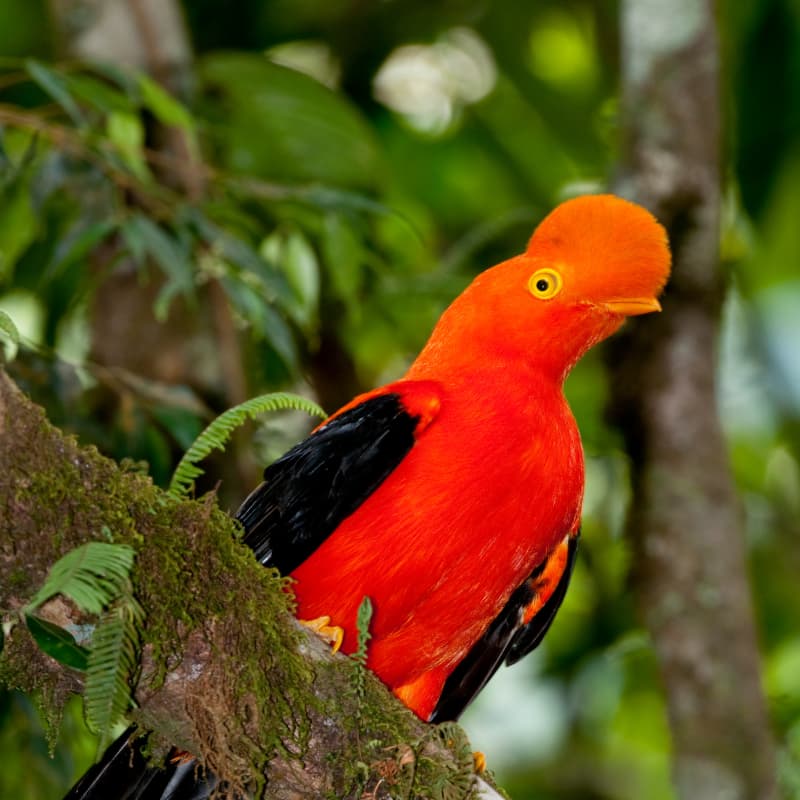
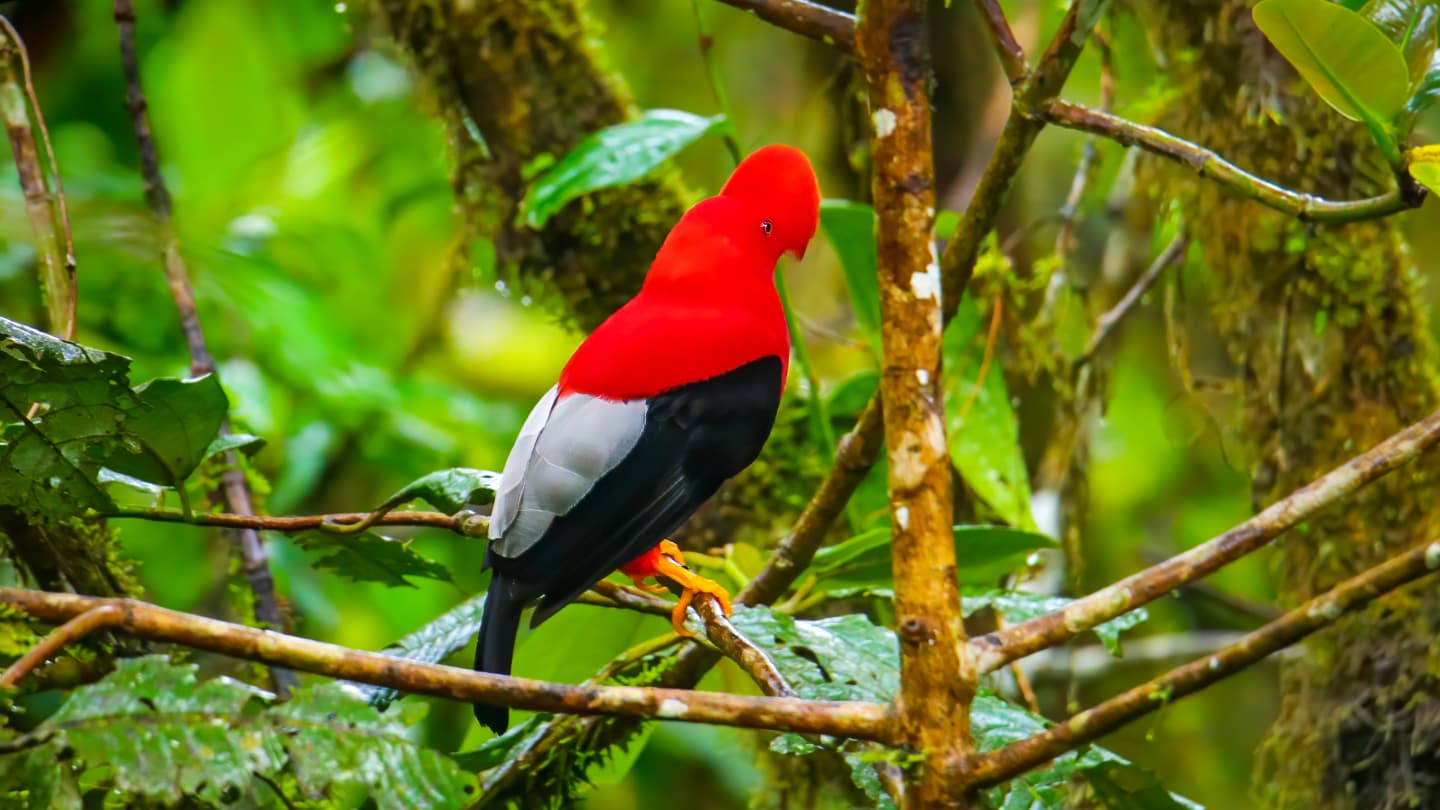
Mindo is one of Ecuador's best places to see the Andean Cock-of-the-Rock (Rupicola peruvianus), a cloud forest icon known for its scarlet-orange plumage, loud calls, and dramatic dawn lek displays. Use this guide to understand where Cock of the Rock is seen near Mindo, when activity is strongest, how to observe responsibly, and when a private local guide can improve your chances without disturbing the birds.

Bird Watching in Mindo, Ecuador

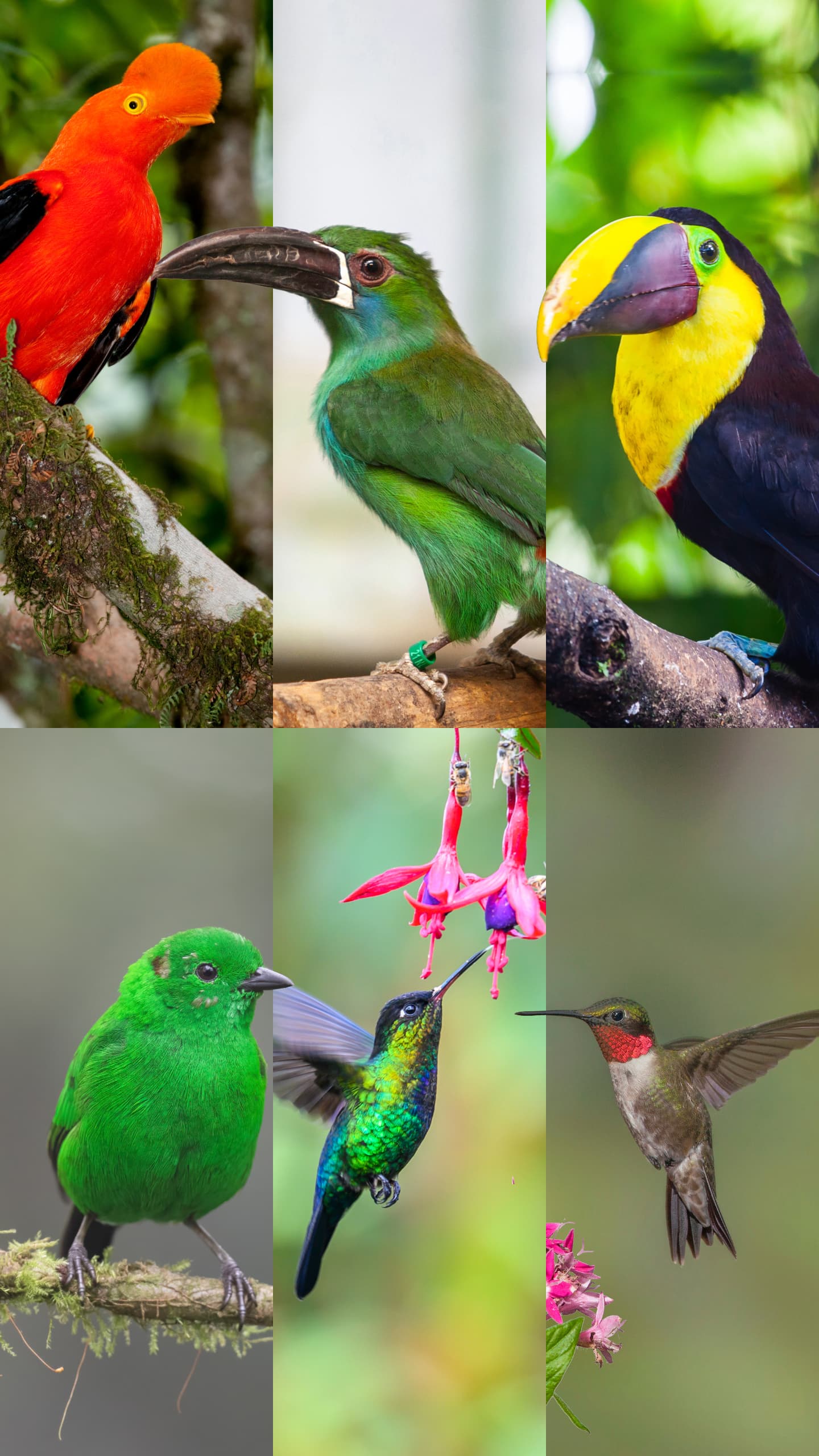
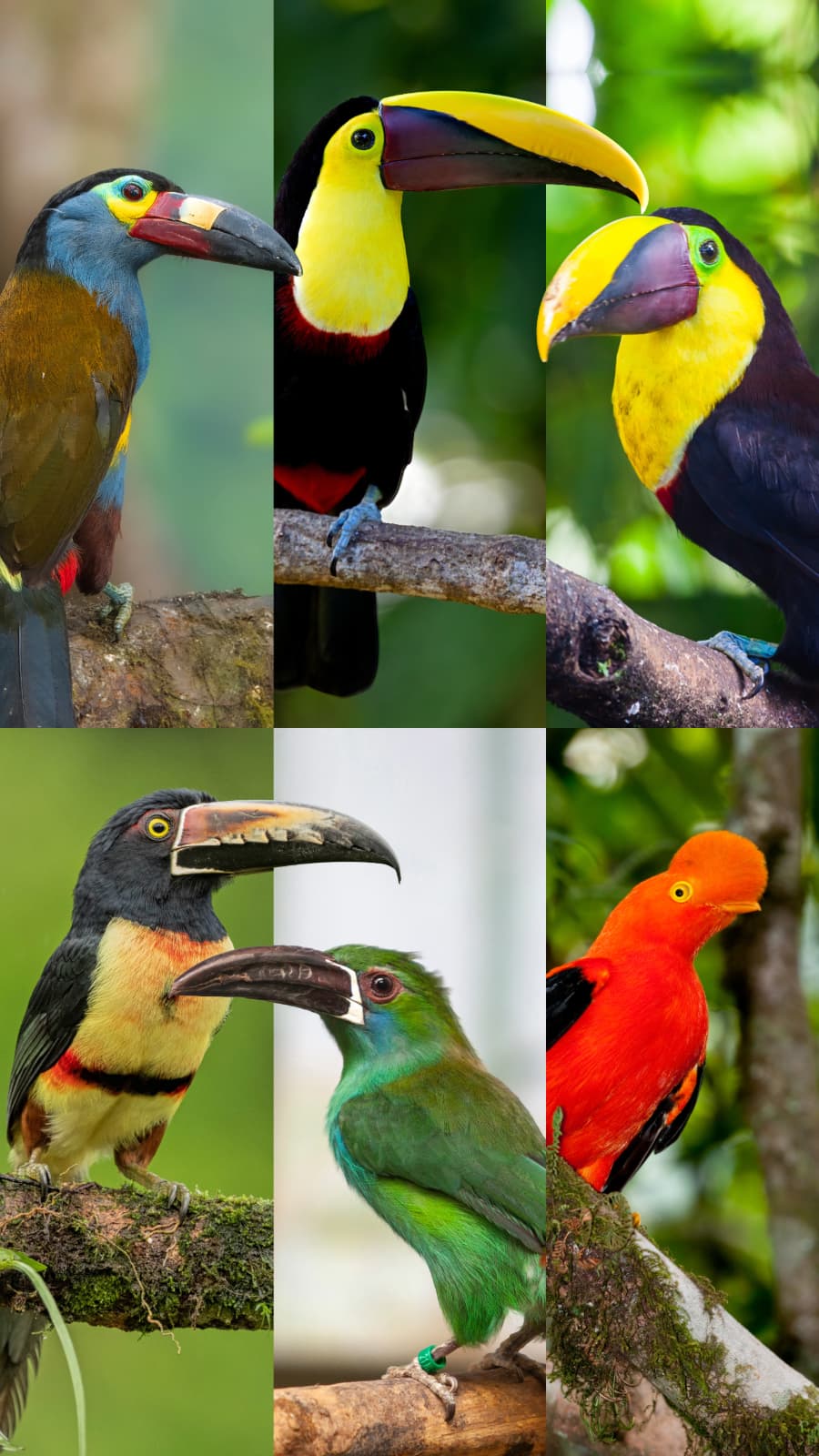
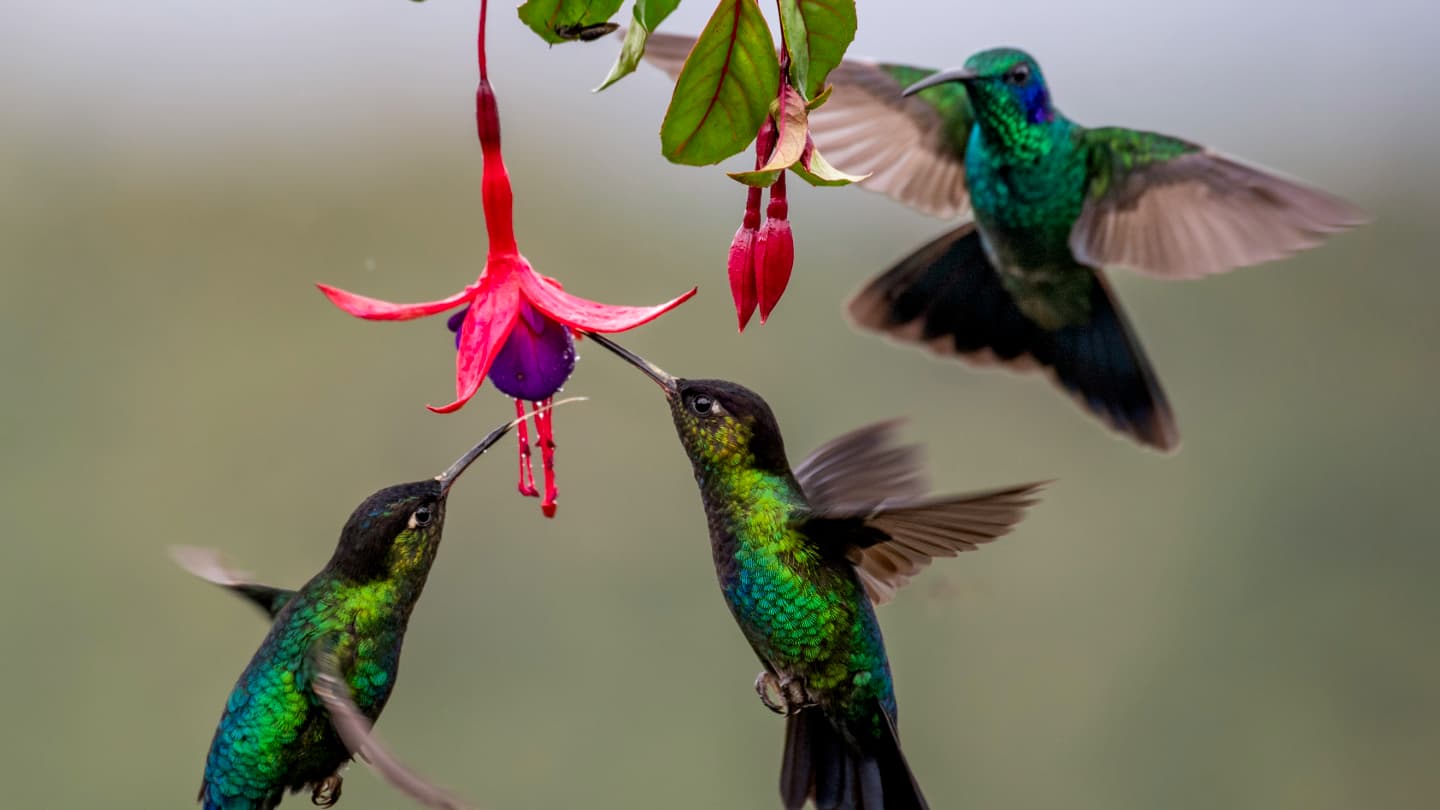
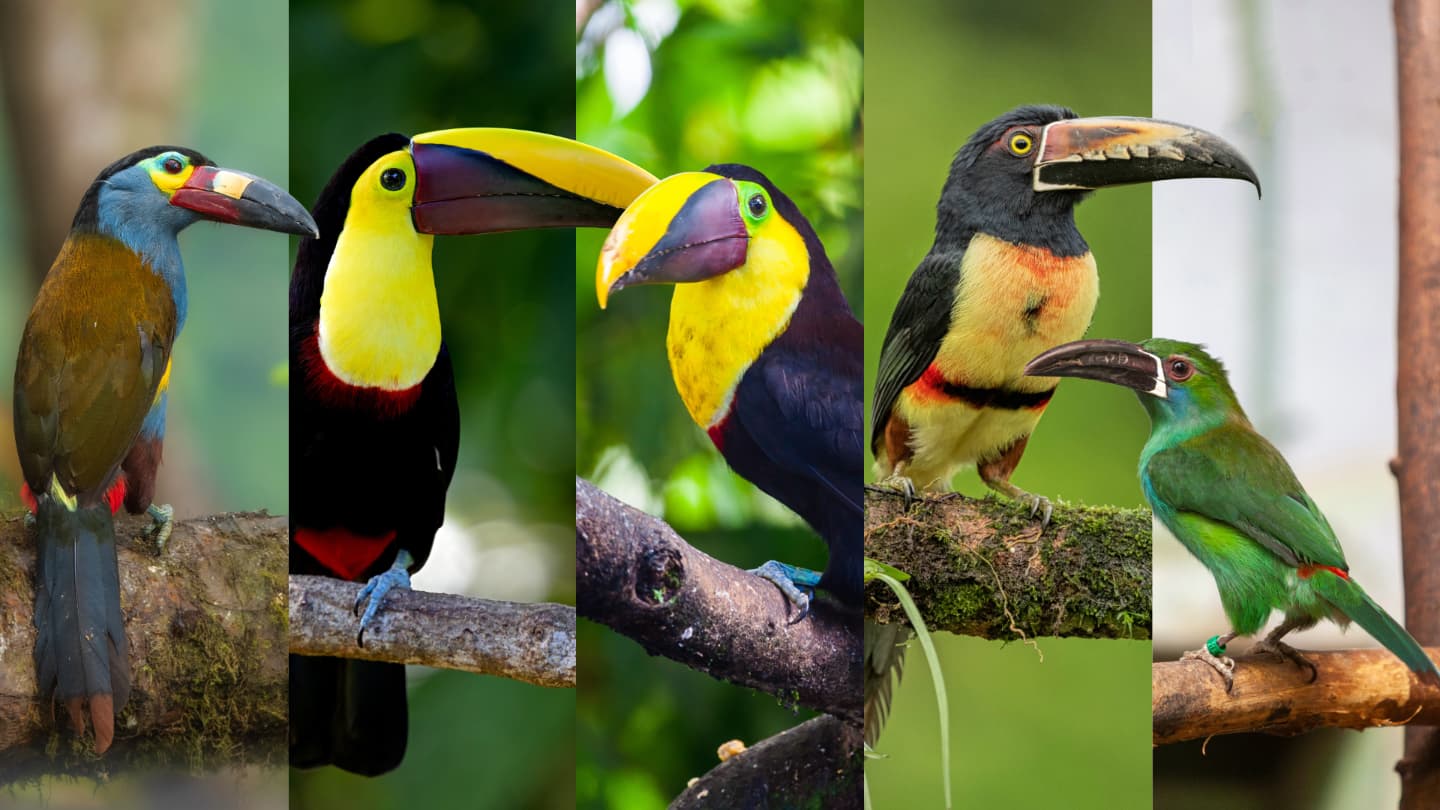
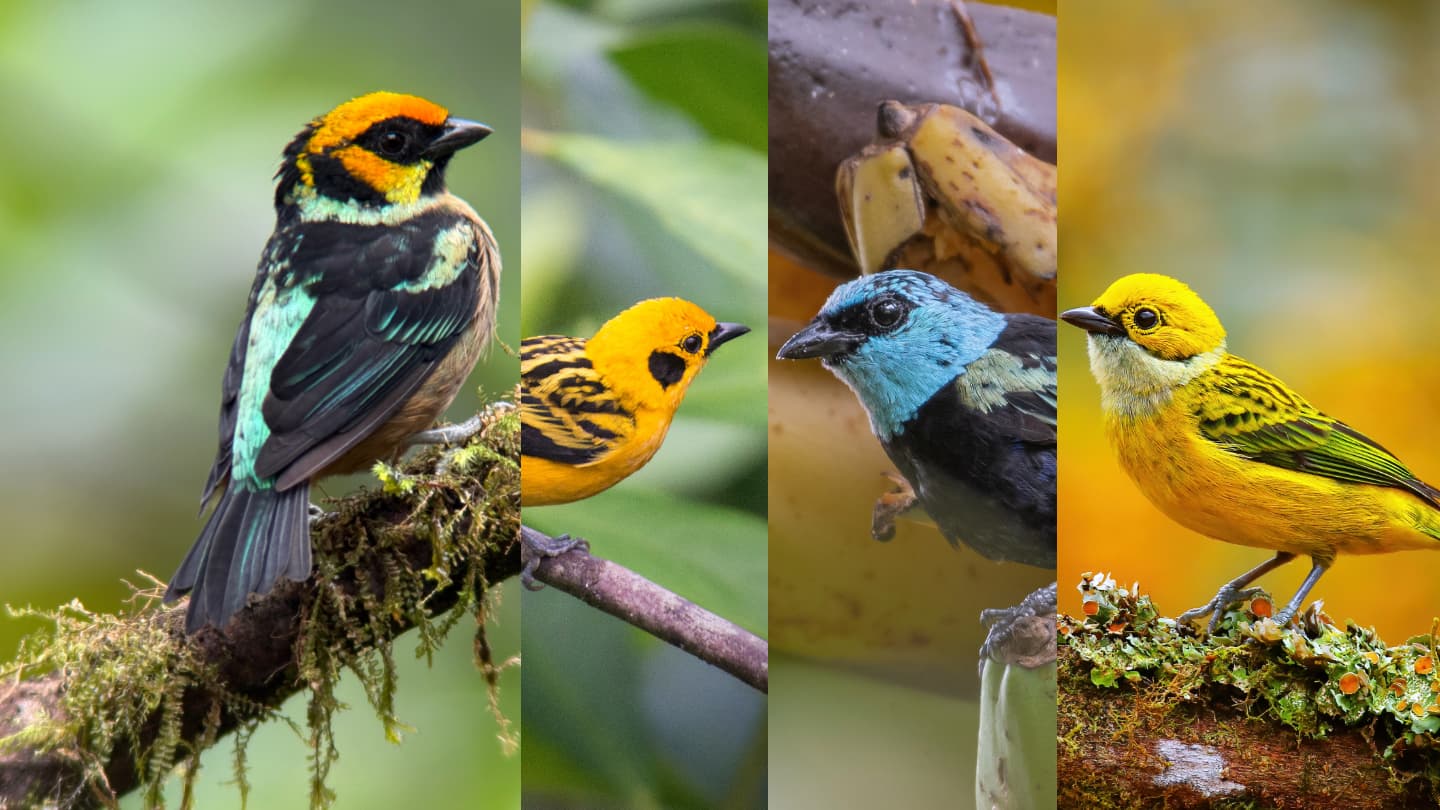
Mindo is one of the top destinations for bird watching in Ecuador, known for its incredible biodiversity and accessibility. Many visitors come specifically for Mindo bird watching tours, which offer the best chance to see species like hummingbirds, toucans, tanagers, and the Andean Cock-of-the-Rock in a single trip. Whether you are planning a focused birding experience or a general nature visit, bird watching in Mindo provides some of the highest species diversity in the country. For a wider route, pair this page with our guides to hummingbirds of Mindo and toucans of Mindo.

Explore Birdwatching Tours

If you want to see these species with a local guide, explore our birdwatching tours in Mindo , or view our full guide to birdwatching tours across Ecuador , designed around real conditions, active feeding areas, and the best locations for each species.

The Cock-of-the-Rock Lek Experience

Why dawn timing, silence, and field knowledge matter.

What is a lek?

A lek is a traditional display area where male Andean Cock-of-the-Rock gather to call, posture, and compete for attention. Near Mindo, this behavior is one of the most memorable birding experiences because it combines sound, color, movement, and cloud forest atmosphere in a short early-morning window.

Why go with a local guide?

Active lek conditions can change with weather, season, access, and recent bird activity. A local guide helps choose the right route, arrive at the right time, keep the group quiet, and observe from a respectful distance so the experience remains ethical and low-impact.

Where and When to See Cock of the Rock in Mindo

Practical planning notes for birders and photographers.

Best habitat

Look for steep, humid cloud forest ravines and protected forest edges where lek sites remain active. Exact locations should be approached carefully and responsibly, especially when birds are displaying.

Best timing

Plan for a very early start. The strongest activity is usually close to dawn, and arriving calmly before the display begins gives you a better chance of seeing natural behavior without rushing into the viewing area.

Where and how the Cock-of-the-Rock is seen

Practical notes that help you plan smarter.

Best time of day

  • Dawn is the prime window and early arrival matters
  • Most activity happens at a lek, where males display repeatedly
  • Cloud forest conditions can be damp, but the display can still be productive

What increases your chances

  • A guide who monitors recent lek activity and timing
  • Quiet, patient viewing with no sudden movement or loud voices
  • Arriving before peak activity to settle in without disturbance

Why Mindo is famous for the Andean Cock-of-the-Rock

What makes this one of the most sought-after birding moments in the cloud forest.

A classic lek display in cloud forest habitat

Birders travel to Mindo specifically for the chance to watch lek behavior, where males gather and display in the early morning. The combination of dramatic color, movement, sound, and low-light forest atmosphere makes this one of the most memorable birding experiences in Ecuador.

Timing and etiquette make a big difference

Unlike birds that are found by simply walking trails, Cock-of-the-Rock viewing is often about timing and patience. Guides improve the experience by choosing the right route, confirming recent activity, and helping visitors observe responsibly without disrupting the display.

What to look for

Examples of what you may observe during a successful visit. Nature always varies.

Male Andean Cock-of-the-Rock
The male
Brilliant orange-red with a dramatic crest and strong display posture.
Female Andean Cock-of-the-Rock
The female
More subtle in color and often less conspicuous near the display area.
Cock-of-the-Rock lek display scene
Lek display
Males gather, call, posture, and compete for visibility and attention.
Cloud forest habitat in Mindo
Habitat
Humid, steep cloud forest with dense vegetation and low dawn light.
Photography conditions for Cock-of-the-Rock
Photography
Low-light conditions reward patience, quiet movement, and stable technique.

Photography Tips for Cock of the Rock in Mindo

Low-light forest conditions reward patience, quiet movement, and realistic expectations.

Prepare for low light

Cock-of-the-Rock viewing often happens before the forest is fully bright. A fast lens, stable shooting posture, higher ISO tolerance, and quiet shutter discipline can help, but the most important factor is respecting the display. Flash should be avoided around lek activity, and every visit should prioritize the bird before the photograph.

Use the wider birding route

A dawn lek visit can pair naturally with other Mindo birding highlights later in the morning. After the display window, many visitors continue toward hummingbird gardens, toucan habitat, tanager-rich forest edges, or private birdwatching routes. This makes the Cock-of-the-Rock experience part of a stronger full-day birding plan rather than a single-species stop.

Best tours for Cock-of-the-Rock observation

Choose a tour based on your time window and broader birding goals.

Andean Cock-of-the-Rock at Dawn image

Andean Cock-of-the-Rock at Dawn

A sunrise-focused route designed around lek activity for the most reliable chances to witness this iconic species at the right time.

Quest for Five Toucans image

Quest for Five Toucans and the Andean Cock-of-the-Rock

Want more variety? The full-day route combines toucans with a Cock-of-the-Rock dawn start when conditions align.

Frequently asked questions about the Andean Cock-of-the-Rock in Mindo

Helpful answers for planning expectations and timing.

Where can you see the Andean Cock-of-the-Rock in Mindo?

This species is usually seen near lek sites in humid cloud forest habitat around Mindo. Guided dawn visits often provide the most reliable chances because they are timed around recent activity.

What is the best time to see the Andean Cock-of-the-Rock?

Dawn is typically best because lek behavior peaks early. Arriving before first light or very early in the morning is one of the biggest factors in a successful visit.

Do you need a guide to see the Andean Cock-of-the-Rock?

A guide helps a great deal. Local birding guides know which lek areas are active, how to time the visit, and how to keep the experience respectful and low impact for the birds.

Is it good for photography?

Yes, but conditions can be challenging because lek viewing often happens at dawn in low light. The best results usually come from patience, quiet positioning, and realistic expectations about forest light.

What is a Cock-of-the-Rock lek?

A lek is a display area where males gather at dawn to call, posture, and compete for attention. It is one of the main reasons birders visit Mindo for this species.

How difficult is the Cock-of-the-Rock trail near Mindo?

Difficulty depends on the active route, weather, and trail conditions. Some viewing areas can involve early starts, uneven paths, steps, mud, or low-light walking, so a guide can help match the route to your comfort level.

Continue exploring Mindo birding

Related pages that help connect this experience to the wider birding cluster.

Want the best chance to see the Cock-of-the-Rock display at dawn? Start with the sunrise route and reserve your preferred date.

What happens next

  1. We confirm your date and meeting point
  2. We confirm reserve access and dawn timing
  3. We recommend the right route based on weather and recent activity
  4. We guide quietly and responsibly near the viewing area