What stands out
The most searched bird groups include hummingbirds, toucans, tanagers, antpittas, motmots, woodpeckers, owls, and the Andean Cock-of-the-Rock. The best options change with weather, fruit, flowers, and recent activity.
Mindo is one of Ecuador's most accessible cloud forest birding destinations. In one compact region you can look for hummingbirds, toucans, tanagers, antpittas, motmots, woodpeckers, owls, raptors, and the iconic Andean Cock-of-the-Rock.
Use this guide as a starting point for choosing bird groups, understanding habitats, reviewing related routes, and deciding whether a local guide makes sense for target species, photography, or a first birding morning.
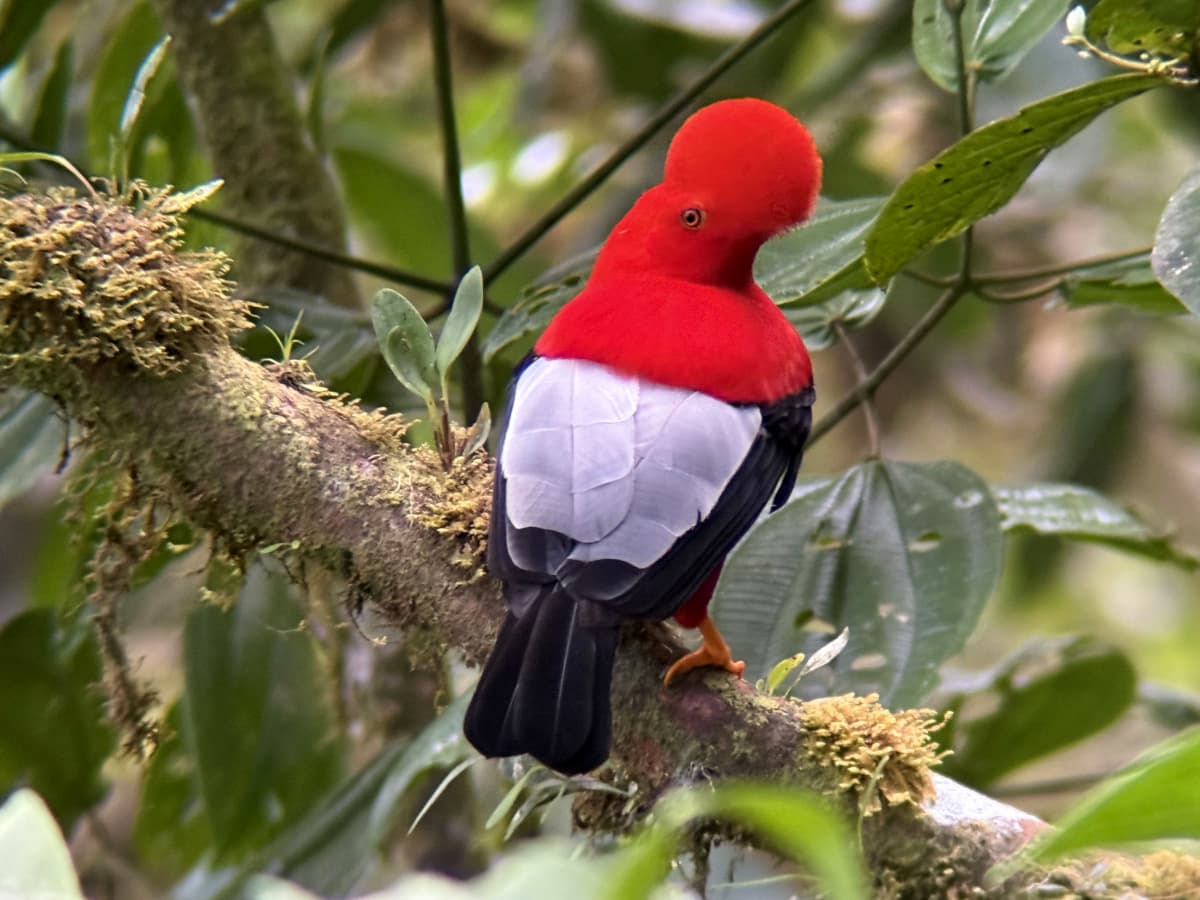
The Andean Cock-of-the-Rock is one of the most memorable target birds for visitors exploring the cloud forest around Mindo.
Mindo combines cloud forest, forest edges, feeders, gardens, trails, and nearby lek sites.
The most searched bird groups include hummingbirds, toucans, tanagers, antpittas, motmots, woodpeckers, owls, and the Andean Cock-of-the-Rock. The best options change with weather, fruit, flowers, and recent activity.
For a first visit, pair an early start with a local guide, a short target list, and flexible route choices. For photography, prioritize light, distance, clean backgrounds, and ethical viewing behavior.
Eight starting points for organizing your species list and reference pages.
Mindo is famous for feeders, flowering gardens, and forest edges where several species can appear in one morning.
Look for toucans, toucanets, aracaris, and barbets in canopy, fruiting trees, and nearby reserves.
Colorful tanagers are central to mixed flocks, fruiting trees, and cloud forest edge birding.
A signature species that requires good timing, quiet behavior, and local knowledge of active lek areas.
Antpittas, wrens, woodcreepers, and shy forest birds reward patience and experienced guiding.
Good targets for calmer routes, forest edges, and observation breaks between mixed flocks.
A night walk can complement a birding day with forest sounds, amphibians, insects, and nocturnal wildlife.
If you already have a species list, build a selection and request a local guide opportunity review.
Choose your path by experience level, available time, and target species.
Start with the main Mindo bird watching guide, review the Mindo bird list, and choose a half-day or full-day guided route based on your schedule.
Use the bird group pages first, then confirm routes with a local guide. Rain, mist, fruiting trees, flowering plants, and recent sightings can quickly change the best plan.
Each habitat favors different species and viewing styles.
Useful for mixed flocks, antpittas, woodcreepers, wrens, and quieter understory birds.
Excellent for hummingbirds, tanagers, photography practice, and relaxed observation.
Productive for toucans, flycatchers, raptors, and birds moving between forest patches.
Ideal for targets like Andean Cock-of-the-Rock when timing and behavior are right.
Eight useful links for routes, timing, lists, sightings, and booking.
Quick answers for travelers planning a birdwatching visit.
Mindo is known for hummingbirds, toucans, tanagers, antpittas, motmots, woodpeckers, owls, raptors, and the Andean Cock-of-the-Rock. Sightings depend on route, weather, and season.
Yes. Many productive sites are close to town, and a guide can adjust the pace, explain bird calls, and help with basic identification without making the outing complicated.
Not always, but a local guide improves routes, timing, identification, photography, and the chance of finding target species such as toucans, antpittas, or Andean Cock-of-the-Rock.
Early morning is usually best. Activity changes with rain, mist, fruiting trees, flowers, and target species, so keeping the route flexible is important.
Tell us your dates, experience level, target birds, photography goals, and available time. We will help you choose a private route with realistic expectations.