Birding gear in Mindo

Birdwatching Equipment for Mindo, Ecuador

Mindo's cloud forest is easier to enjoy with the right optics: bright binoculars for most guests, a lightweight monocular for simple travel, and a spotting scope when distant birds need to be viewed without disturbance. This guide helps visitors, photographers, and equipment partners understand what works best on real birdwatching routes in Mindo.

8x42 binoculars Compact monoculars Spotting scopes Cloud forest use

Guest optics currently available

We recently added two Celestron Outland X 8x42 binoculars, an additional 8x42 HD binocular setup with phone adapter and tripod, plus existing binocular and spotting scope support for selected tours. Availability can vary by guide, route, and group size, so guests should mention equipment needs when requesting a tour.

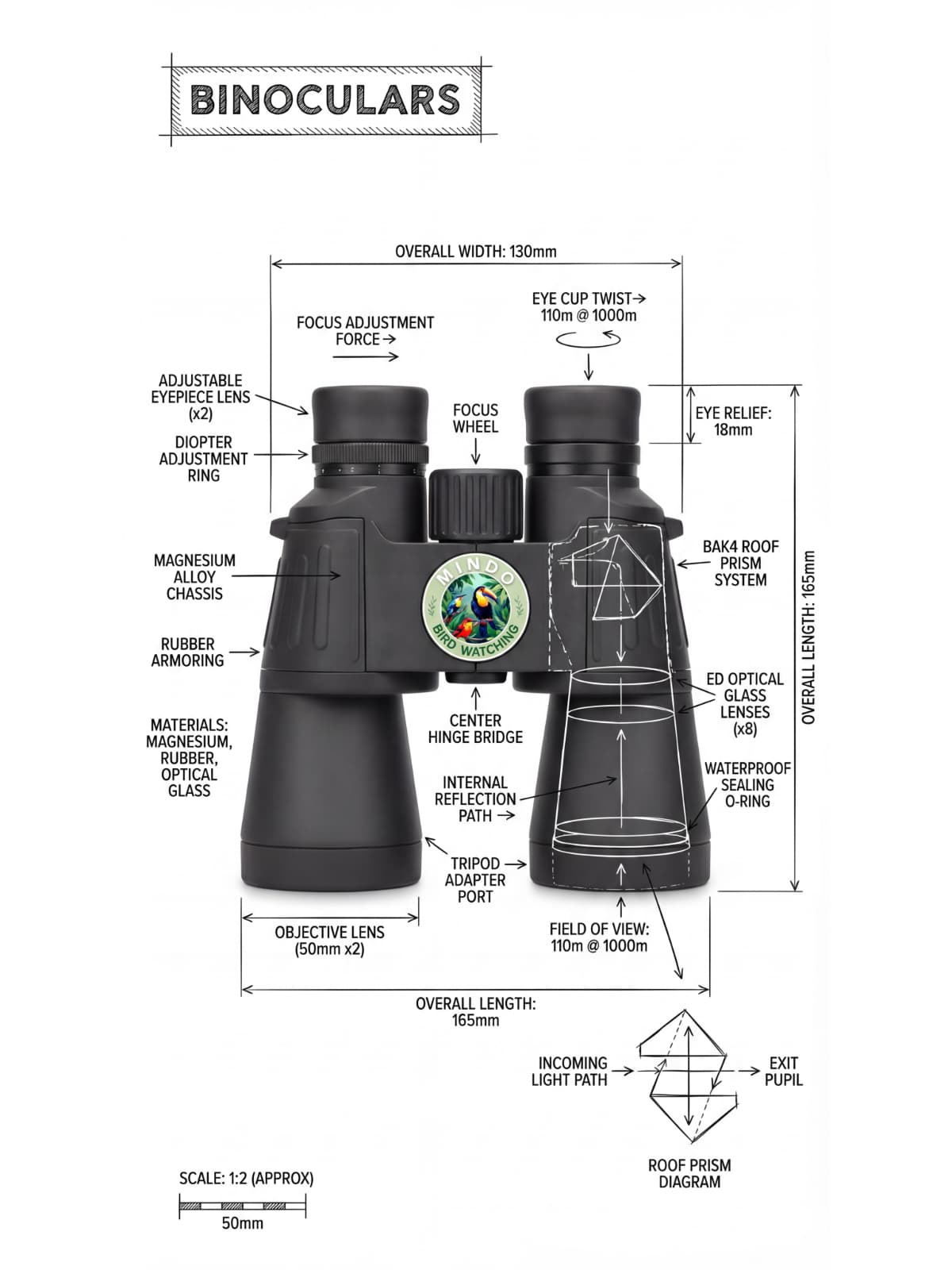
Birdwatching binoculars diagram for Mindo Ecuador
Birding binocularsThe best starting point for most guests

What equipment do tourists need in Mindo?

The right answer depends on your goal: close hummingbird viewing, cloud forest birding, distant perched birds, photography, or lightweight travel.

8x42 binoculars

The most balanced choice for most tours. They offer good light, wide field of view, and comfortable handling on trails, feeders, and forest edges.

Monocular

Useful for travelers who want something compact. It works well as a backup, though it does not replace binocular comfort during longer birding sessions.

Spotting scope

Ideal for distant birds, high perches, viewing platforms, and shared guide-led observation. It helps guests see details without getting too close.

Camera or phone

A phone adapter can help document sightings, but the priority should always be respectful viewing without stressing birds or blocking other guests.

Binoculars vs monoculars vs spotting scopes

Each tool has a different role during a birdwatching tour.

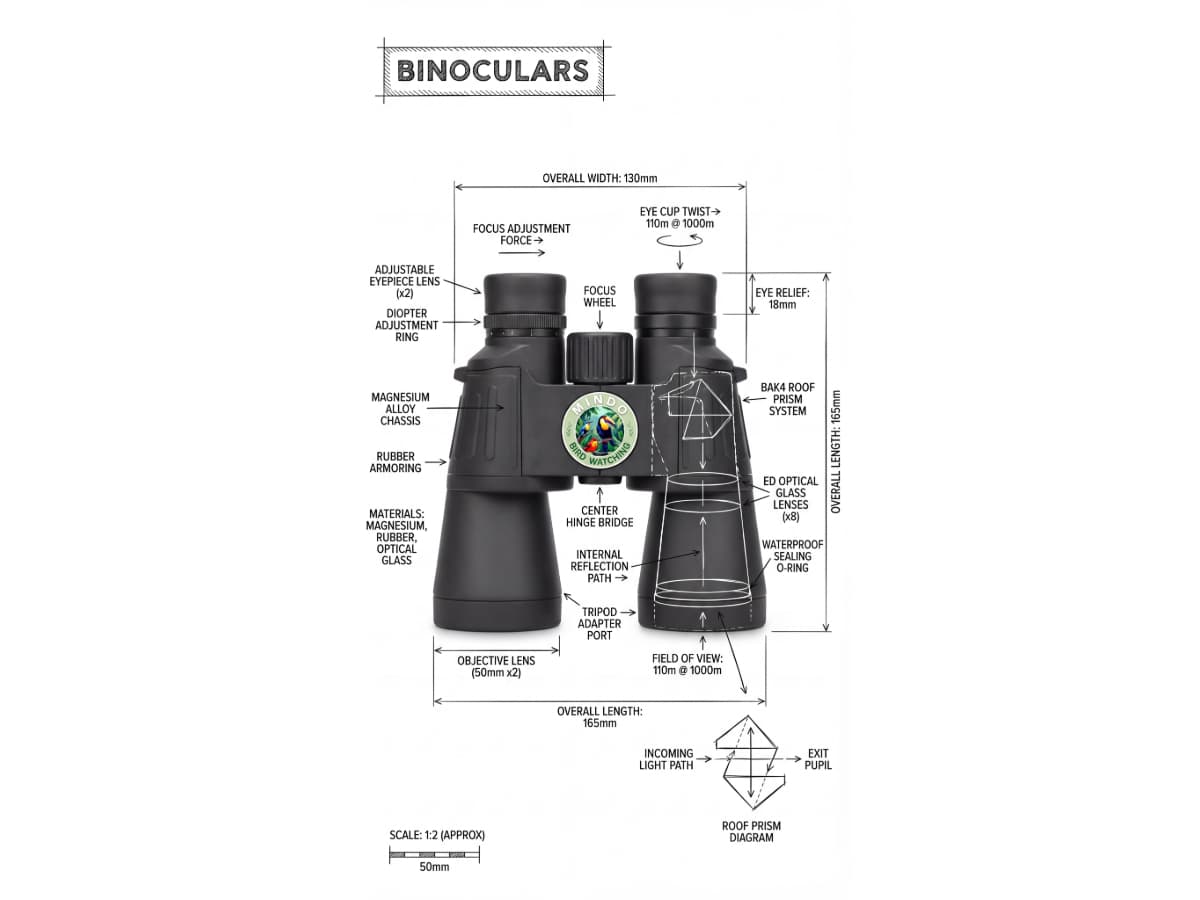
Binoculars for birdwatching in Mindo Ecuador

Binoculars

Binoculars are the main tool for most guests. For Mindo, 8x42 is often the best balance of magnification, brightness, steadiness, and comfort.

  • Great for hummingbirds, toucans, tanagers, and mixed flocks.
  • Useful in changing cloud forest light.
  • Easier for most guests than very high magnification.
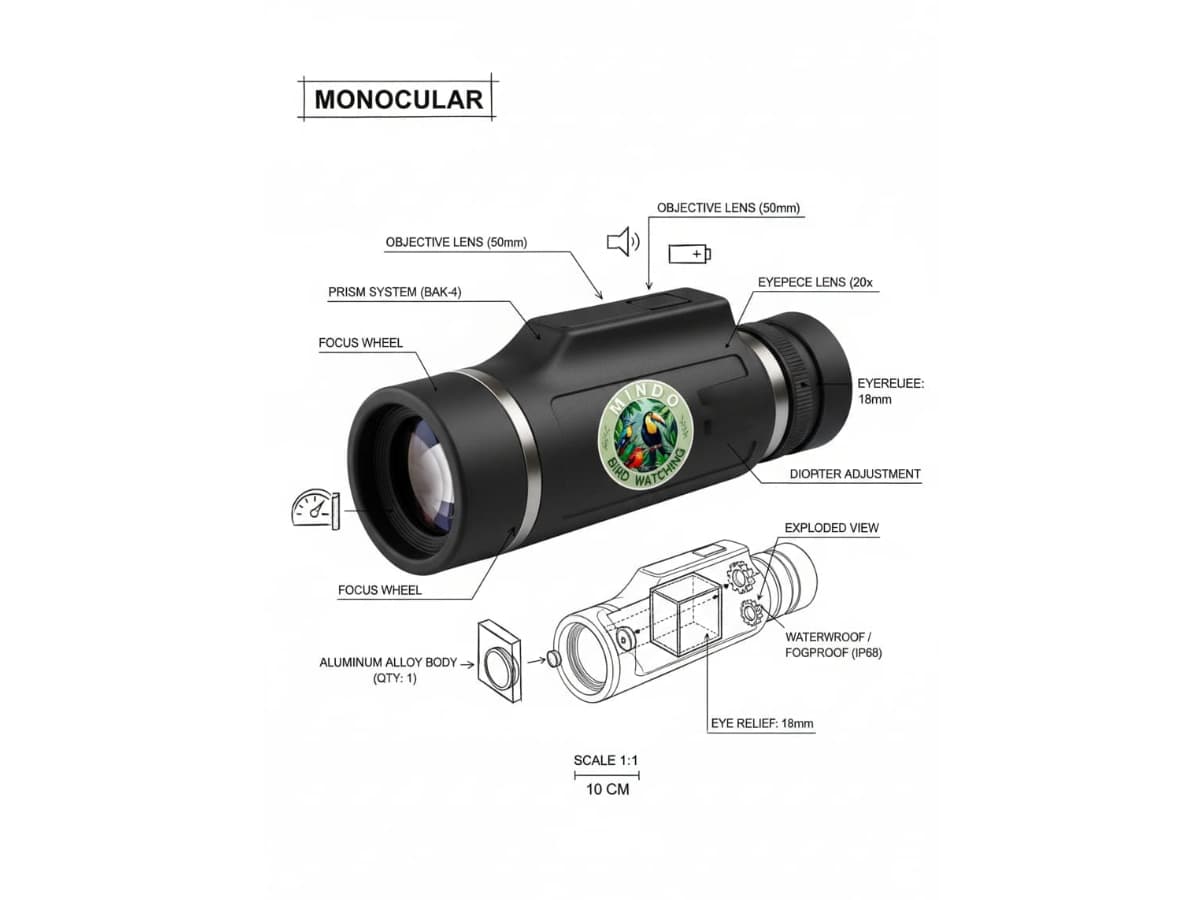
Compact monocular for lightweight travel and birding in Mindo

Monocular

A monocular can be useful for minimalist travelers, short walks, or backup viewing. It is compact and easy to pack, but less comfortable for long birding sessions.

  • Good for lightweight travel.
  • Practical as a backup optic.
  • Not ideal for extended birdwatching.
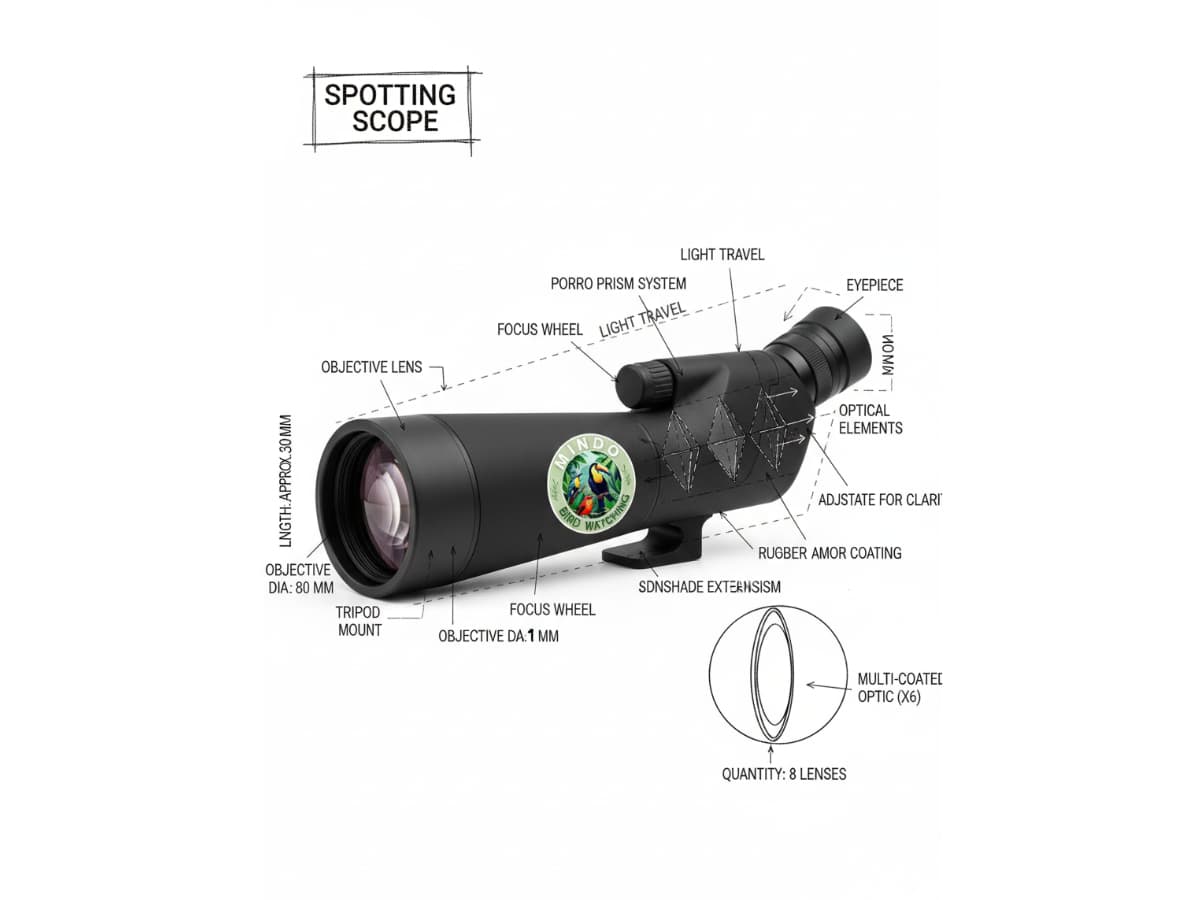
Spotting scope for distant bird observation in Ecuador

Spotting scope

A spotting scope lets guests view distant birds in more detail, especially from overlooks, open areas, and places where getting closer would disturb wildlife.

  • Excellent for shared guide-led viewing.
  • Useful for phone digiscoping when stable.
  • Best with a tripod and enough time.

Why 8x42 binoculars work well in Mindo

Cloud forest birding means shade, mist, fast movement, and birds that shift between branches, flowers, and canopy edges.

Brightness without too much shake

An 8x42 binocular is usually steadier than higher magnification models and bright enough for shaded forest trails. The 8x magnification helps guests follow moving birds, while the 42mm objective gathers useful light in forest conditions.

For guests who do not bring their own optics, we are building a small support kit for tours with 8x42 binoculars, including Celestron Outland X 8x42 models and additional 8x42 HD binoculars. Availability may vary by tour.

Specs that matter

  • BaK-4 prisms for clearer viewing.
  • Multi-coated optics for better light transmission.
  • Waterproof and fogproof design for cloud forest humidity.
  • Comfortable eye relief for guests who wear glasses.
  • Manageable weight for long walks and patient observation.

How equipment supports our birdwatching tours

Good optics help, but the real value is knowing where to look, when to pause, and how to observe without disturbing the birds.

For guests

If you book a custom private birdwatching tour, tell us whether you are bringing binoculars, a camera, or a phone adapter. We can suggest a route that fits close viewing, photography, or specific target species.

  1. You tell us your experience level and gear.
  2. We recommend the best route and timing.
  3. We pace the tour for viewing, photography, and comfort.

For equipment brands

Mindo Bird Watching hosts international travelers who use optics in real cloud forest conditions. Equipment brands interested in supporting guest experiences, field education, responsible testing, or content collaborations can contact us.

This page is not an open store or product catalog. It is an educational guide and a contact point for thoughtful equipment partnerships.

Where this gear helps most

In Mindo, the right gear improves the experience at feeders, trails, forest edges, viewpoints, and cloud forest routes.

Frequently asked questions about birding optics

Practical answers for planning your visit.

Do I need to bring my own binoculars?

If you already have comfortable binoculars, bring them. If not, tell us when you request your tour so we can confirm whether guest optics may be available.

Are 8x42 or 10x42 binoculars better?

For most guests in Mindo, 8x42 is easier to hold steady and offers a wider field of view. 10x42 can work well for experienced users.

Is a monocular enough for birdwatching?

A monocular can help with quick views or lightweight travel, but binoculars are usually more comfortable for serious birdwatching and longer tours.

When is a spotting scope useful?

A spotting scope is helpful for distant birds, shared viewing, and open viewpoints. It is not always necessary on narrow forest trails but can be valuable in the right locations.

Plan your tour with the right equipment

If you want a clearer, calmer, and more respectful birdwatching experience in Mindo, we can help you choose the right route and prepare the gear that fits your goals.