Mindo Hummingbird Species Guide

Brown Violetear in Mindo, Ecuador

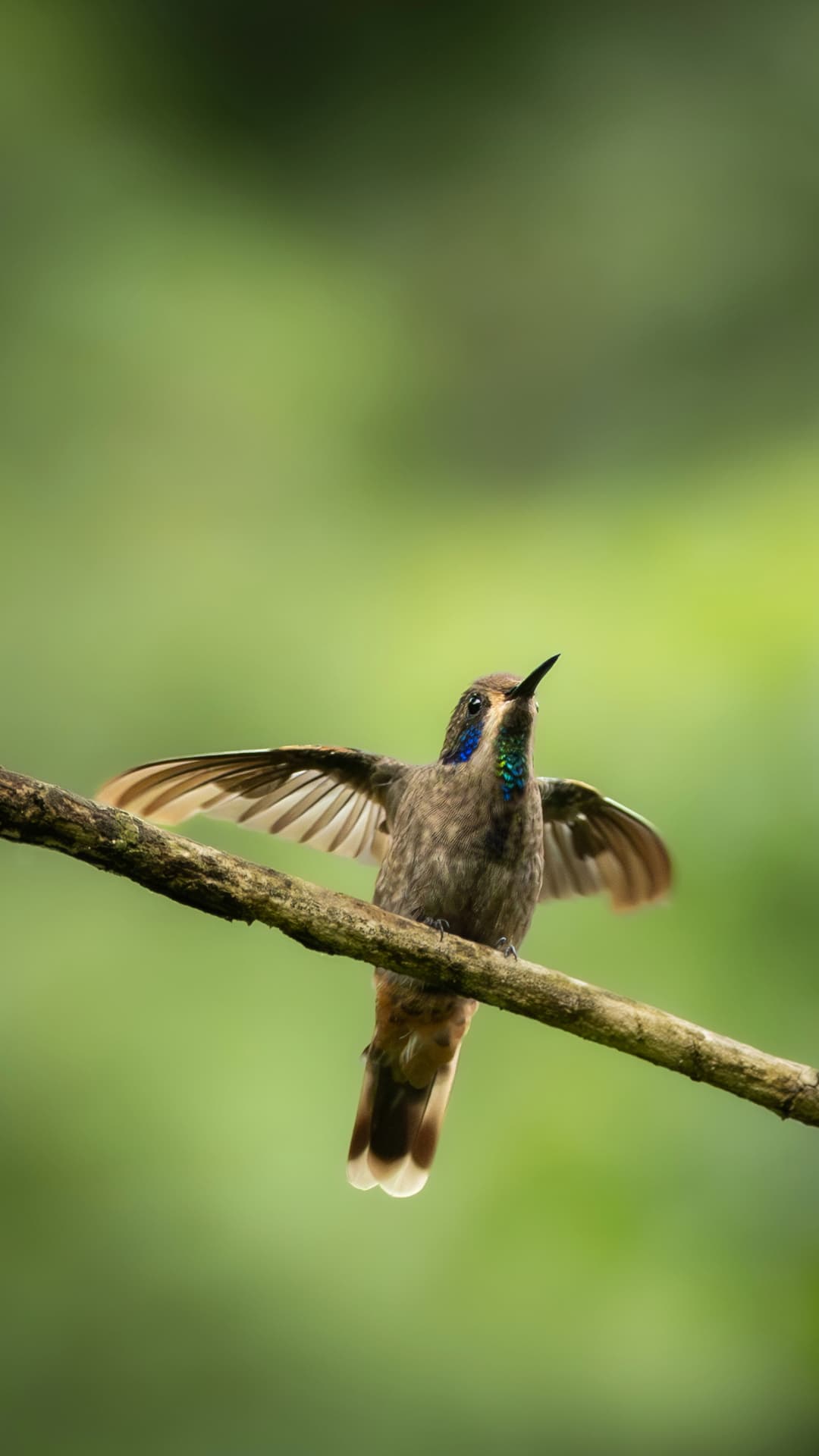
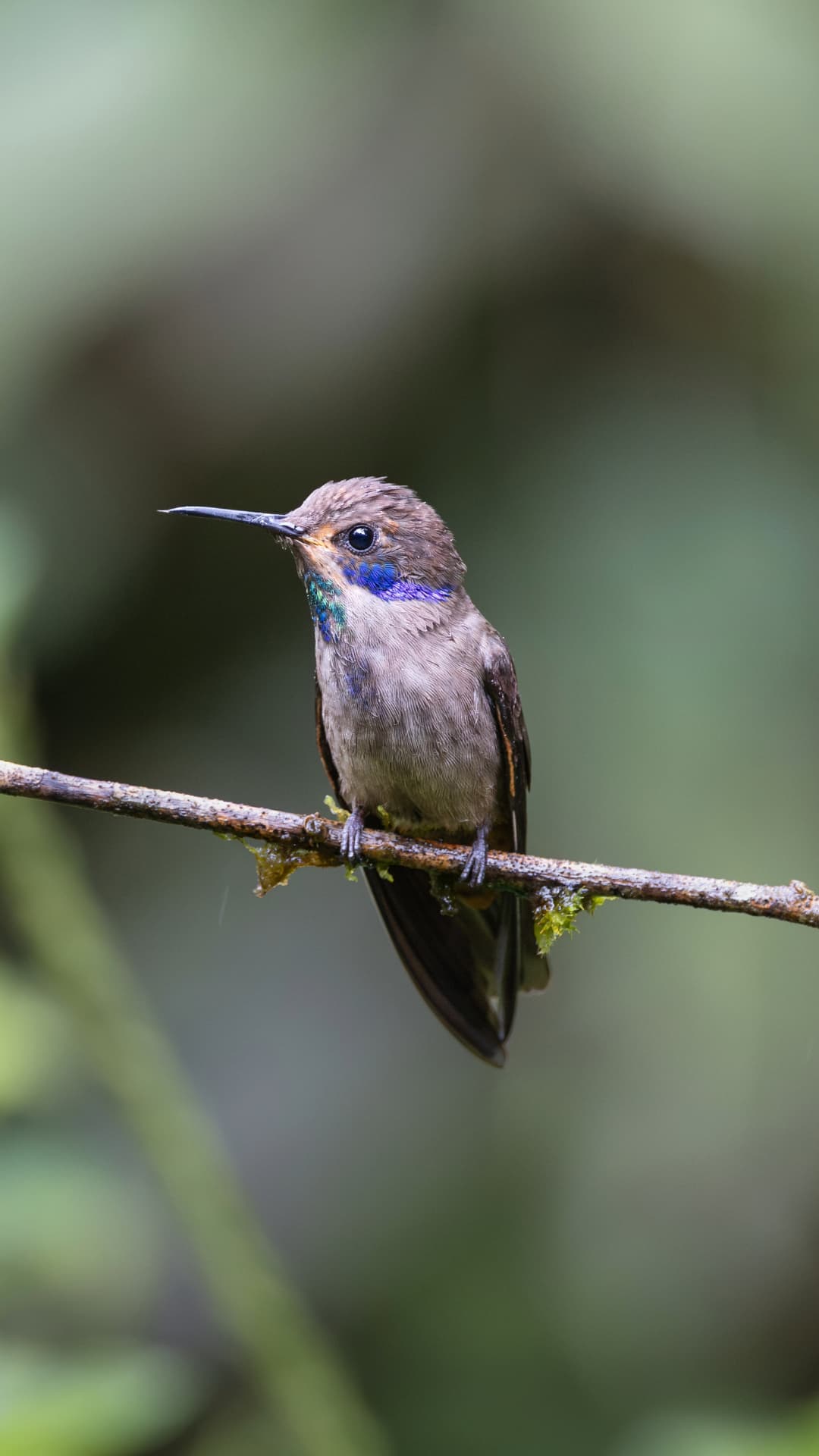
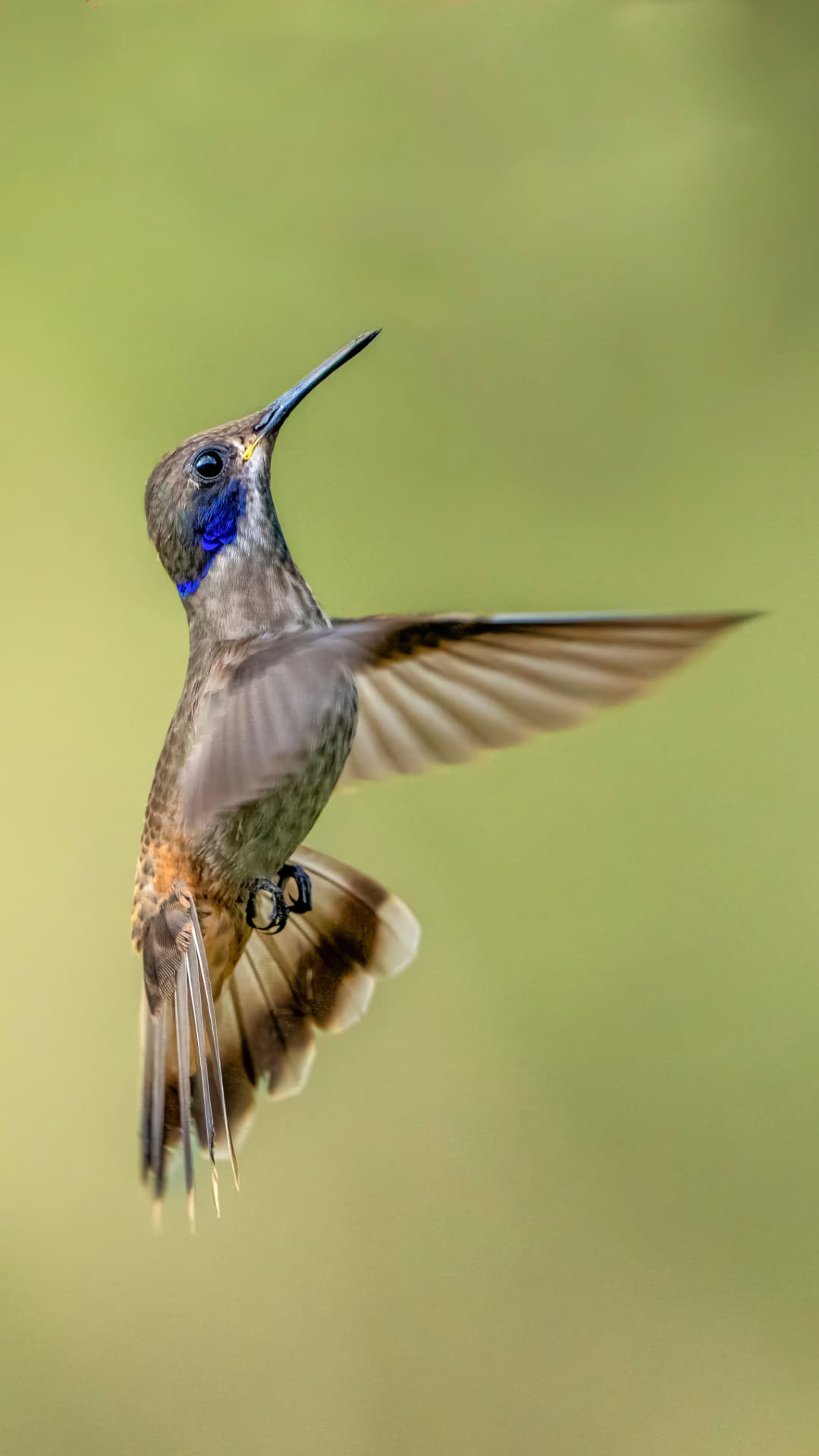
The Brown Violetear (Colibri delphinae) is a medium-to-large brown hummingbird with distinctive violet ear patches. It is associated with humid mountain forest and edges across parts of Central and South America, and around the wider Mindo region it is best treated as a flexible target influenced by elevation, flowering activity and current local conditions.

Use this guide to connect identification, habitat, photography and realistic hummingbird-route planning with other Mindo cloud-forest targets.

Distinctive violet ear patchHumid mountain forestPhotography potentialFlexible route
Quick answer: can you see the Brown Violetear in Mindo?

A realistic answer for birders planning a target-bird route.

Yes, but plan realistically

The Brown Violetear can be a realistic target in the wider Mindo region, but sightings are never guaranteed. Elevation, flowering activity, forest-edge habitat, weather, time of day and current hummingbird movement all affect where it is worth searching.

Best next step

If this violetear is important to you, share your dates, target list, birding level, photography goals and available time. A local guide can build a route around suitable elevations, productive flowers and complementary hummingbird targets.

Listen to the Brown Violetear

Learning its voice can help you recognize this mountain-forest hummingbird before it comes into view.

Bird call

Hear a Brown Violetear recording

Open the original recording on Xeno-canto for identification practice. In the forest, keep playback limited and follow your guide's ethical-birding judgment.

Listen on Xeno-canto

Recording source: Xeno-canto XC1026719. Original recording page linked above.

Brown Violetear: Video and Photos

Watch hummingbirds from Mindo and browse field photos of the Brown Violetear.

Hummingbirds of MindoA glimpse of hummingbird activity in Mindo's cloud forest.
Brown Violetear field photograph 1 near Mindo, Ecuador
Brown Violetear field photosBrowse three field images showing this hummingbird in more detail.

Why the Brown Violetear Matters in Mindo

This species connects Chocó-Andean identity, hummingbird diversity, photography and route planning.

Distinctive field marks

The overall brown plumage combined with violet ear patches gives the species a very different look from the brighter green and blue hummingbirds common around Mindo.

Montane-forest relevance

The species adds useful elevation and habitat context to a Mindo hummingbird route, especially in humid mountain forest and productive edges.

Photography potential

The violet ear patches can become striking in the right angle and light, while the subtler brown plumage rewards careful exposure and background selection.

Route-planning value

When this violetear is a priority, moving among suitable elevations and active flowering habitat is more useful than relying on one fixed stop.

Where and How to Look for the Brown Violetear

Use habitat, elevation, flowering activity and current observations rather than one fixed stop.

Habitat and elevation

Focus on humid mountain forest, edges, clearings and flowering areas at suitable elevations in the wider Mindo region.

Timing and activity

Early morning is a strong starting point, but flower availability, weather and current hummingbird traffic can matter as much as a fixed clock time.

Behavior and detection

Watch flowering patches, exposed perches and repeated feeding routes. Listening for vocal activity can also help focus attention before the bird is clearly visible.

Photography and ethics

Use a respectful working distance and natural perches or flowers. Avoid crowding active feeding areas or repeatedly pushing closer for a photo.

Private Guide or Self-Guided Violetear Search?

Choose based on how important this species is to your trip.

Self-guided can work

Independent birders can search suitable elevations and productive hummingbird sites if they understand access, habitat and how much time they can devote to waiting.

A guide improves efficiency

A local guide can react to flowering conditions, weather, elevation and recent hummingbird activity when the Brown Violetear is one of several priorities.

What Changes Your Sighting Chances?

Food, weather, time, and current local knowledge all matter.

Flowering and food

Flowering conditions can shift hummingbird activity quickly, so a productive area on one visit may be quieter on another.

Weather and light

Mist and light rain are normal in Mindo; stronger rain, wind and low light can reduce visible activity or make photography harder.

Time and patience

A longer or private route creates more room to change elevation, wait at productive flowers and combine several hummingbird targets.

Current local knowledge

Recent feeding activity, flowering zones and route conditions help determine which sites deserve the most time on a given day.

From Target List to Brown Violetear Route

A flexible plan keeps the day productive even when one target stays elusive.

1. Share your target list

Send your dates, birding level, must-see hummingbirds, photography priorities and available time before the route is set.

2. Match time to elevation

A private half-day or full-day route gives more flexibility to move between suitable elevations and productive flowering habitat.

3. Search active habitat

The guide checks flowers, perches, forest edges and current hummingbird movement rather than following a rigid stop list.

4. Keep the day rewarding

If the Brown Violetear stays elusive, the same route can remain productive for brilliants, woodnymphs, sylphs, racket-tails and other Mindo hummingbirds.

Best Tour Matches for This Species

Explore routes and planning resources that pair well with a Brown Violetear search.

Practical Planning Checklist

Use this before asking for a target-bird route.

Departure and timing

Start early when possible, but let flowering activity, cloud cover and current hummingbird movement shape the sequence of stops.

Probability

Treat the Brown Violetear as a realistic target, not a guarantee. Elevation and local flowering conditions can matter more than broad seasonal assumptions.

Equipment and photography

Binoculars help with identification; a responsive telephoto setup and careful exposure are useful for dark brown plumage and bright violet ear patches.

Pace and guide value

Expect patient observation and flexible stops. A guide adds most value when the violetear is one of several hummingbird priorities.

Brown Violetear FAQs

Quick answers for planning around the Brown Violetear.

Can you see the Brown Violetear in Mindo?

Yes. It can be a realistic target in the wider Mindo region, but sightings depend on elevation, flowering activity, habitat, weather and current hummingbird movement and are never guaranteed.

Is the Brown Violetear good for photography?

Yes. Its subtle brown plumage and bright violet ear patches can be striking, but angle, light, movement and background all influence the result.

Do I need a guide for this violetear?

Not always, but a guide is useful when the species is a priority because elevation, flowering conditions and recent hummingbird activity can change the best route.

Which tour fits this species best?

A custom private hummingbird route or full-day birding plan is usually the best fit when the Brown Violetear and photography are important goals.

Plan with a local guide

Want to look for the Brown Violetear?

Tell us your dates, birding level, hummingbird targets, photography goals and available time so we can suggest a realistic route.