Hummingbirds
Fast movement, color, close observation areas, and many opportunities to practice timing.
Yes, Mindo is good for photographers who want hummingbirds, toucans, tanagers, cloud forest textures, waterfalls, and flexible nature days near Quito. It is especially strong for bird photography when you plan around early light, rain, feeder activity, forest edges, and a guide who understands timing.
Mindo is one of Ecuador’s most practical cloud forest bases for bird and nature photography. Photographers can work with hummingbirds, toucans, tanagers, forest edges, misty landscapes, waterfalls, and changing light without needing a remote expedition. A private guide helps match subjects, timing, and pace.
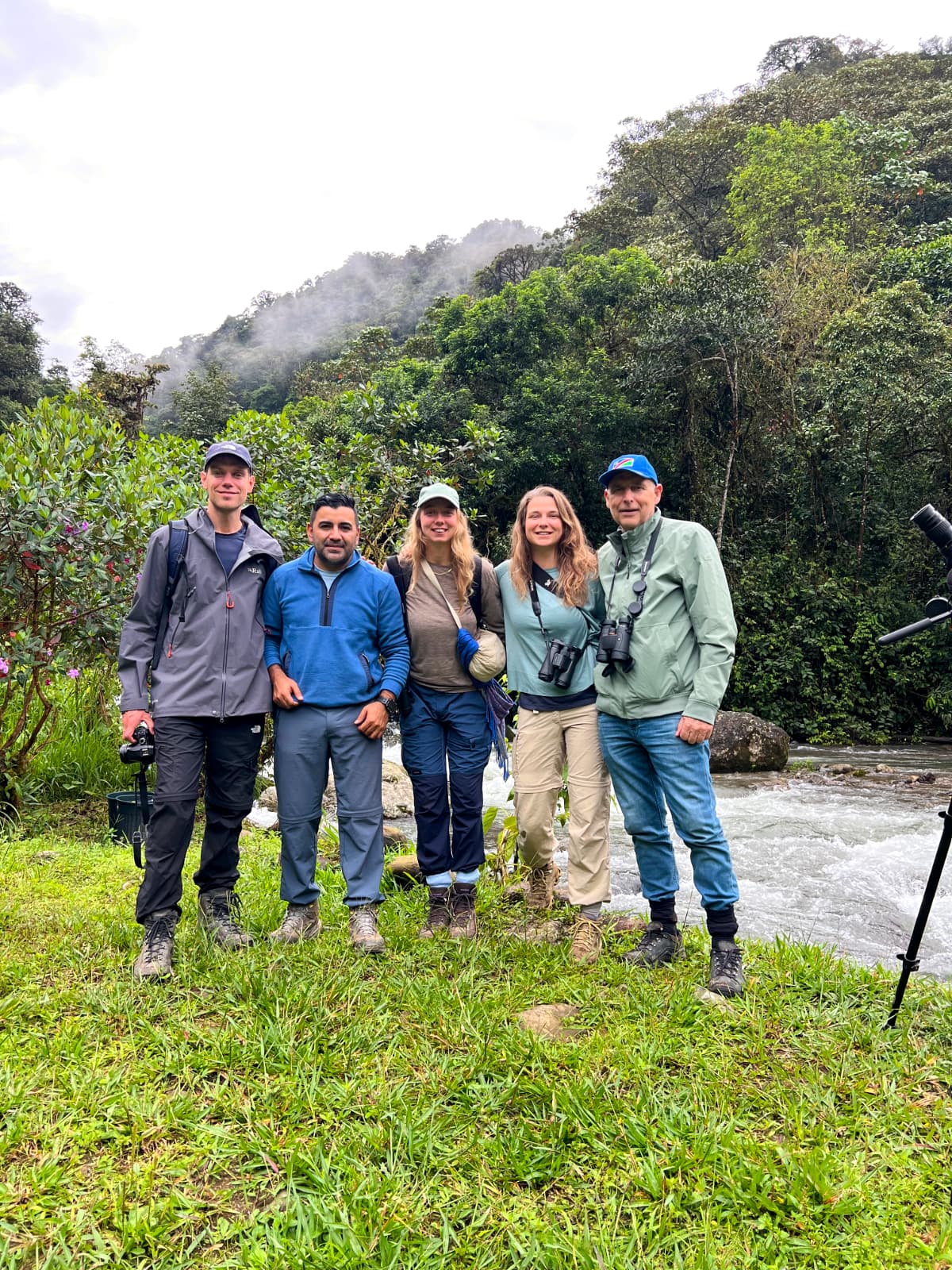
Mindo is strongest when you plan for subjects, light, access, and a pace that respects wildlife.
Hummingbirds, toucans, tanagers, forest-edge birds, and garden activity can be more accessible than in remote forest routes.
Mist, wet leaves, layered green backgrounds, moving clouds, and soft light can create images that feel different from dry highland or city scenes.
Private pacing helps photographers wait, adjust, repeat, and avoid rushing through a route built only for sightseeing.
Use these cards to match your camera time with the type of images you want.
Fast movement, color, close observation areas, and many opportunities to practice timing.
Colorful forest birds can appear around fruiting trees, edges, gardens, and guided routes.
Mist, vegetation layers, rain, waterfalls, trails, and low clouds create mood and place context.
A guide can slow the pace for light, background, behavior, and camera setup.
Mindo photography is often about timing, patience, and flexible expectations.
Early hours often give better bird activity and softer light. Rain, mist, and cloud cover can change the scene quickly, so a flexible plan is better than a rigid checklist.
If birds are the priority, avoid leaving all photography for the middle of the day.
Mindo is a cloud forest destination. Light rain, humidity, mud, and changing visibility are part of the experience.
Use dry bags, lens cloths, comfortable shoes, and a patient pace so conditions become part of the image rather than a problem.
The answer depends on whether you want a sample, a focused bird session, or a relaxed photo itinerary.
Works for travelers who want a focused introduction to Mindo, a shorter hummingbird session, or a private nature-photo stop from Quito.
Better for bird photographers, mixed nature photography, and visitors who want more than one morning in the cloud forest.
Mindo is a practical starting point for understanding Ecuador’s cloud forest photography potential.
Mindo is useful because it combines accessible birding, cloud forest atmosphere, and local guide knowledge in one destination. For photographers, that means more than a species list. It means understanding where light falls, when birds become active, how rain changes a trail, and when to wait instead of moving too quickly.
It also helps connect a broader Ecuador birding trip with practical images: hummingbirds at close range, toucans in habitat, tanagers in mixed flocks, waterfalls, forest edges, and the Chocó Andino context behind the destination.
Continue with same-language planning pages that support routes, subjects, and guided options.
Short answers for photographers deciding how to plan Mindo.
Yes. Mindo is strong for hummingbirds, toucans, tanagers, cloud forest mood, waterfalls, and slower nature photography near Quito.
Early morning is usually best for bird activity and softer light. Cloud forest conditions can change quickly, so flexibility helps.
A guide is not required, but private guidance helps with timing, route choice, bird behavior, and a slower pace for photography.
Bring rain protection, lens cloths, comfortable shoes, spare batteries, memory cards, and binoculars if you also want to watch birds.
Yes. Hummingbirds, gardens, forest edges, and private pacing make Mindo useful for both beginner and experienced photographers.
A half-day can work for a focused garden or feeder session, while a full day gives more flexibility for light, weather, habitats, and target birds.
Tell us your dates, camera interests, target species, experience level, and available time. We will help you choose a realistic photography route and pace.