Mindo Aracari Field Guide

Pale-mandibled Aracari in Mindo, Ecuador

The Pale-mandibled Aracari (Pteroglossus erythropygius) is a colorful toucan-family bird of western Ecuador. Around Mindo, it is best approached as a flexible forest target whose location can shift with elevation, fruiting activity, weather and recent observations.

Use this guide to connect identification and real field media with realistic route planning and a private target-bird itinerary.

Toucan-family targetWestern EcuadorPhotography potentialFlexible route

Quick answer: can you see the Pale-mandibled Aracari in Mindo?

A realistic answer for birders planning a target-bird route.

Yes, but plan realistically

The Pale-mandibled Aracari is a possible and memorable target in the wider Mindo and northwest Ecuador region. Your chances depend on elevation, forest condition, weather, fruiting trees, calling activity, group movement, and how flexible your route is.

Best next step

If this species is important to you, share your dates, birding level, target list, photography goals, and available time. A local guide can recommend whether a custom private route, toucan-focused route, half-day, or full-day plan fits best.

Listen to the Pale-mandibled Aracari

Learning its voice can help you recognize this western Ecuador toucan-family bird before it comes into view.

Bird call

Hear Pale-mandibled Aracari recordings

Open the eBird Media catalog to compare available audio recordings for identification practice. In the forest, keep playback limited and follow your guide's ethical-birding judgment.

Listen on eBird

Audio source: eBird Media catalog for Pale-mandibled Aracari.

Pale-mandibled Aracari: Photos and Videos

Three supplied portrait images and four vertical field Shorts in the approved 9:16 media pattern.

Four supplied field ShortsSwipe or use the arrows, dots, or keyboard to move through the four vertical field clips.
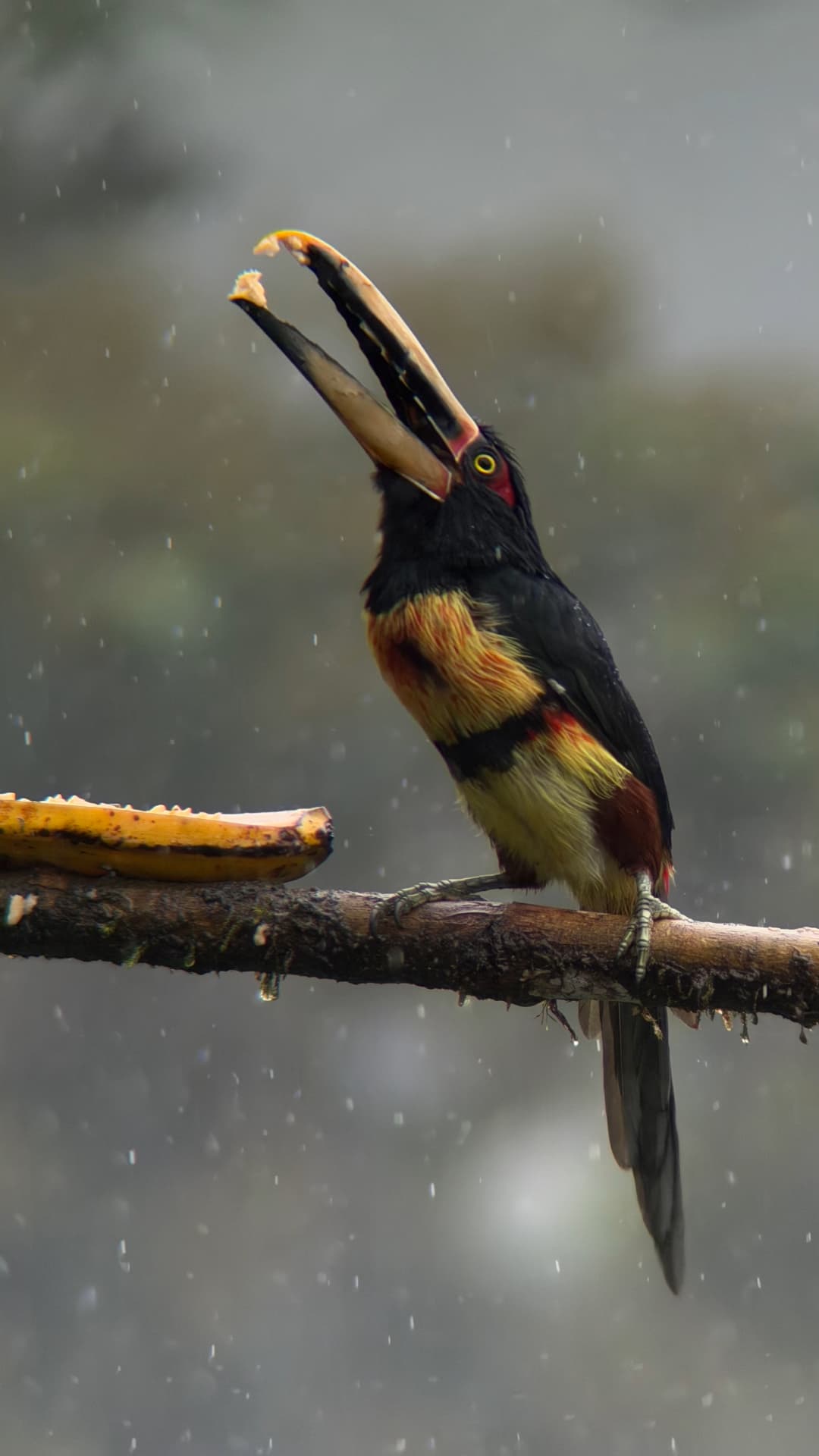
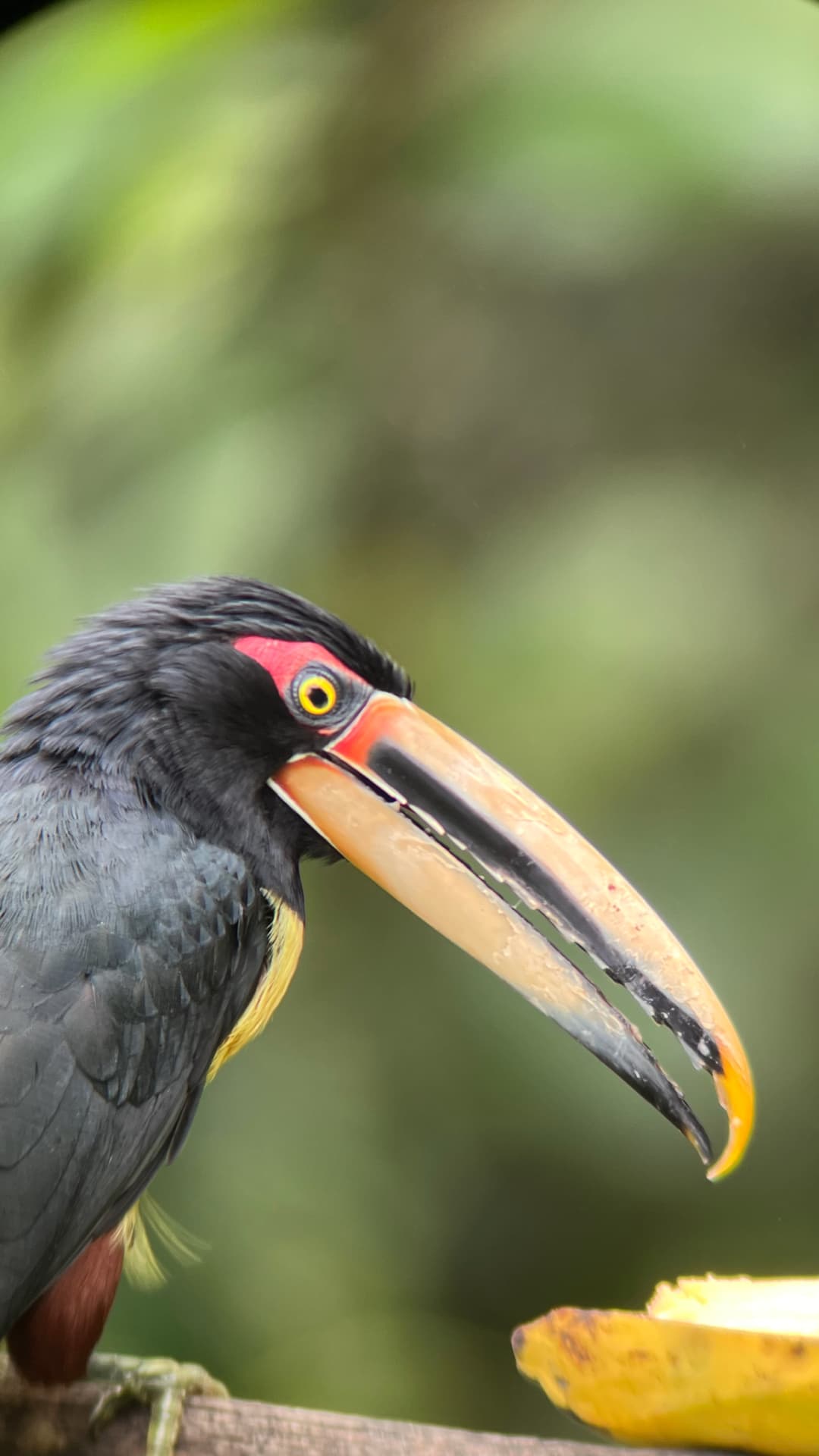
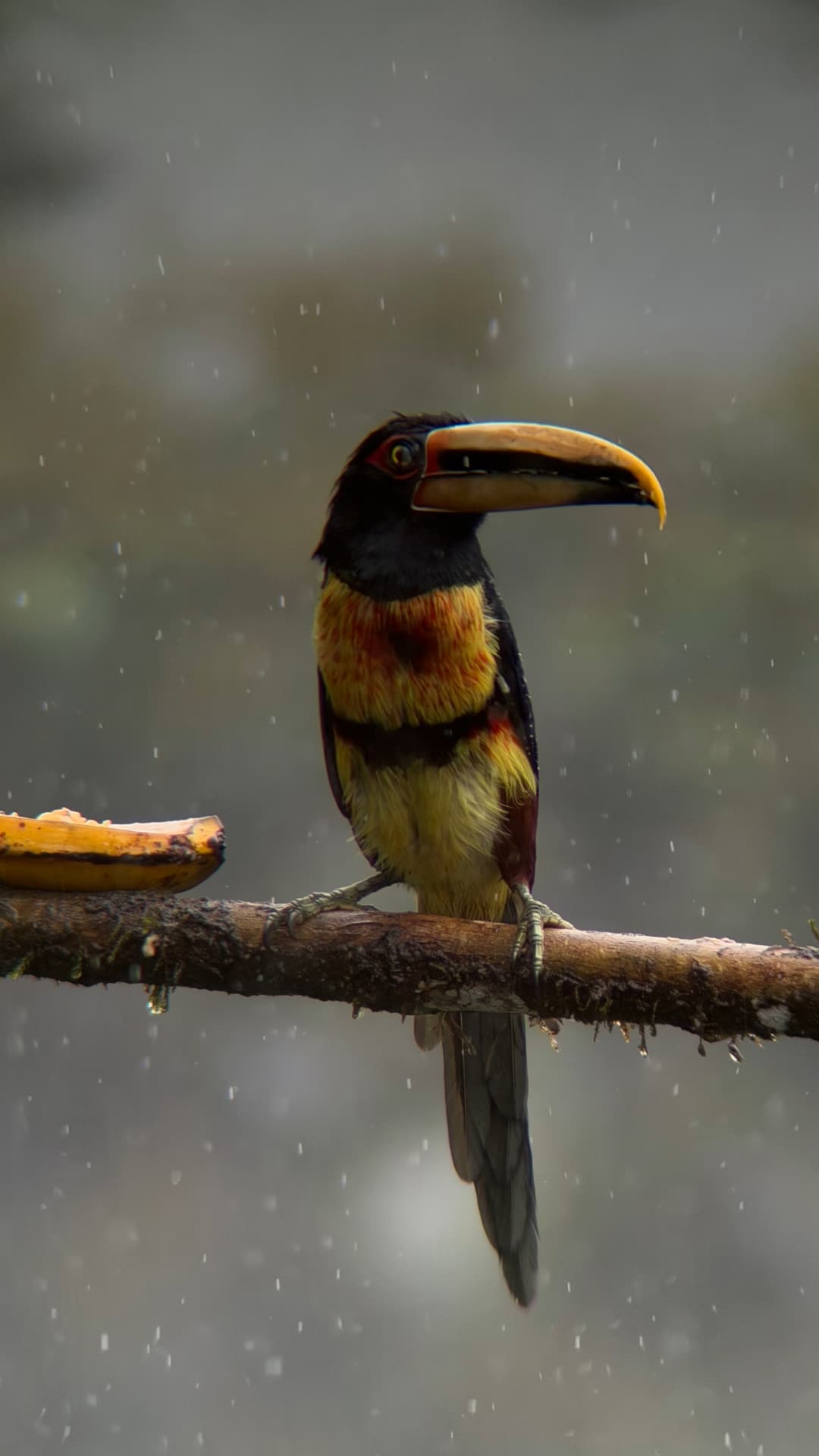
Pale-mandibled Aracari field photograph 1 near Mindo, Ecuador
Three-slide field galleryThe contain-fit viewport preserves every supplied frame without cropping.

Why the Pale-mandibled Aracari Matters in Mindo

This species connects regional identity, habitat, photography, and trip planning.

Memorable field character

Its colorful plumage, long bill, and social feeding behavior make it one of the more distinctive toucan-family targets in western Ecuador.

Western Ecuador signal

It helps visitors understand how Mindo connects to the humid forests and fruiting-tree systems of western Ecuador.

Photography appeal

Open canopy edges and fruiting trees can create strong opportunities for bill detail, group behavior, and clean environmental portraits.

Route planning value

If this aracari is a priority, a flexible route is stronger than relying on one fixed tree or viewpoint.

Where and How to Look for It

Focus on habitat, fruiting activity, timing, and current local observations.

Best habitat pattern

Look around humid forest, secondary forest, wooded edges, and productive fruiting areas at suitable western-Andean elevations.

Best time of day

Early morning is a strong starting point, but current fruiting activity and group movement can matter as much as the clock.

Photography approach

Use patience, a long lens, and clean sight lines. Let birds settle at productive trees instead of pushing for a closer position.

Route combination

An aracari search can pair naturally with other toucans, barbets, tanagers, hummingbirds, and broader Mindo birdwatching.

Private Guide or Self-Guided Aracari Visit?

Choose based on how important this species is to your trip.

Self-guided works if...

You mainly want a relaxed forest visit, have flexible expectations, and are comfortable arranging access, timing, transport, and elevation changes yourself.

Choose a private guide if...

You want help with target species, fruiting-tree activity, photography timing, changing conditions, and a realistic route from Quito or Mindo.

What Changes Your Sighting Chances?

Food, weather, time, and current local knowledge all matter.

Food and fruiting activity

Fruit availability can move aracaris between sites quickly, so a productive tree can change from one visit to the next.

Weather and visibility

Mist and light rain are normal; heavier rain and poor visibility can reduce detection and photography.

Time and flexibility

A longer or private route creates room to adjust elevation and habitat instead of waiting too long at one unproductive stop.

Current local knowledge

Recent calls, feeding activity, fruiting trees, and route observations help a guide decide where to invest the morning.

From Target List to Aracari Route

A flexible plan keeps the day productive even when one target stays elusive.

1. Share your targets

Send your dates, birding level, must-see species, and photography priorities before the route is set.

2. Choose enough time

A full-day or custom route gives more room to change elevation and combine the aracari with other toucan-family targets.

3. Search active habitat

The guide checks fruiting trees, canopy movement, calls, and recent activity instead of following a rigid stop list.

4. Build a broader day

If the aracari stays elusive, the same route can remain productive for toucans, barbets, tanagers, hummingbirds, and mixed flocks.

Best Tour Matches for This Species

Same-language links that turn aracari interest into a realistic route.

Practical Planning Checklist

Use this before asking for a target-bird route.

Best start

Plan around morning activity and keep the route flexible for weather, fruiting trees, forest conditions, and recent movement.

What to bring

Bring binoculars, camera gear if relevant, rain protection, comfortable shoes, and patience for canopy birds.

Guide value

A local guide can connect fruiting activity, bird behavior, route timing, elevation, and photography position.

Expectation

Treat the species as a realistic target possibility, not a guarantee. Build a route that stays rewarding if activity shifts.

Pale-mandibled Aracari FAQs

Quick answers for aracari-focused planning.

Can you see the Pale-mandibled Aracari in Mindo?

Yes. It can be a realistic Mindo-region target, but sightings depend on habitat, fruiting activity, weather, elevation, and current bird movement and are never guaranteed.

Is the Pale-mandibled Aracari good for photography?

Yes, especially when birds pause at fruiting trees or open canopy edges. Distance and light vary, so a long lens or scope-assisted phone setup is useful.

Do I need a guide for this aracari?

Not always, but a guide is recommended when the species is a priority because local fruiting activity, elevation, and recent observations can change the best route.

Which tour fits this species best?

A custom private tour, toucan-focused route, or full-day birding plan is usually the best fit when this aracari and photography are central goals.
Plan with a local guide

Want to look for the Pale-mandibled Aracari?

Tell us your dates, birding level, photography goals, and whether this aracari is your main target or part of a wider toucan and cloud-forest birding day.