Same species
Andean bear and spectacled bear are two names for Tremarctos ornatus.
Learn what the Andean bear is, where responsible searches take place, what affects sighting chances, and how to combine a private bear experience with birding in Mindo.
Mindo is a pickup and birding-combo base. The principal bear-search areas for these private experiences are Antisana and Cayambe-Coca.
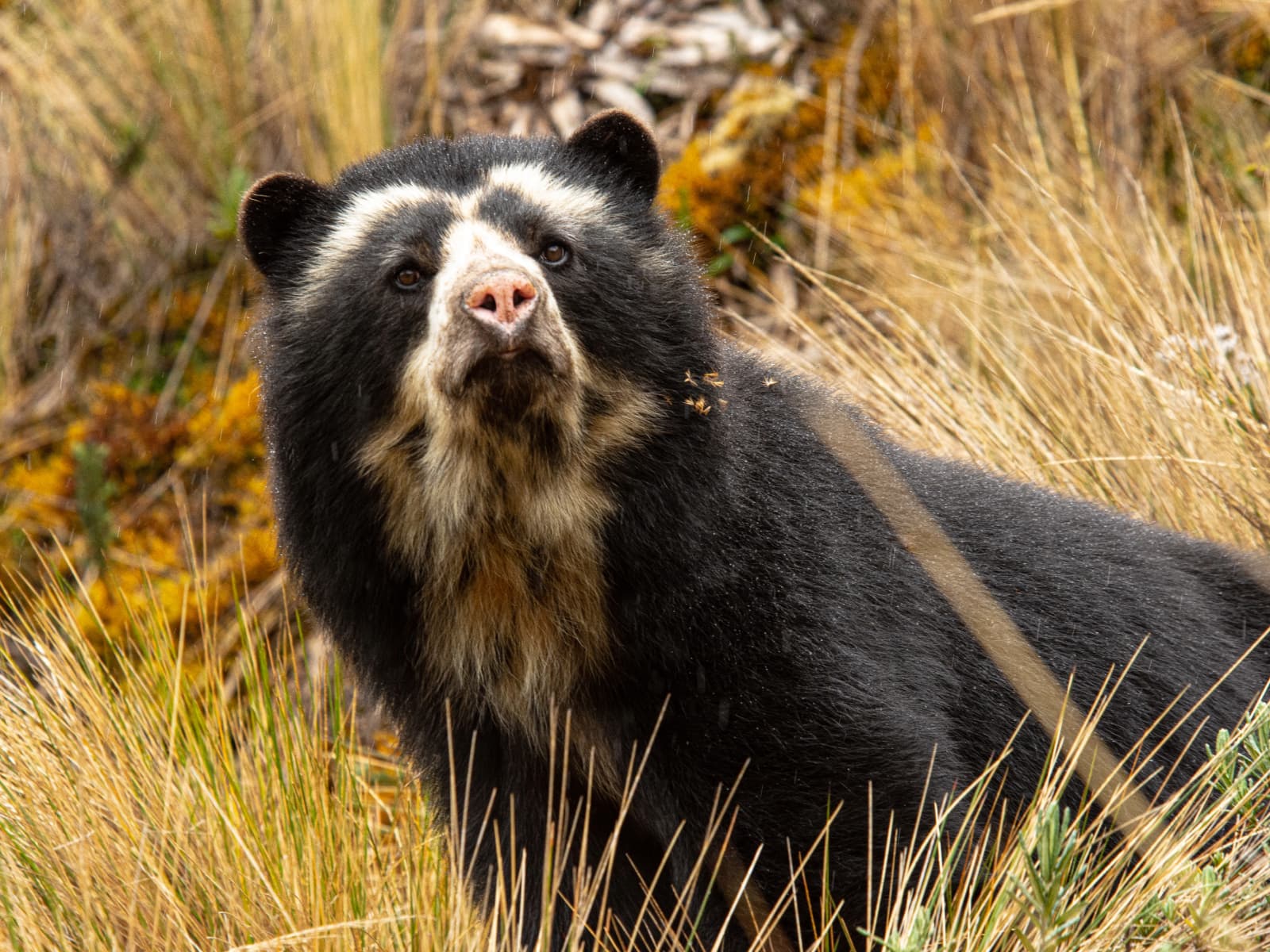
For Mindo Bird Watching's private experiences, the guide evaluates Antisana and Cayambe-Coca close to the tour date. The final route depends on recent activity, access, weather, visibility and your pickup plan. No ethical operator can guarantee a wild bear sighting.
Andean bear and spectacled bear are two names for Tremarctos ornatus.
The species uses cloud forest, montane forest and adjoining páramo landscapes.
Fruits, bromeliads, palms and other vegetation form much of its diet.
The species is classified as Vulnerable and depends on connected Andean habitat.
The guide chooses the strongest route from current field information rather than promising one fixed reserve.
High-Andean scenery with potential secondary opportunities for Andean Condors, deer and raptors. It is selected when current activity, access and visibility support the route.
A different combination of cloud forest and high-Andean habitat. It may be favored when current reports, weather and travel logistics support the search.
Reports, tracks, feeding signs and guide scouting.
Cloud, wind, rain, road access and visibility.
Half day or full day, Quito or Mindo pickup and onward transfer.
The guide may change plans rather than force an unsuitable route.
A 6:00 AM departure protects useful field time and allows route changes.
Binoculars and a spotting scope support patient scanning without disturbance.
A full day offers more opportunity to wait, relocate or respond to weather.
A local guide improves preparation and route choice, not certainty.
Andean bears can climb trees and may use platforms for feeding or resting.
Cream-colored facial markings vary by individual and may look like partial or complete spectacles.
Adults are generally encountered alone, except for mothers with cubs or temporary food concentrations.
Movement is shaped more by food, weather, reproduction and disturbance than by winter dormancy.
Explore wildlife that may be encountered across Ecuador's high-Andean landscapes, including spectacled bears, hummingbirds and the Andean fox.
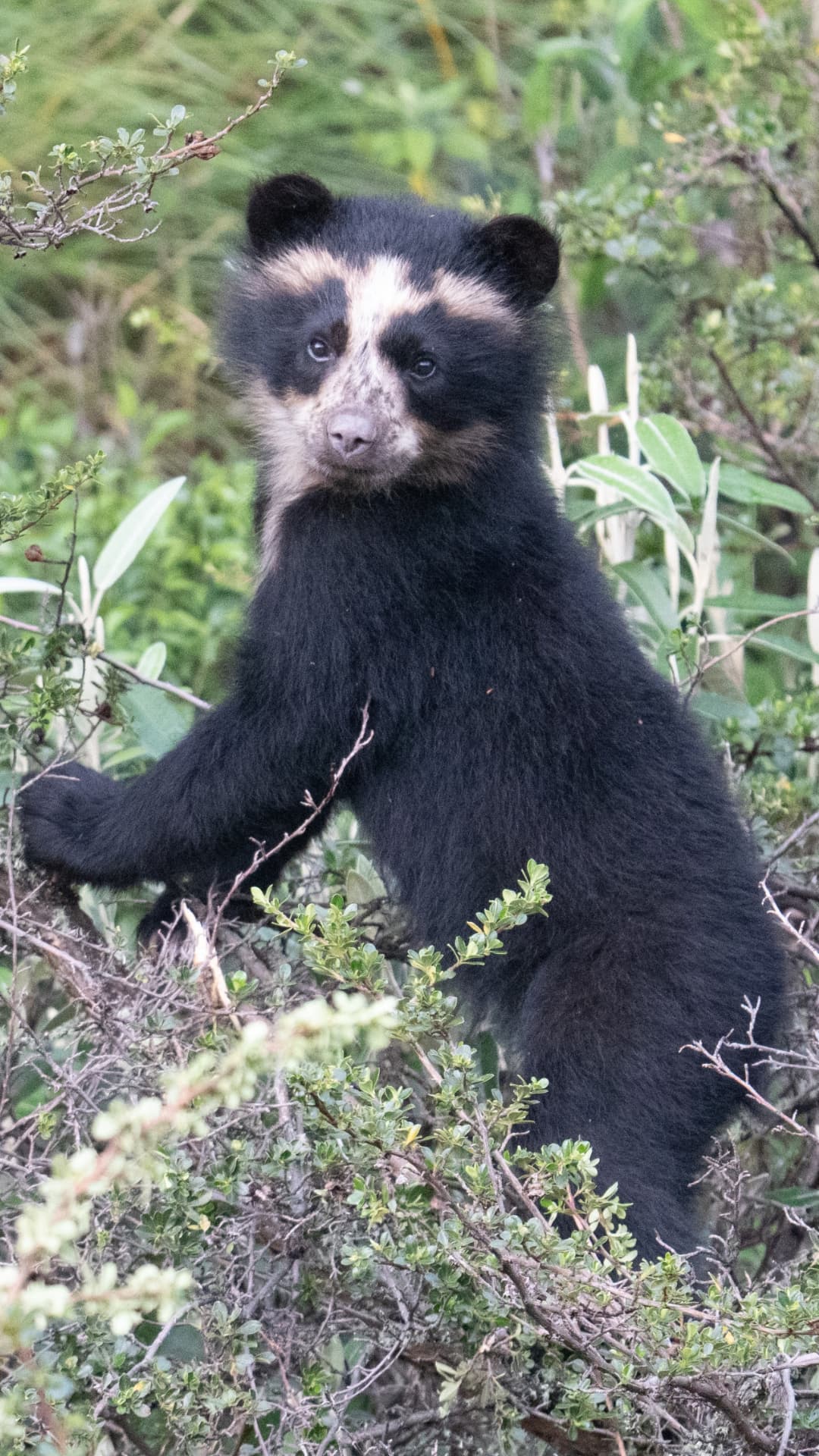
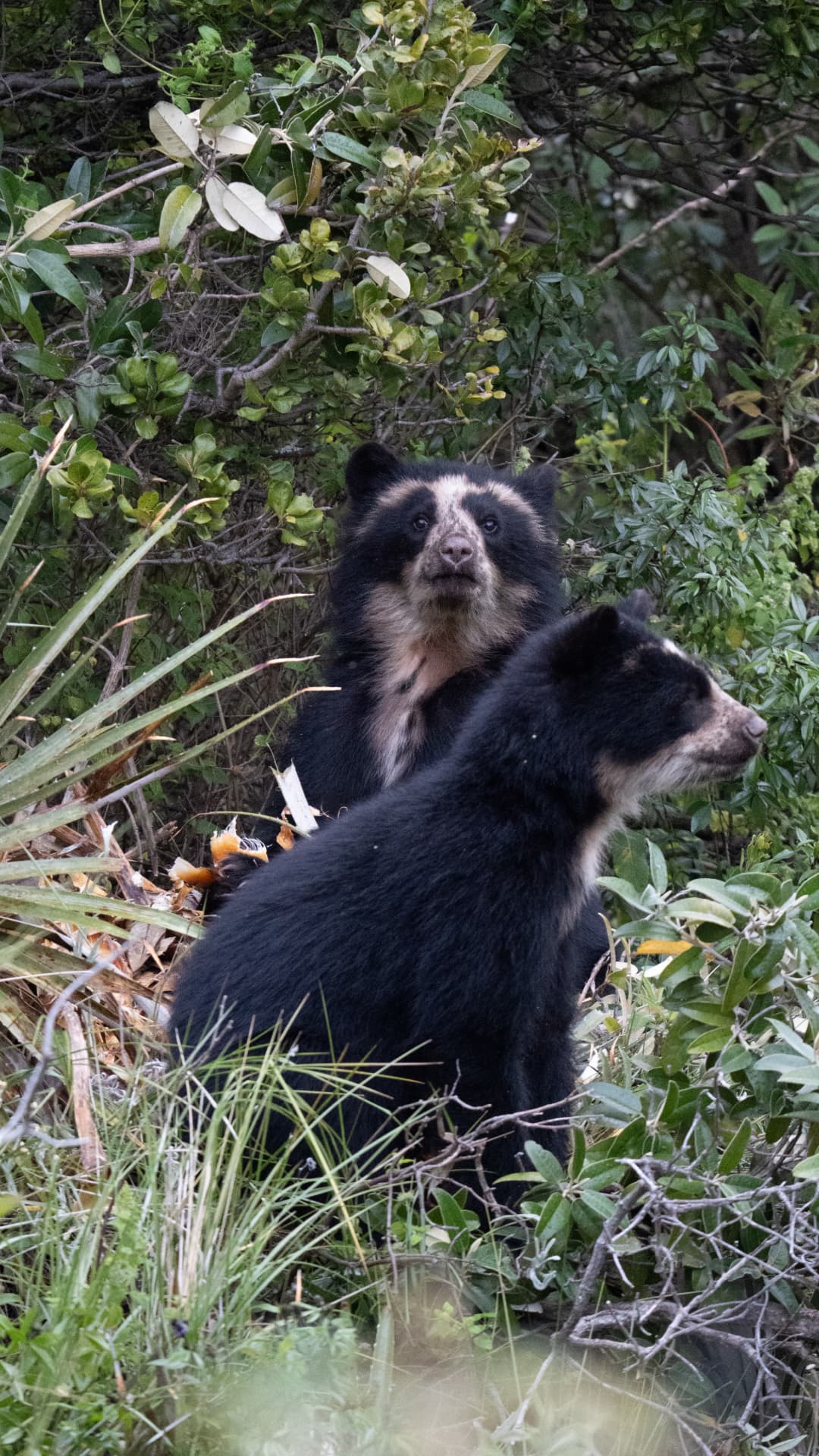
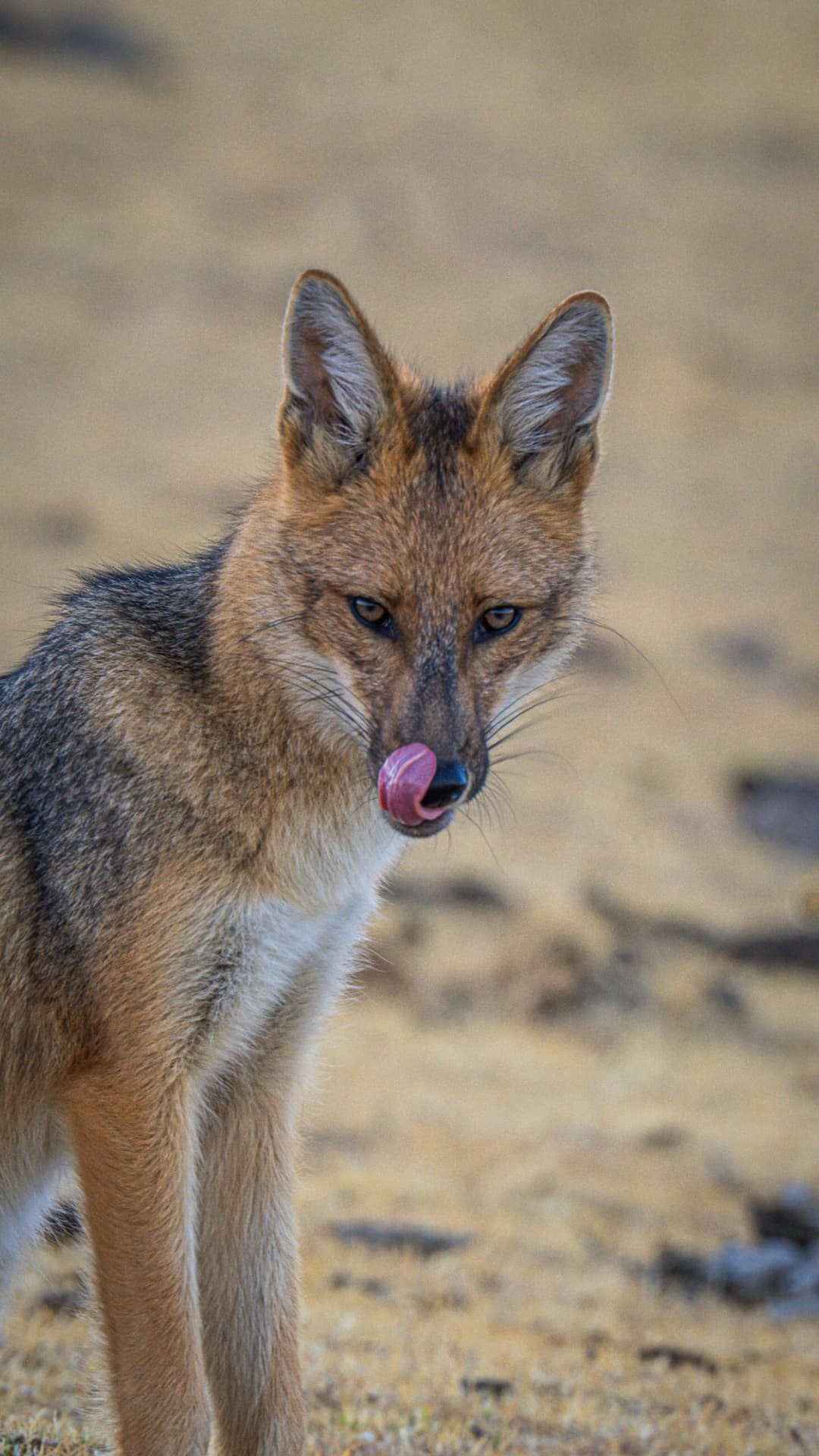
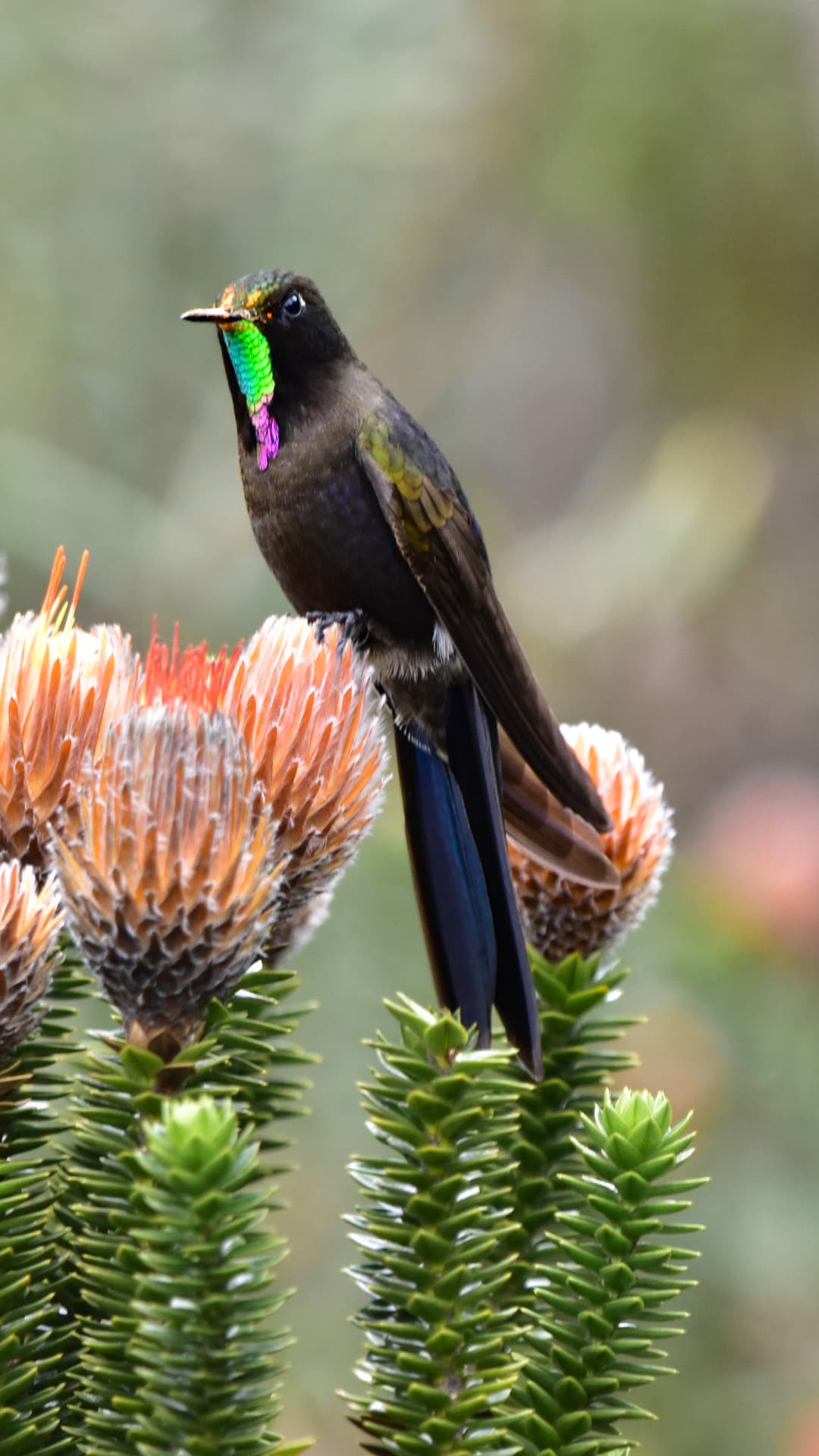
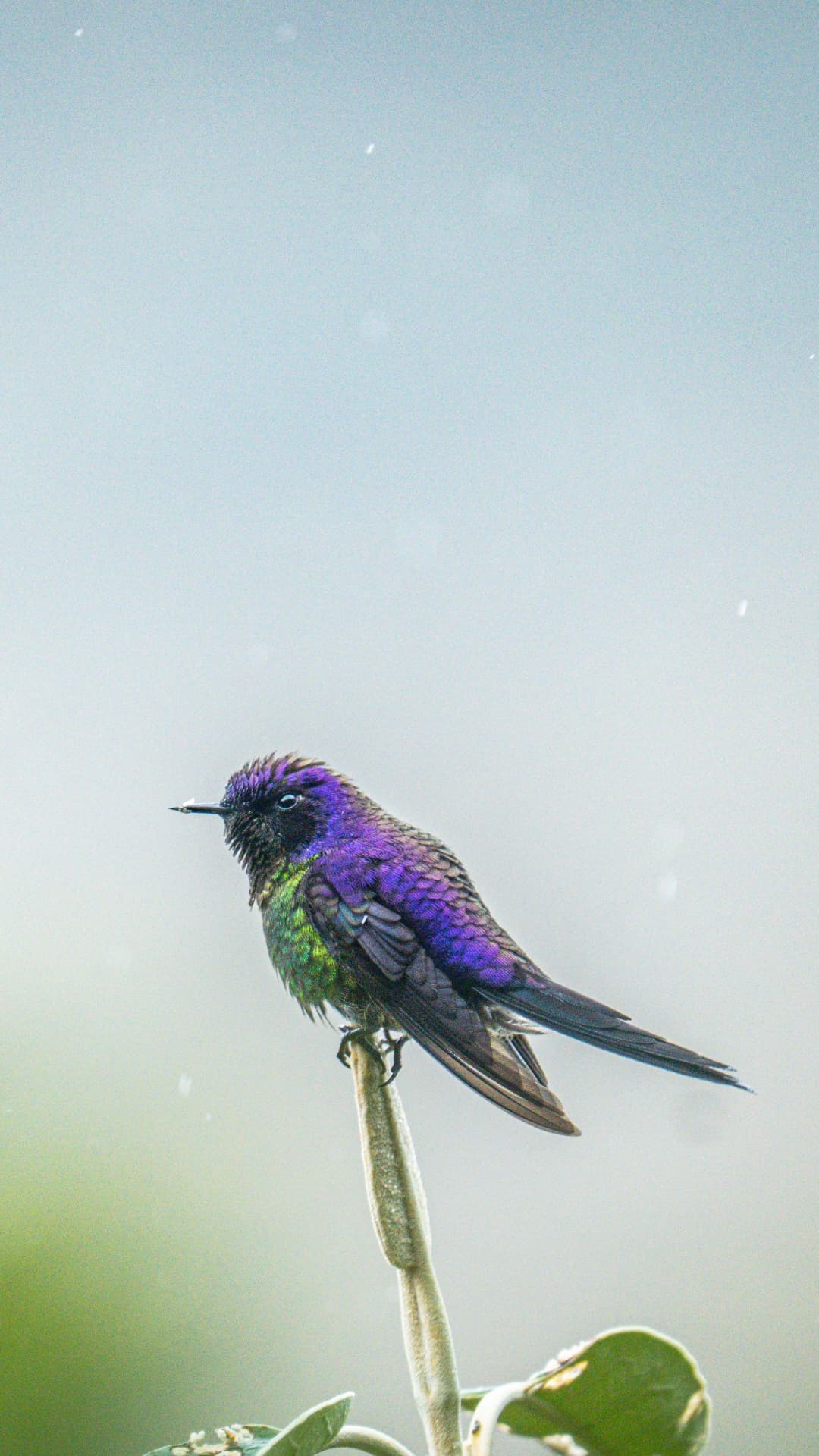
Observe through optics. Never approach, surround or block a travel route.
Food conditioning can create conflict and harm bears and communities.
Small private groups, quiet scanning and limited time at a sighting reduce stress.
Avoid sharing exact locations in ways that encourage crowding or chasing.
Match the tour structure to your available time, wildlife priorities and transfer plans.
A focused option for limited time, a transfer day or a first high-Andean wildlife experience.
Recommended for patient observers and photographers who want more time for route adjustments.
One Mindo cloud-forest birding day plus one separate bear and high-Andean wildlife day.
Early pickup and return to Quito after the selected tour.
Depart from Mindo and return after the wildlife day.
Use the bear day as a private transfer toward Quito.
Continue to Mindo after the bear and wildlife experience.
Especially relevant around Antisana, depending on route and conditions.
Flowering areas and travel stops can add birding opportunities.
Open slopes may produce deer or other unexpected mammal activity.
Caracaras, hawks and other high-Andean birds may reward patient scanning.
Key species and conservation statements were checked against recognized conservation sources.
For Mindo Bird Watching's private experiences, the principal field areas are Antisana and Cayambe-Coca. The guide chooses the route near the tour date according to recent activity, access, weather, visibility and pickup logistics. Mindo can be a pickup or birding-combo base, but it is not presented as the main bear habitat for these departures.
Yes. Andean bear and spectacled bear are common names for Tremarctos ornatus, the only living bear species native to South America. The word spectacled refers to pale facial markings that vary greatly between individuals and may not form complete rings.
No. Spectacled bears are shy, wide-ranging wild animals. A local guide can improve route selection and observation strategy, but no ethical operator can guarantee a bear or any other wildlife sighting.
Across the tropical Andes, spectacled bears use a broad range of mountain habitats, especially cloud forest, montane forest and adjoining high-elevation grasslands or páramo. Food availability, seasonal movement, human pressure and landscape connectivity influence where they are active.
There is no fixed answer. Antisana may also support strong high-Andean wildlife opportunities, including condors and deer, while Cayambe-Coca offers different cloud-forest and mountain habitat. The practical choice depends on current field conditions and logistics.
Yes. A useful two-day plan is one private birding day in Mindo followed by a separate bear and high-Andean wildlife day. Pickup, drop-off and the order of the days can be adjusted around Quito and Mindo.
Share your dates, pickup and drop-off locations, group size, preferred duration and interest in birding or photography. We will recommend the most practical format without promising a sighting.