Mindo and Chocó Andino
Hummingbirds, toucans, tanagers, mixed flocks, cloud forest trails, and photography-friendly routes.
Plan Mindo birdingEcuador is one of the world’s richest countries for birds, with cloud forest, Andean, Amazonian, coastal, and Galapagos habitats. For many travelers, Mindo is the most practical place to start because it combines Chocó Andino biodiversity, accessible routes, hummingbirds, toucans, tanagers, and local guide support.
Ecuador is exceptional for birdwatching because a small country contains many habitats: cloud forest, Andes, Amazon, coast, and Galapagos. Mindo is one of the easiest gateways for visitors who want colorful birds, photography opportunities, and guided cloud forest birding without needing a complex expedition.
Short distances connect very different bird habitats, which is why Ecuador works for first trips and serious birding.
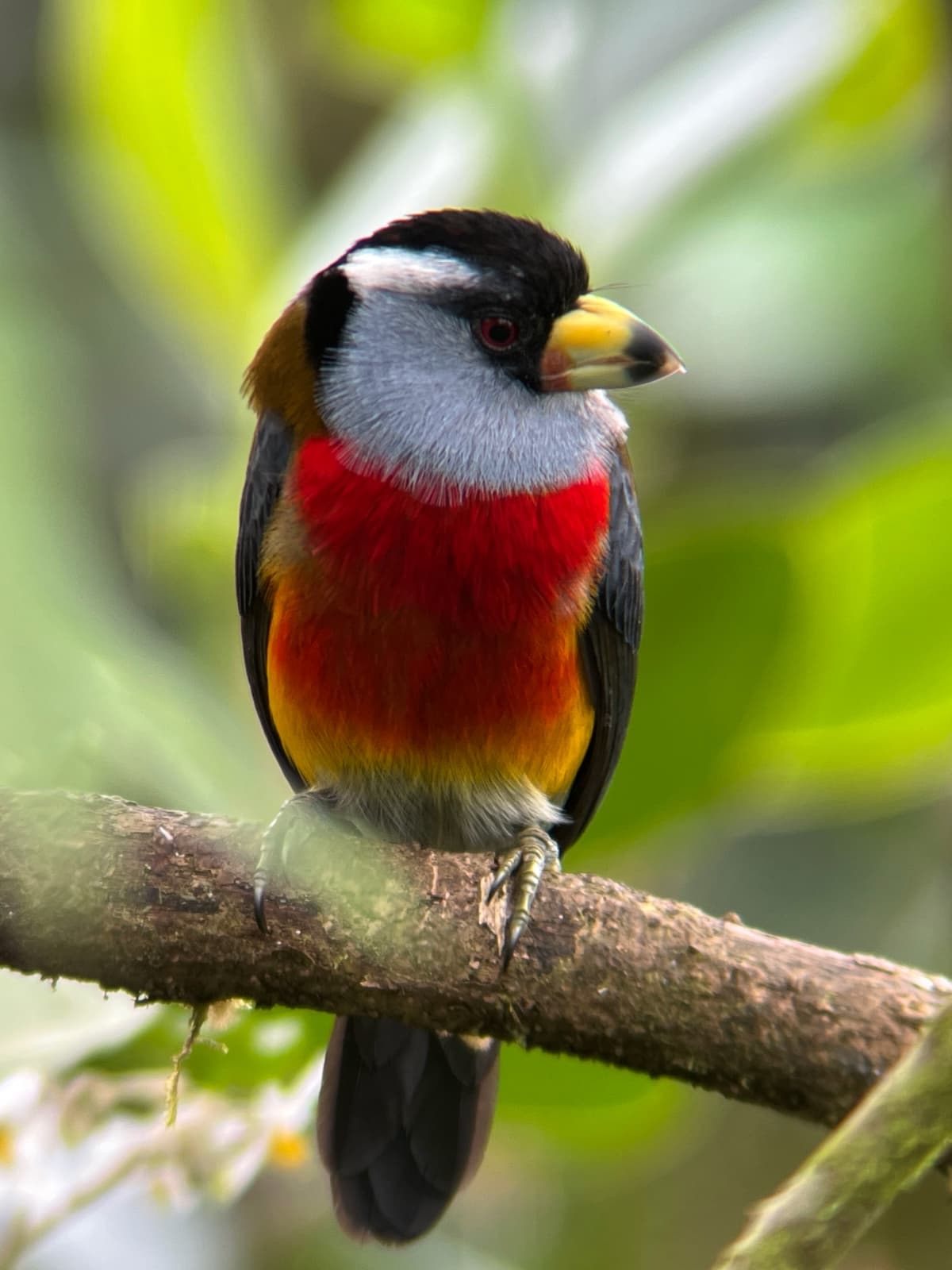
Mindo and the Chocó Andino are known for hummingbirds, tanagers, toucans, antpittas, mixed flocks, and bird photography.
Higher elevations add different hummingbirds, raptors, water birds, páramo species, and dramatic route changes.
Each region adds distinct habitats and species, but many visitors begin with Mindo because logistics are simpler from Quito.
Practical route planning, current bird activity, safer logistics, and better timing across very different habitats.
Use these cards as a planning overview, not as a complete country checklist.
Hummingbirds, toucans, tanagers, mixed flocks, cloud forest trails, and photography-friendly routes.
Plan Mindo birdingElevation changes, raptors, highland hummingbirds, water birds, and route-based habitat diversity.
Read the Ecuador guideLarge forest systems, canopy species, antbirds, parrots, and specialized lodge-style planning.
Ask about guided planningSeabirds, island species, mangroves, coastal wetlands, and a very different style of nature travel.
Ask a local guideMindo is not the whole country, but it is one of the most useful birding entry points.
Mindo works well for travelers starting from Quito because it offers cloud forest birding, accessible routes, private guide options, and strong chances to learn common bird groups before exploring more remote regions.
Beginners can focus on hummingbirds, toucans, tanagers, and binocular skills. More focused birders can discuss target birds, early starts, route choice, and photography priorities with a local guide.
Continue from this hub into regional guides, species pages, tours, and planning support.
Short answers for planning birds of Ecuador with Mindo as a practical base.
Ecuador has many bird habitats in a compact area, including cloud forest, Andes, Amazon, coast, and Galapagos. Mindo is a practical starting point for visitors who want cloud forest birds and local guide support.
For many travelers arriving through Quito, yes. Mindo is accessible, biodiverse, and useful for seeing hummingbirds, toucans, tanagers, and cloud forest species without complex logistics.
Birding is possible year-round, but route choice, rainfall, light, and local activity matter. A guide can help match your dates to realistic habitats and targets.
A guide is not mandatory, but it improves identification, timing, route selection, field ethics, and chances of understanding fast-moving or less obvious birds.
Yes. Beginners can start with Mindo’s gardens, forest edges, short trails, hummingbirds, toucans, and guided explanations before attempting more specialized regions.
Start with Mindo for accessible cloud forest birding, then add high Andes, Amazon, coast, or Galapagos according to your target birds, dates, budget, and available time.
Tell us your travel dates, experience level, photography goals, and target birds. We will connect those priorities with realistic Mindo routes and wider Ecuador planning.