Half-Day Birding Tours
A strong option for travelers with limited time who still want hummingbirds, mixed flocks, and productive cloud forest birding in a guided format.
Mindo is one of the best places in Ecuador for bird watching, combining cloud forest diversity, accessible routes, and an unusual concentration of memorable species in a compact area. This Mindo bird watching guide is designed to help you understand what birds you can see, where birding is strongest, when to go, and how to choose between self-guided birding and guided birdwatching tours in Mindo. If you already know you want help maximizing sightings, route choice, and target species, go straight to the main Mindo bird tours page.
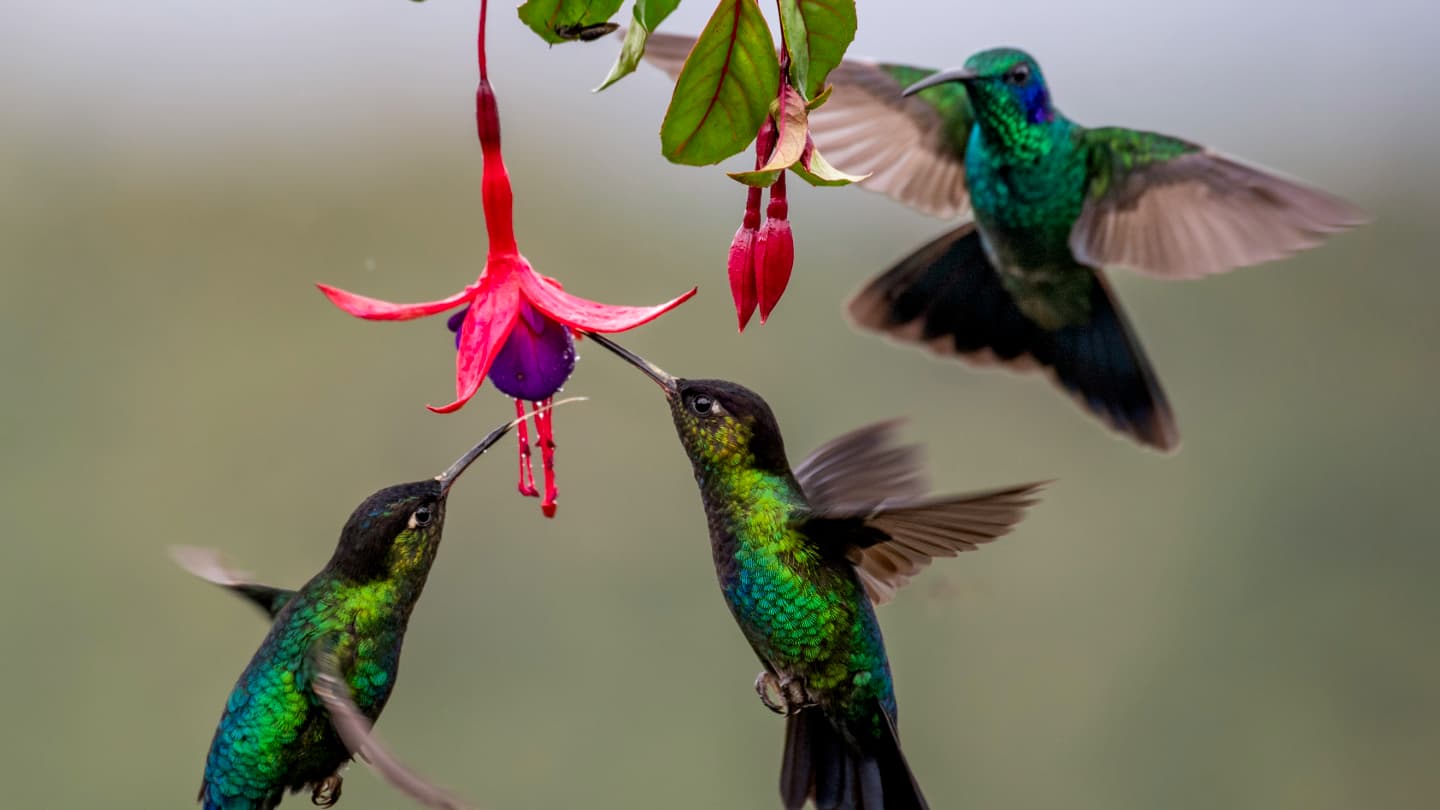
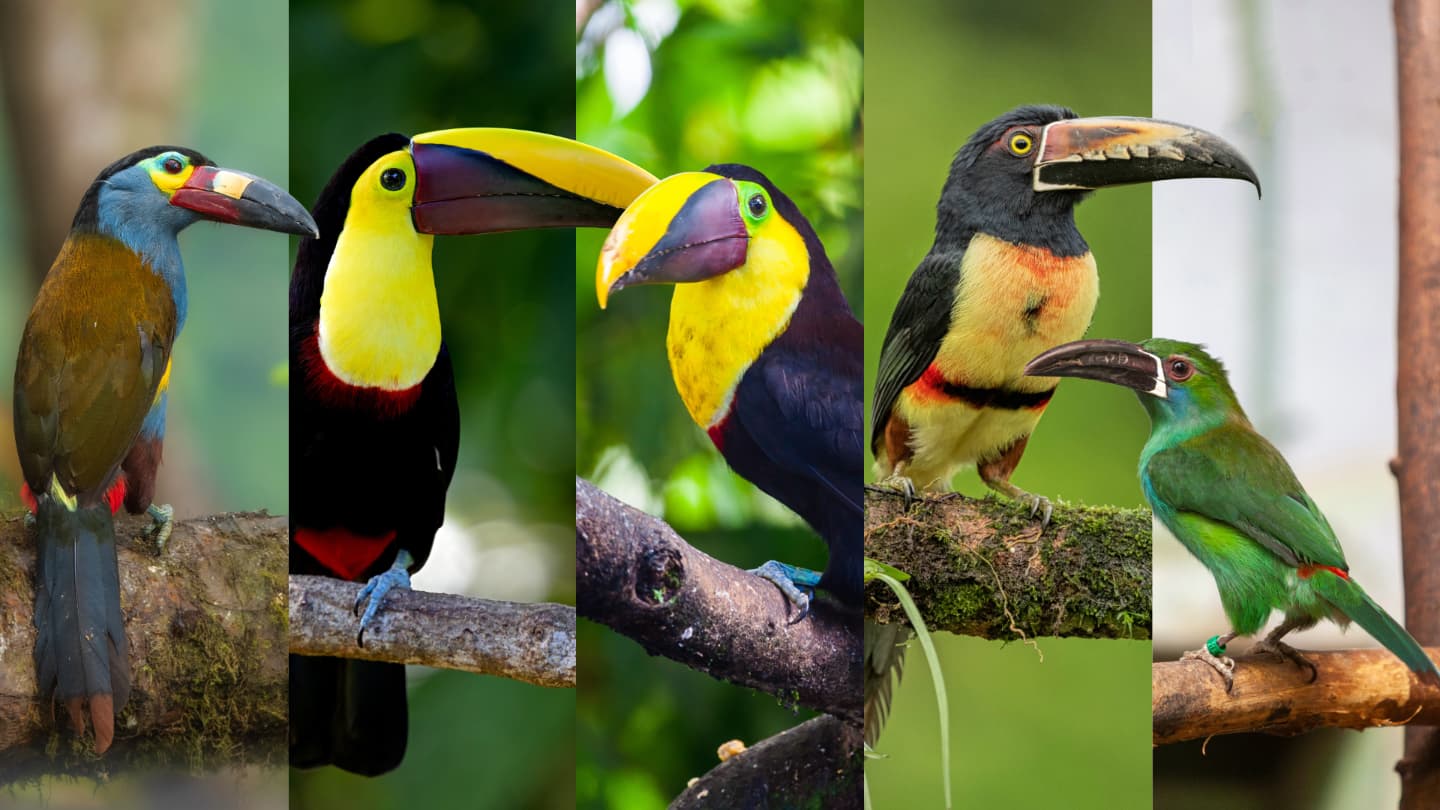
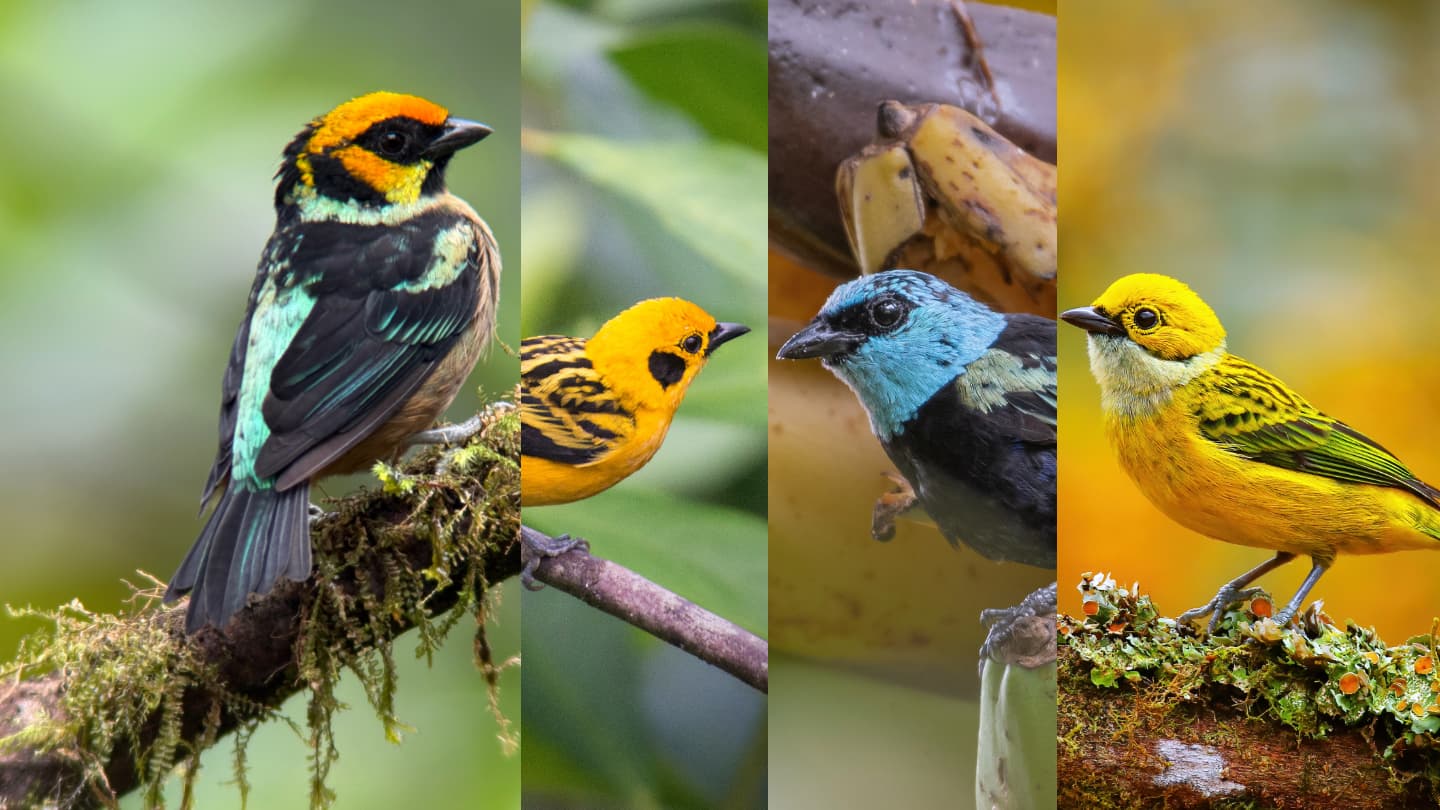
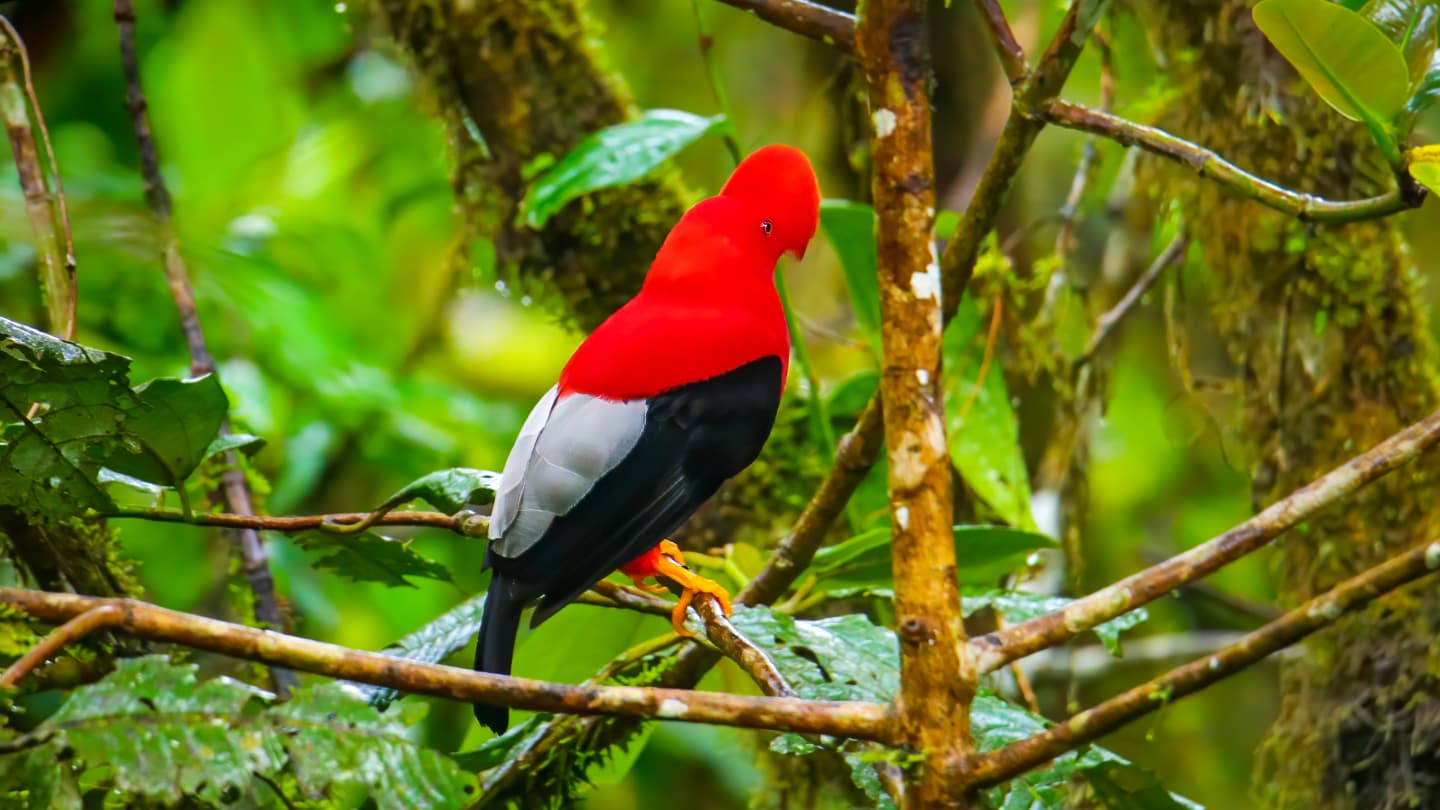
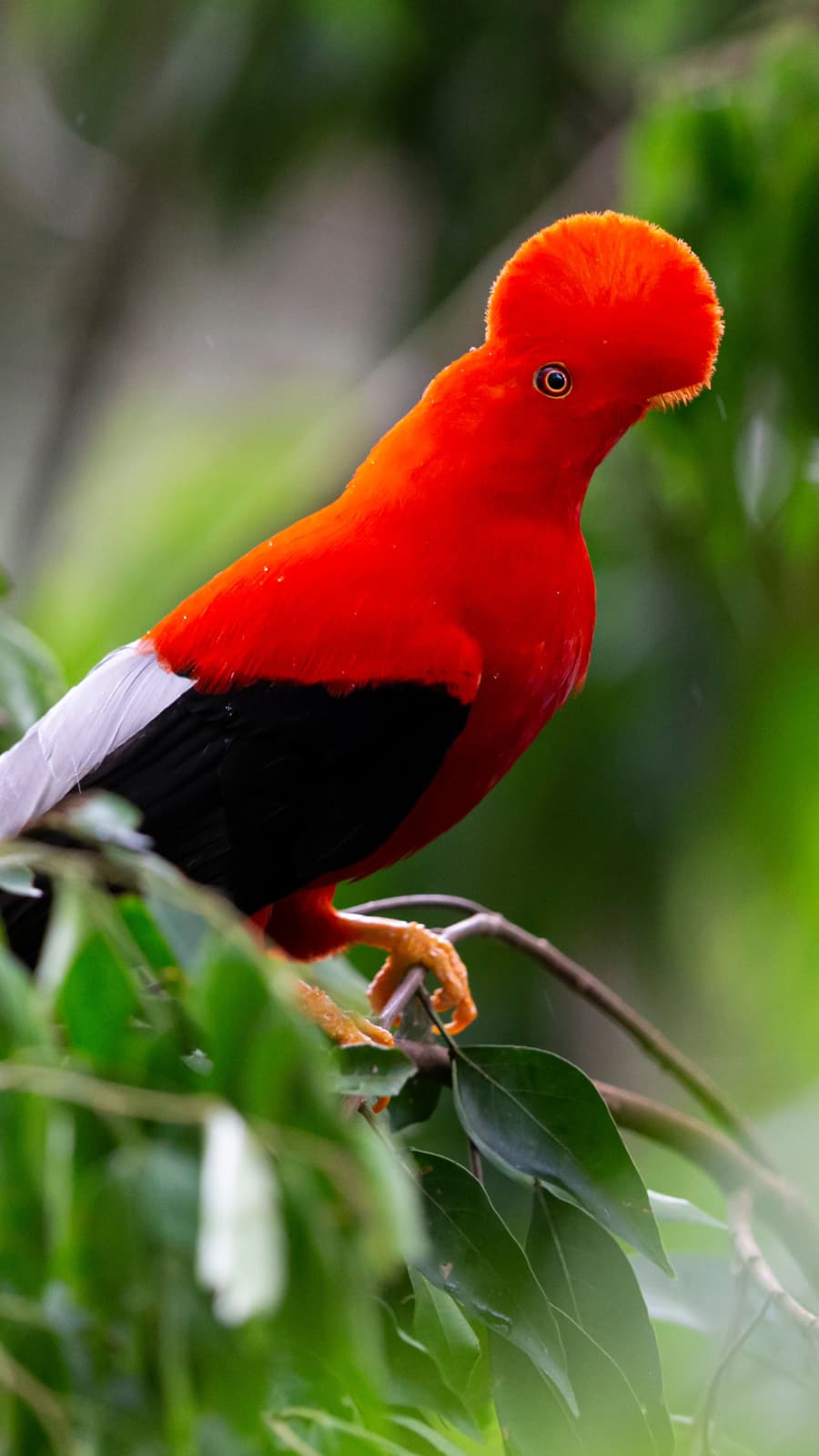
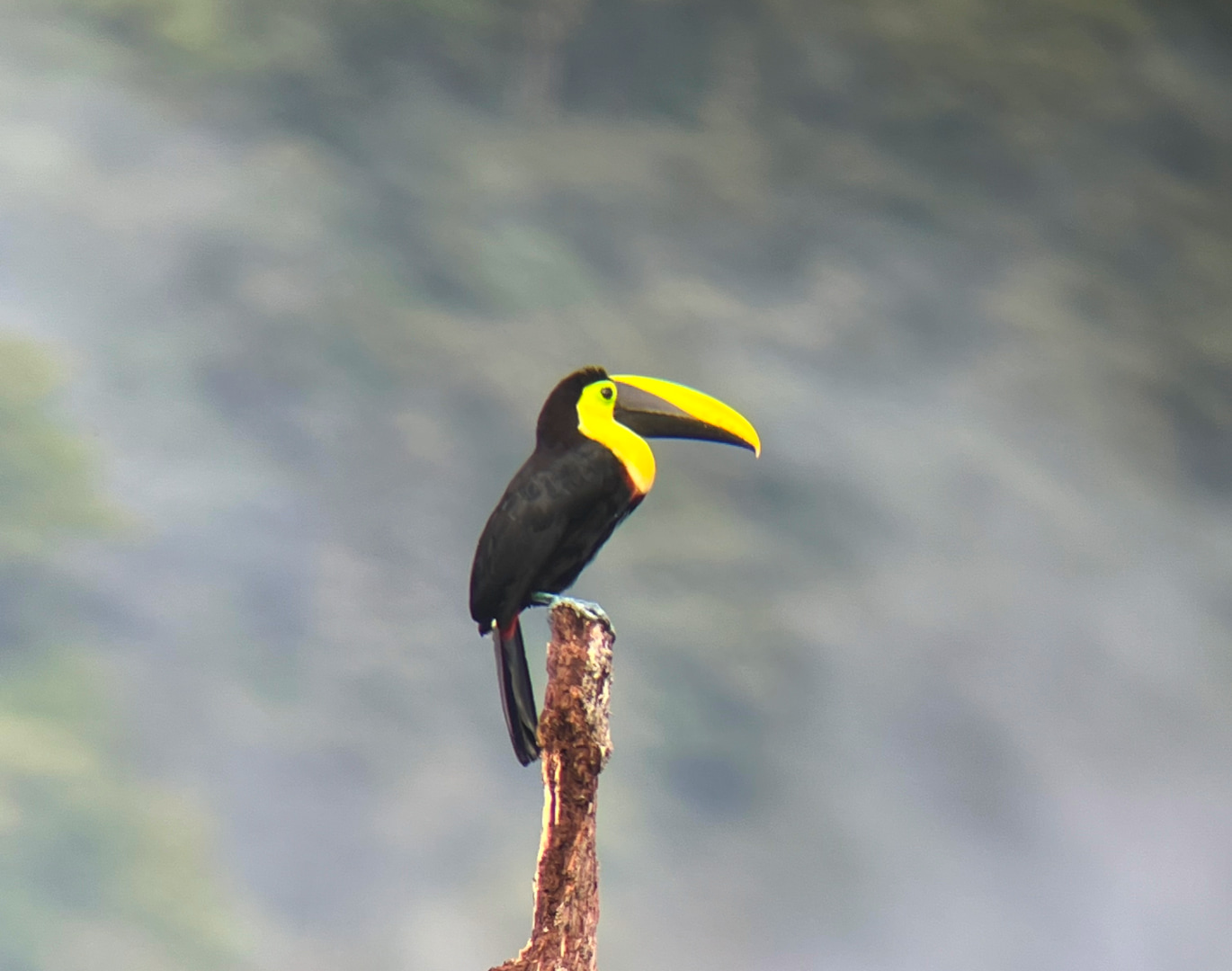
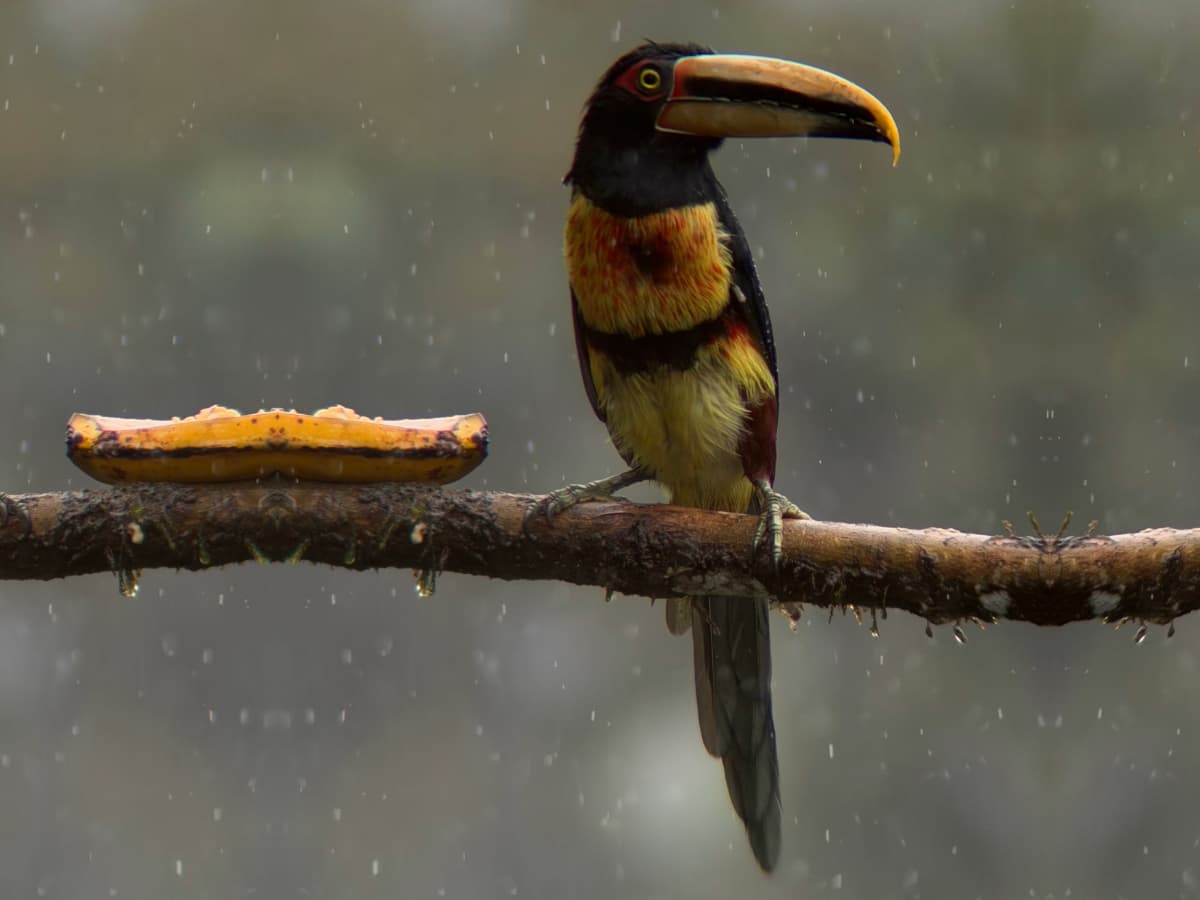
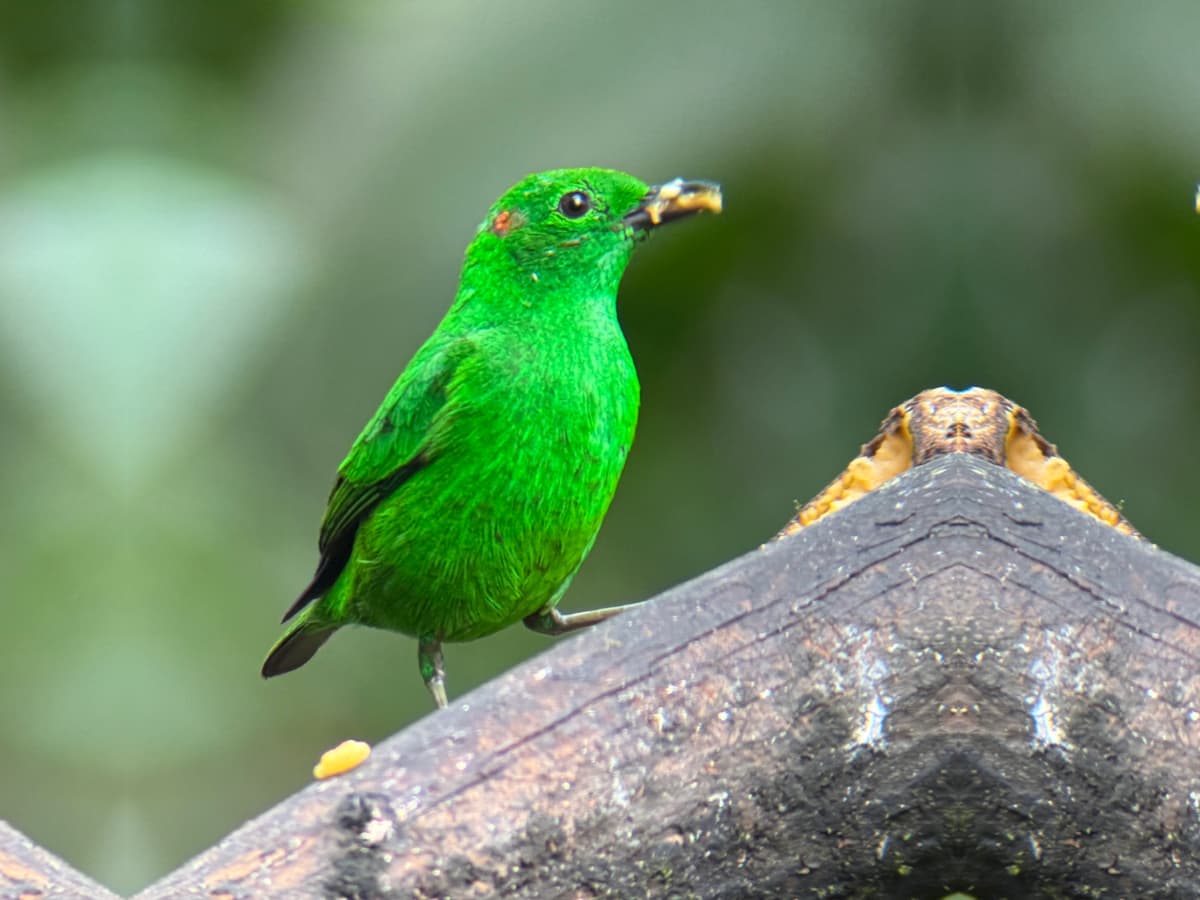
Bird watching in Mindo is famous because the region offers high biodiversity, excellent cloud forest habitat, and productive access to several sought-after bird groups in one destination. Many visitors searching for the best birding in Ecuador eventually focus on Mindo because it offers hummingbirds, toucans, tanagers, and the Andean Cock-of-the-Rock without requiring a complicated multi-stop itinerary. For travelers planning their first Ecuador trip, Mindo is often the easiest high-value place to begin.
One of the biggest reasons Mindo stands out is that different habitats, elevations, feeding trees, forest edges, and reserve routes can all be reached without losing huge amounts of time in transit. That makes Mindo bird watching efficient, flexible, and productive even for shorter stays.
Whether your priority is hummingbirds, toucans, mixed flocks, photography, or iconic lek behavior, Mindo offers routes that can be shaped around those goals. This is one reason the region works well for both beginners and experienced birders.
These species groups define why Mindo bird watching is so popular.
Mindo offers a variety of birdwatching locations within a short distance, each with different habitats and species opportunities. The most productive routes combine multiple stops based on weather, activity, and recent sightings.
Most successful birding days in Mindo combine these environments into a single guided route, adjusted in real time based on conditions.
The best route depends on your target birds, timing, and conditions.
Some of the easiest bird watching in Mindo happens around hummingbird feeders, flowering gardens, fruiting trees, and accessible forest edges. These areas can be especially productive for close observation, photography, and shorter outings.
Other species are better found along reserve roads, quieter cloud forest trails, and dawn routes tied to lek activity or mixed-flock movement. The exact locations can change with recent weather and activity, which is why route choice matters so much.
For most routes, time of day matters more than season.
The strongest birding in Mindo usually happens early, when hummingbirds are active, mixed flocks are moving, and lek-based routes are at their best. If you are planning around one daily time window, make it early morning.
Birding in Mindo can be productive throughout the year, but conditions change with rain, flowering, fruiting, and local activity. Flexible route planning is one of the keys to getting the most from a visit.
Both can work, but they are not equal in efficiency.
Use these details to compare local routes before choosing a half-day, full-day, or private tour.
Most productive routes begin early, often around dawn or shortly after sunrise. Half-day birding is usually three to five hours, while full-day routes allow more habitat coverage. Difficulty ranges from easy roadside and garden birding to moderate forest trails that may be muddy after rain.
Pickup can usually be coordinated from Mindo town, local lodges, or nearby meeting points. Some routes require private transport or reserve entrance fees, so confirm what is included before booking. Quito transfers are a different service and should be quoted separately.
Sightings vary, but these groups are realistic targets when route and timing are chosen well.
A strong morning route may include feeder activity, forest-edge scanning, and one reserve or trail section. A realistic checklist-style goal is not a guaranteed species count, but a useful record of birds seen, habitat notes, weather, and highlights from the route.
Mindo can be productive year-round. Rain, flowering, fruiting, and local road conditions can change the best route for a given morning, so flexibility is more important than choosing a single perfect month.
The best Mindo birdwatching routes are not static. A local guide helps choose between gardens, forest edges, reserve roads, and lek access based on recent activity, weather, group pace, and target birds. That makes a short visit more productive and a full day more focused.
Read about our local birding guide, compare Mindo birdwatching tours, or review the best time for birdwatching in Mindo before choosing your route.
Start with your priorities, then choose the route type that fits best.
A strong option for travelers with limited time who still want hummingbirds, mixed flocks, and productive cloud forest birding in a guided format.
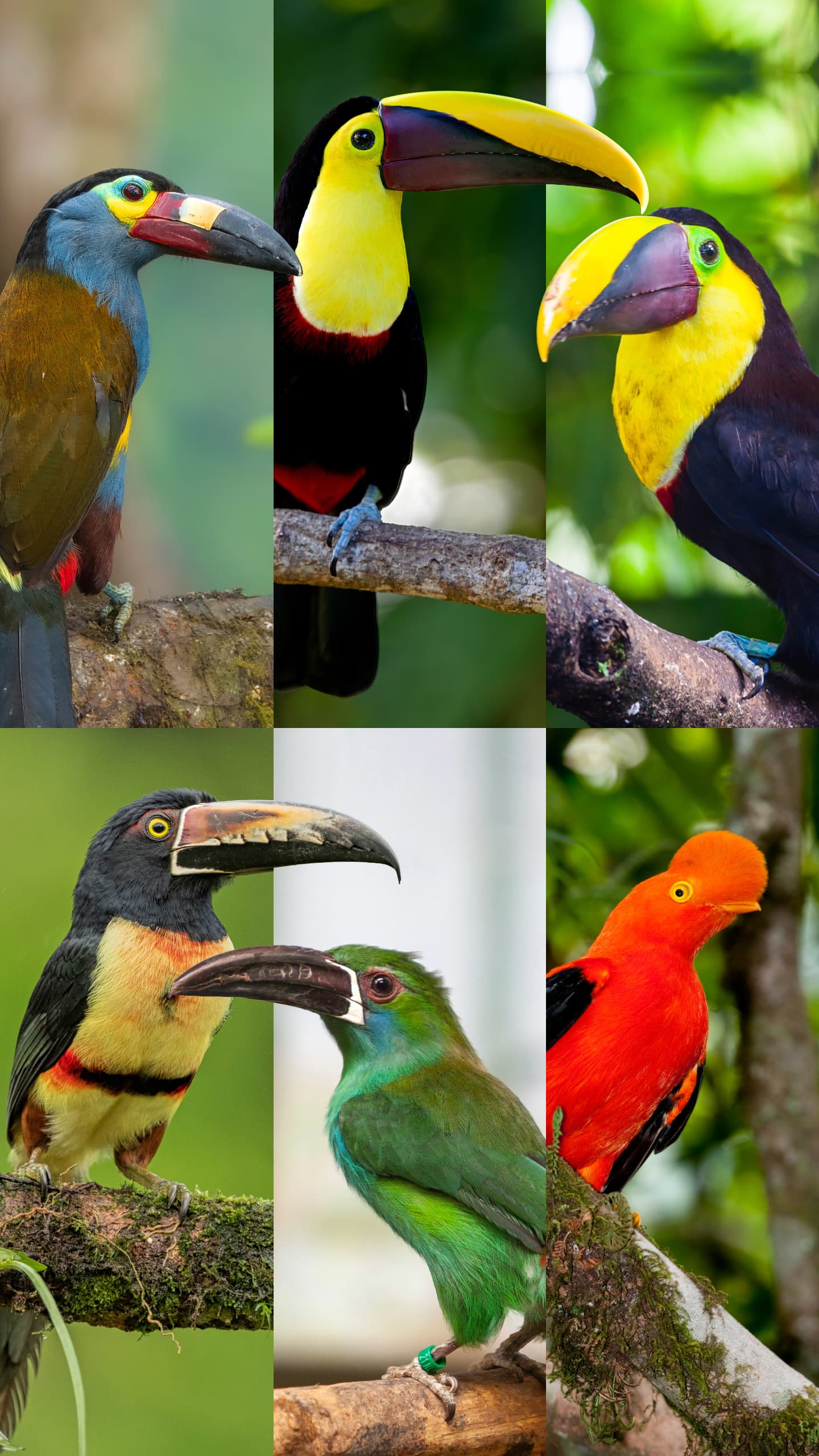
Best for visitors who want broader species variety, more habitat coverage, and stronger chances for toucans, tanagers, and lek-based routes.
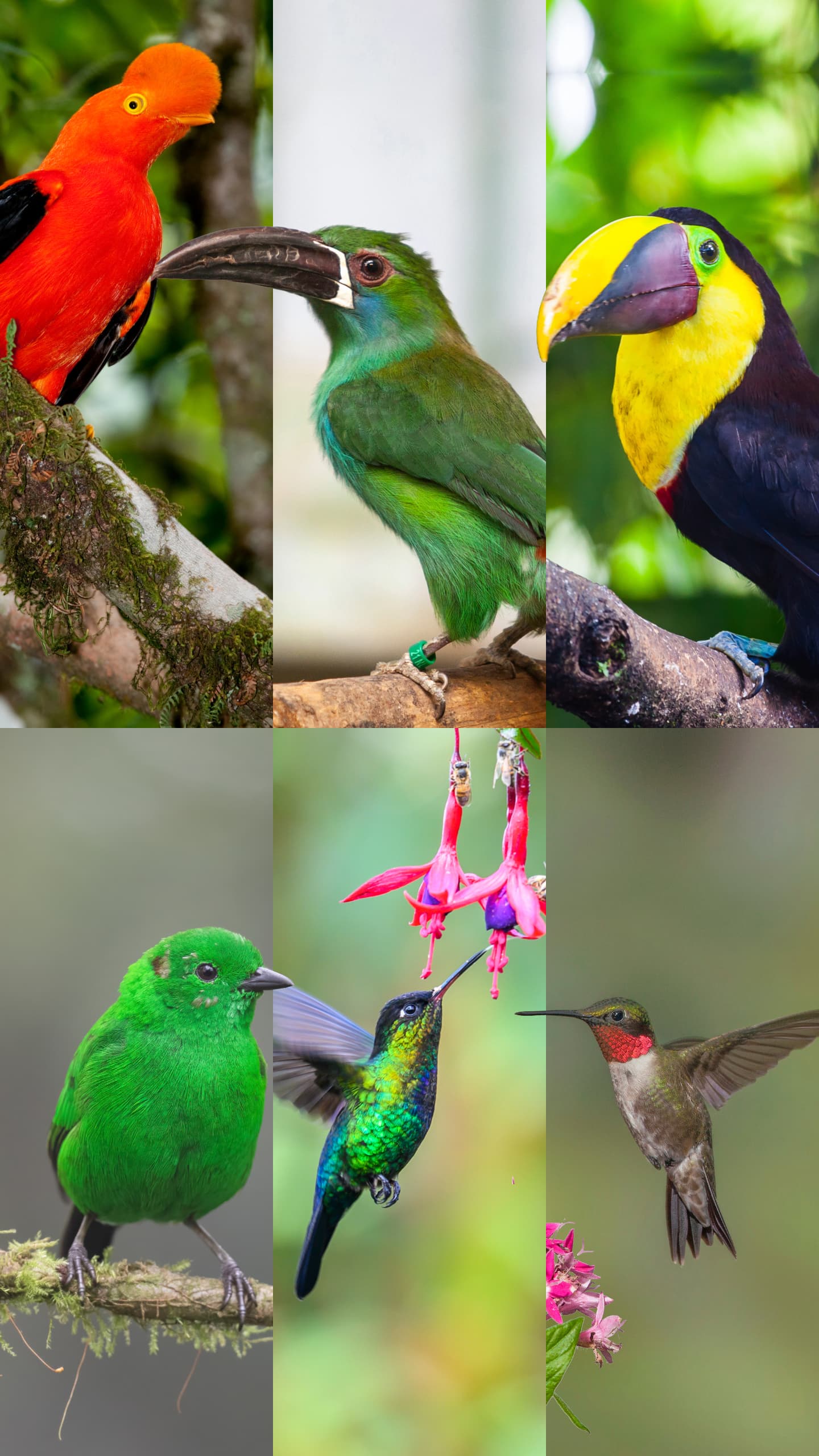
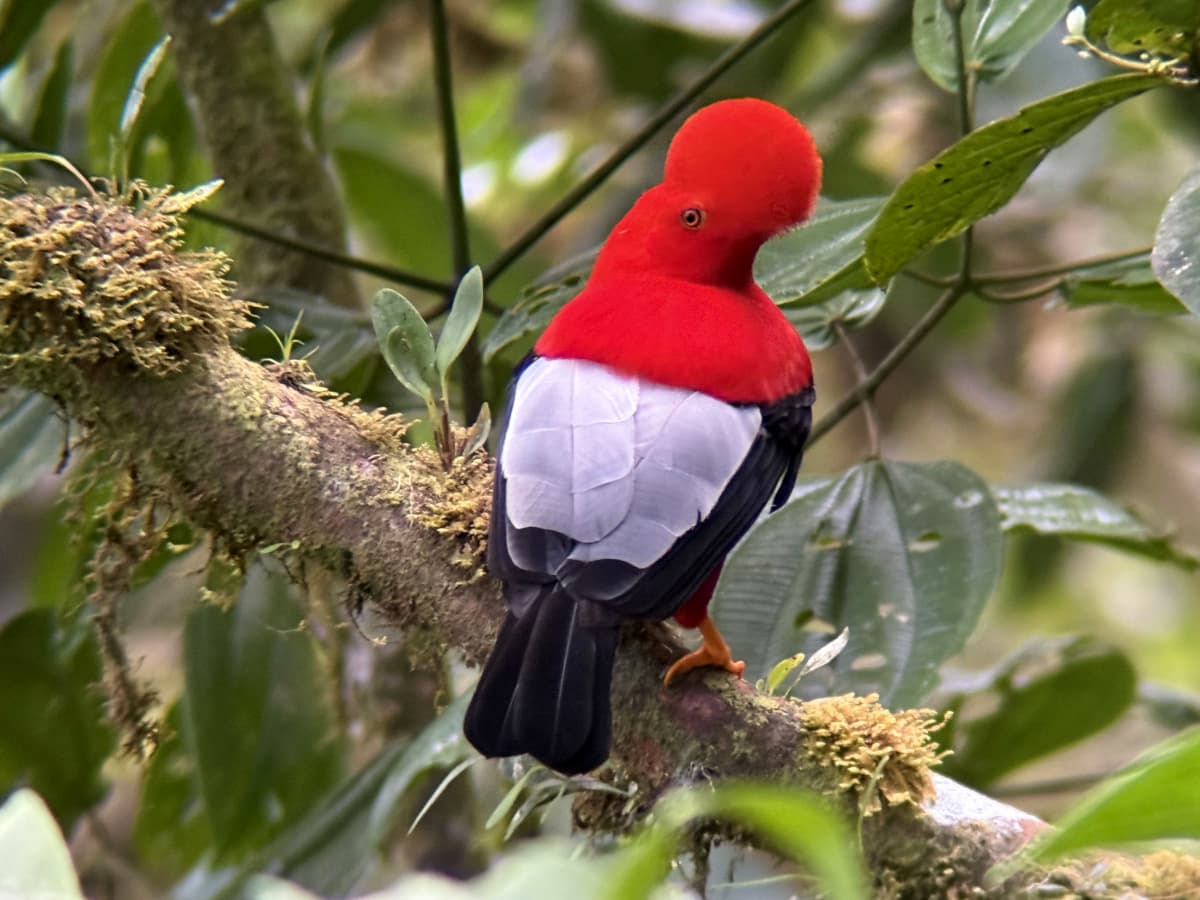
Good for target-species travelers who want focused experiences such as the Andean Cock-of-the-Rock at dawn or a full-day toucan route.
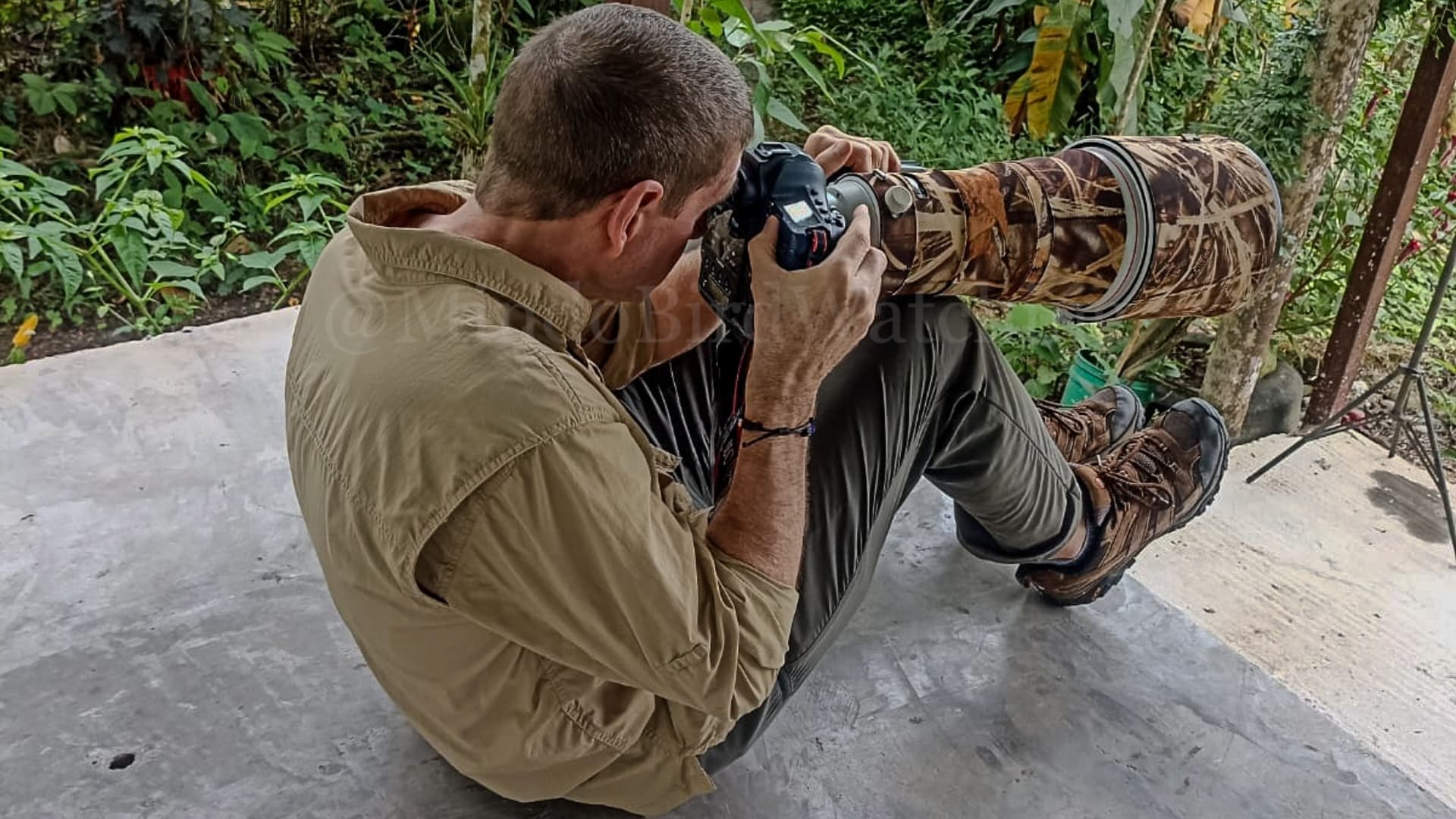
Ideal for photographers, private groups, and birders who want a route designed around specific species, pace, and timing.
Once you understand the basics of birding in Mindo, the next step is to compare route types, target species, and timing. Our Mindo bird tours page is the best place to move from planning into actual route selection.
If you are comparing broader country-level options, continue to our Ecuador birding tours guide to see how Mindo fits into a larger Ecuador birding trip.
Choose the guide that matches your next decision.
Compare private and specialized routes.
Compare toursReview activity, weather, and timing.
Review timingExplore key cloud-forest bird groups.
Explore birdsCheck transport, packing, and booking.
Plan your visitPlan lodging, activities, and trip length.
Read the guideLearn how local route knowledge helps.
Meet your guidePlace Mindo in a broader birding trip.
Explore EcuadorShare dates, goals, and target species.
Start booking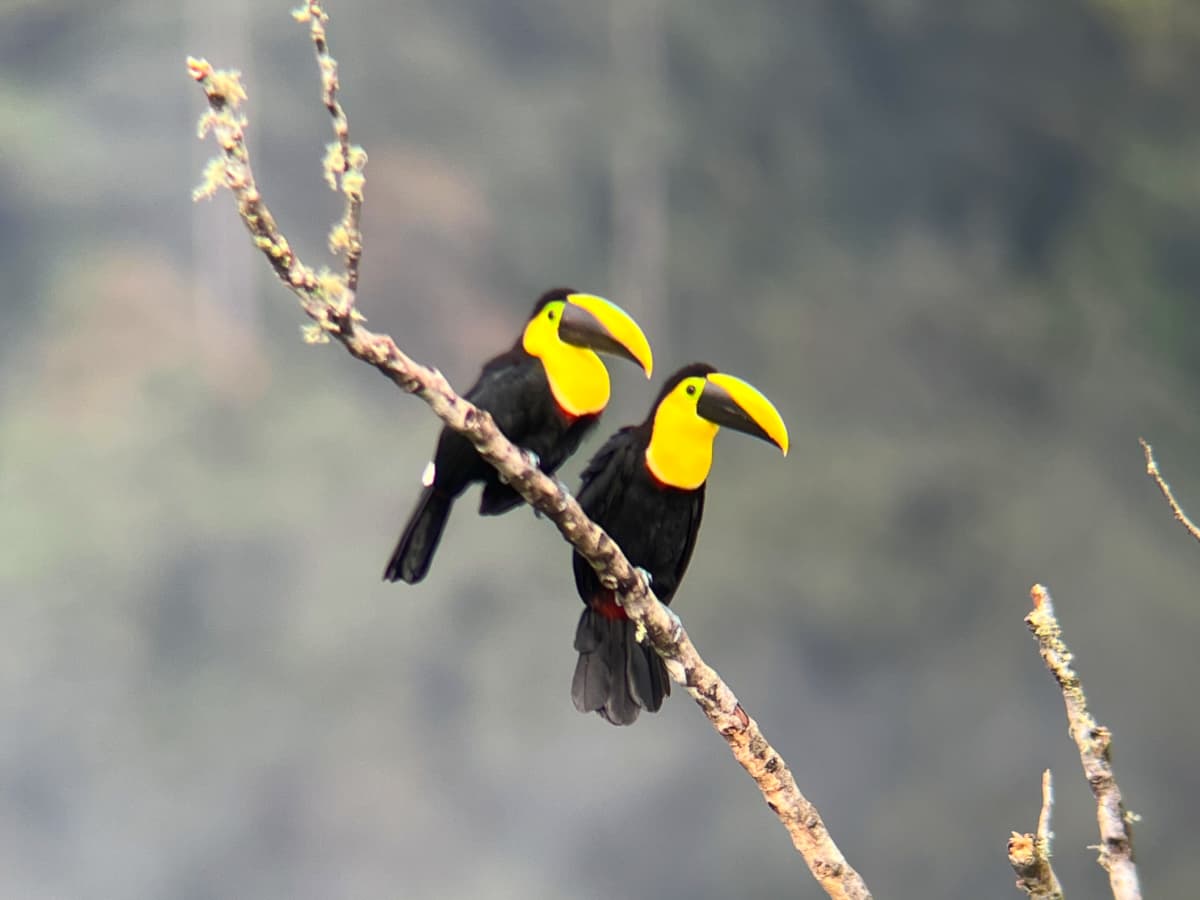
New bird planning guide
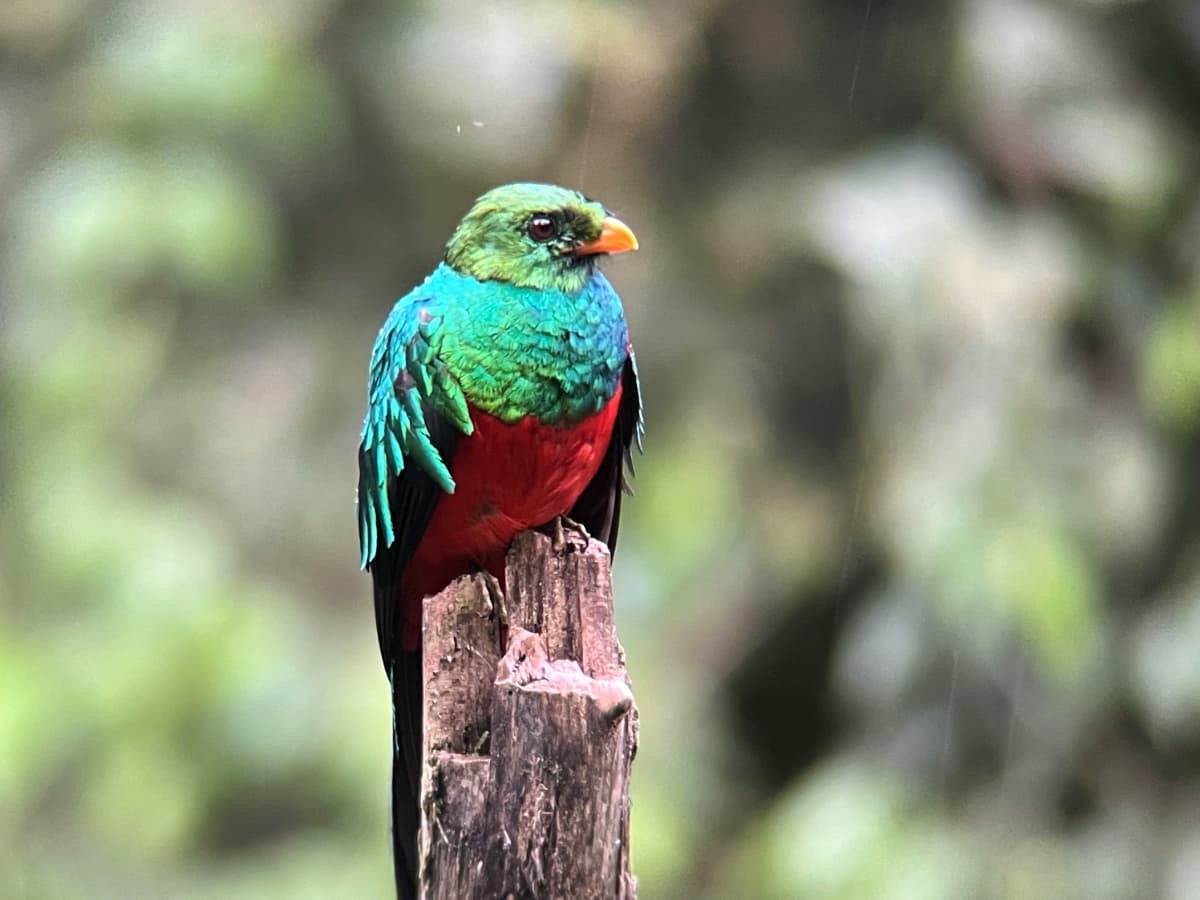
Compare 50+ Mindo bird species with photos, bird calls, tour-length labels, and practical guide notes. This guide helps guests choose the right tour and clearly shows why a full day gives more time, more habitat variety, and better chances for target birds.
Quick answers for planning bird watching in Mindo, Ecuador.
Mindo combines cloud forest diversity, productive access, and strong local guiding in one compact region, which makes it ideal for both first-time visitors and experienced birders.
Depending on route and timing, visitors may see hummingbirds, toucans, tanagers, the Andean Cock-of-the-Rock, and many other cloud forest birds associated with the Mindo region.
Early morning is usually best because activity peaks then, especially around forest edges, feeding areas, mixed flocks, and lek-centered routes.
A guide is highly recommended for short visits, target-species goals, and flexible route planning because local knowledge improves efficiency and results.
Yes. Mindo works very well for beginners because the routes can be accessible, species diversity is high, and guided outings make identification much easier.
If you are ready to compare actual route options, continue to our Mindo bird tours page.
Ready to turn planning into an actual birding route? Use this guide as your foundation, then compare Mindo bird tours, explore broader Ecuador birding tours, and reserve the outing that best matches your target birds and schedule.