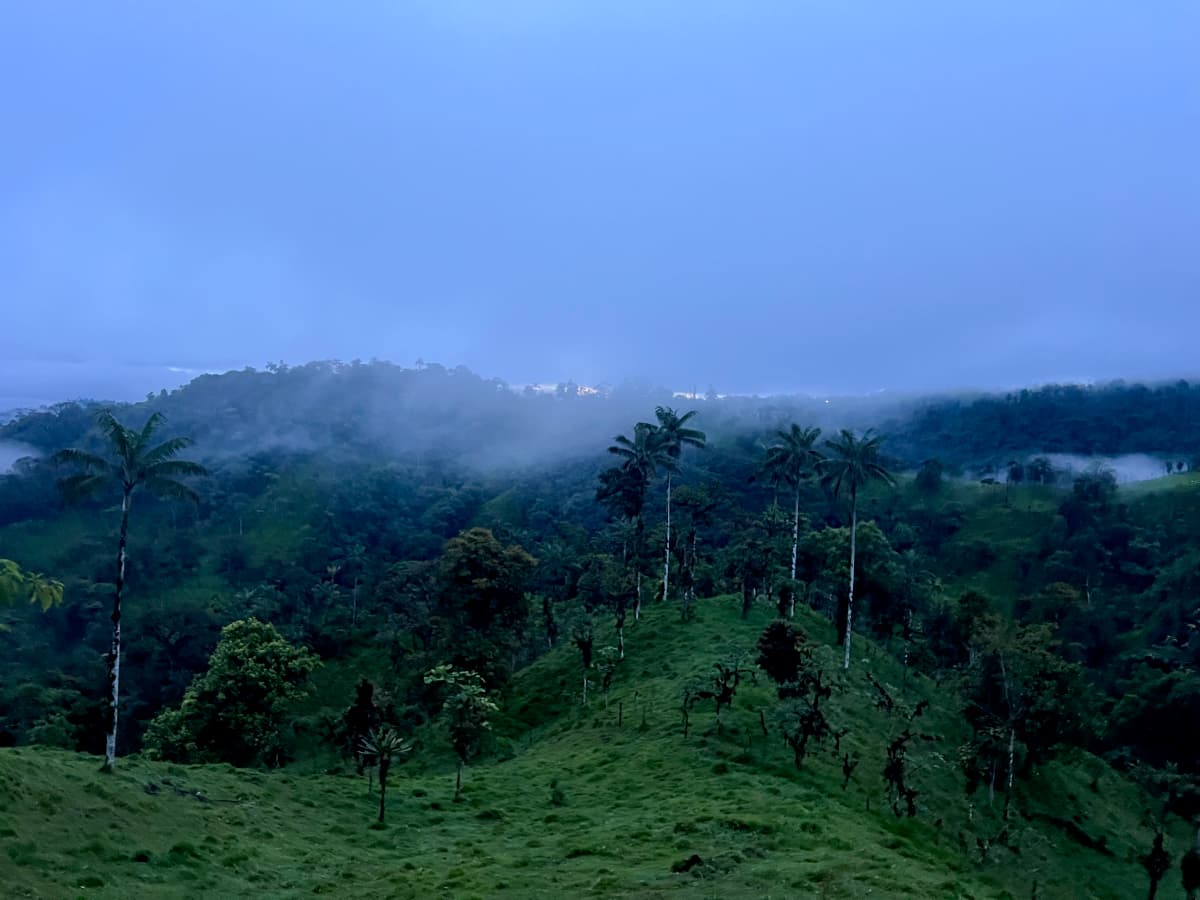
In the western Andes close to the Mindo and Tandayapa birding region.
Cloud-forest birding near Mindo
Refugio Paz de las Aves Birding Guide near Mindo, Ecuador
Refugio Paz de las Aves is a family-run cloud-forest refuge near Nanegalito and the Mindo birding region, internationally known for antpittas, the Andean Cock-of-the-Rock lek, hummingbirds and intimate guided birding experiences.
AntpittasCock-of-the-RockCloud forest
Is Paz de las Aves worth a birding stop?
Yes. Paz de las Aves is one of the most distinctive birding experiences in northwest Ecuador, especially for antpittas and Andean Cock-of-the-Rock. The refuge combines guided early-morning birding, cloud-forest habitat, feeder activity and a long conservation story, making it a strong addition to a Mindo or western-Andes itinerary.
Quick facts for planning
The reserve’s official FAQ gives this approximate drive time; traffic and road conditions can change it.
Central Mindo is nearby, but local road conditions and your exact pickup point affect travel time.
Especially strong for antpittas, Cock-of-the-Rock, hummingbirds and focused guided birding.
What makes the Paz experience different
Antpitta experience
The Paz family is internationally known for patiently habituating wild antpittas, creating rare opportunities to observe several species at close range without treating sightings as guaranteed.
Cock-of-the-Rock lek
Early mornings can include access to an active Andean Cock-of-the-Rock lek, one of the signature birding experiences associated with the refuge.
Feeders and hummingbird garden
The official half-day experience includes the hummingbird garden and bird feeders, adding colorful cloud-forest species to the morning.
Travel context from Mindo and Quito
The reserve’s own visitor FAQ gives roughly two hours from Quito. Leave margin for traffic, pickup location, weather and the final local-road segment.
Current map/travel data places central Mindo roughly 20–25 km away. Confirm the day’s road conditions and pickup point before treating that as a fixed transfer time.
Drive times are planning ranges, not guarantees. Confirm the current route, pickup point, weather and road conditions before departure.
Map, official information and directions
Open the verified map
The reserve’s official website links directly to this Google Maps entity. Use it for current routing rather than relying on a hard-coded drive time.
Check the reserve directly
Use the official Paz de las Aves website for current tours, lodging, contact details and operating information.
Is Paz de las Aves right for you?
Target birders
A top choice when antpittas and Andean Cock-of-the-Rock are priority birds.
Bird photographers
Close-range bird activity, feeders and a controlled morning pace can be very productive for photography.
First-time cloud-forest visitors
The guided format makes the site accessible to newer birders while still offering high-value targets for experienced visitors.
Habitat and reserve character
Chocó-Andean cloud forest
The refuge sits in northwest Pichincha between Mindo and Nanegalito, protecting steep western-Andes forest and edge habitat in the Chocó bioregion.
A focused private refuge
Rather than a broad public reserve, Paz de las Aves is a family-run wildlife refuge and lodge built around guided birding, conservation and carefully managed access.
Birds to look for
Giant Antpitta
One of the signature Paz family antpittas and a major reason birders visit the refuge.
Moustached Antpitta
A shy forest-floor target associated with the reserve’s well-known antpitta experience.
Yellow-breasted Antpitta
Another prized antpitta that can reward patient, guided observation.
Andean Cock-of-the-Rock
The early-morning lek is one of the refuge’s most iconic birding experiences.
Plate-billed Mountain Toucan
A striking Chocó-Andean toucan associated with cloud-forest birding in this region.
Velvet-purple Coronet
One of the colorful hummingbirds associated with feeders and forest-edge activity around the refuge.

Explore Paz de las Aves on eBird
Open the verified Refugio Paz de las Aves hotspot to review recent checklists, reported species and current birding activity before your visit.
Photography fit
Antpitta portraits
Patient, guided observation can provide unusually clean views of shy forest-floor birds.
Cock-of-the-Rock action
Low light and fast movement make the lek challenging, but it can produce memorable behavioral images.
Feeder photography
Hummingbird and fruit-feeder activity can create repeated opportunities for portraits and behavior.
How to plan the visit
Start early
The official half-day experience begins at 6 AM, and the strongest signature targets are tied to early-morning activity.
Prioritize your targets
Tell your guide whether antpittas, Cock-of-the-Rock, hummingbirds, photography or a broad species list matters most.
Keep the route flexible
Rain, fog, fruiting and bird activity change quickly in cloud forest; the best plan can shift during the morning.
Guide vs. independent planning
Guided visit
Best for first visits, target birds, photography and limited time. Local knowledge is central to the antpitta and lek experience.
Independent planning
Useful for understanding the region, but reserve-specific access and signature experiences are best confirmed directly with the refuge before arrival.
How to combine Paz de las Aves with nearby reserves
Paz de las Aves + Mindo
A strong pairing for antpittas and Cock-of-the-Rock plus lower cloud-forest hummingbirds, toucans and tanagers.
Paz de las Aves + Bellavista
Combines the refuge’s focused targets with another major western-Andes cloud-forest site.
Paz de las Aves + Yanacocha / Zuro Loma
Adds a much higher-elevation bird community when the itinerary starts from Quito and has enough time.
Practical planning checklist
- Confirm your visit directly with the refuge or your guide.
- Plan an early start for the signature birding experience.
- Bring rain protection and footwear for wet cloud-forest conditions.
- Carry binoculars plus a camera setup that handles low light.
- Share target birds and photography goals before the route is finalized.
- Treat all wildlife sightings as possibilities, never guarantees.
Related reserve and planning pages
FAQs About Refugio Paz de las Aves
Is Refugio Paz de las Aves worth visiting for birdwatching?
Yes. It is one of northwest Ecuador’s best-known birding refuges for antpittas, Andean Cock-of-the-Rock and a focused cloud-forest experience. It is especially useful for birders and photographers who want a guided early-morning visit rather than a general trail walk.
How far is Refugio Paz de las Aves from Mindo?
The refuge is west of Quito near Nanegalito and close to the Mindo birding region. Current route information places central Mindo roughly 20–25 km away, but the final drive includes local roads, so allow extra time and confirm conditions before departure.
How far is Refugio Paz de las Aves from Quito?
The refuge’s official FAQ describes it as about a two-hour drive from Quito. Actual travel time depends on your pickup point, traffic, weather and road conditions, so a private birding itinerary should keep some margin.
What birds can you see at Refugio Paz de las Aves?
The refuge is famous for antpittas and Andean Cock-of-the-Rock, with additional opportunities for toucans, tanagers, hummingbirds and other Chocó-Andean cloud-forest birds. eBird lists more than 450 species for the hotspot, but no individual species is guaranteed.
Is Paz de las Aves good for bird photography?
Yes. Habituated antpittas, the Cock-of-the-Rock lek, hummingbird activity, feeders and cloud-forest light can create strong photography opportunities. Low light, rain and fast-moving birds still reward patience, weather protection and flexible camera settings.
Do you need a guide to visit Paz de las Aves?
A guide is strongly recommended, especially for early-morning targets, antpitta locations, photography and efficient route planning. The refuge also offers its own guided birding experiences, including half-day and multi-day options.
Next step
Build Paz de las Aves into a private western-Andes birding route.
Tell us your dates, birding level, photography goals, target birds and whether you are starting from Mindo or Quito.
What happens next
- Share your date, pickup point and priority birds.
- We compare Paz de las Aves with nearby reserves and elevations.
- You receive a realistic route plan with timing and weather flexibility.