Family-run conservation and birding property in the Chocó-Andino Biosphere.
Chocó foothill birding in northwest Pichincha
Mashpi-Amagusa Reserve Birding Guide near Mindo, Ecuador
Mashpi-Amagusa is a family-run private reserve and eco-lodge in Ecuador’s Chocó-Andino Biosphere, known for localized Chocó birds, colorful tanagers, hummingbirds, feeders and close-range bird photography in a remote western-slope forest setting.
Chocó-Andino BiosphereMashpi-Pachijal IBATanagers + hummingbirds
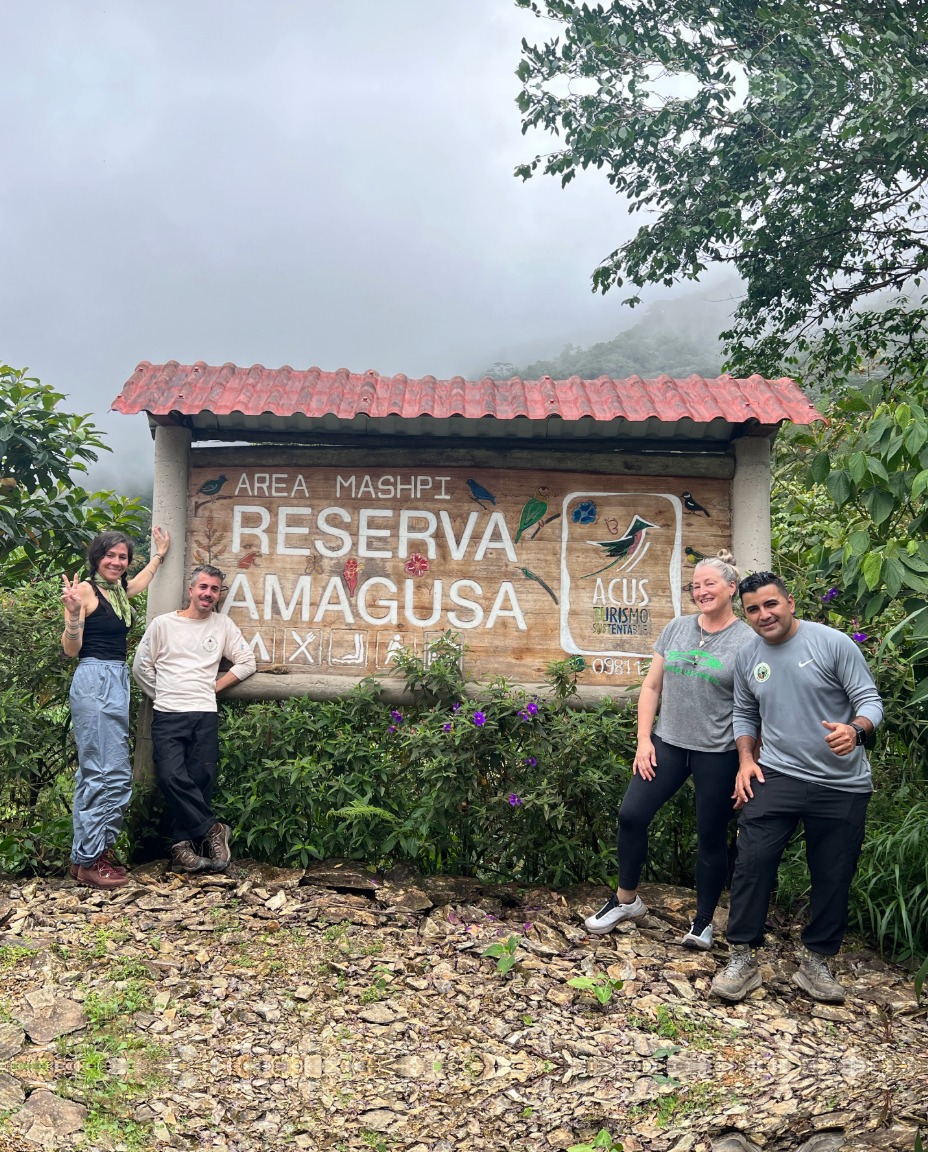
Is Mashpi-Amagusa worth adding to a Mindo birding route?
Yes. Mashpi-Amagusa adds a lower, wetter Chocó foothill bird community to a Mindo itinerary, with localized tanagers, hummingbirds, fruiteaters and other western-slope targets. Its feeder areas are especially useful for photographers, while the remote setting rewards birders willing to dedicate a longer transfer to a focused target-bird day.
Quick facts for planning
The reserve states that its current protected property extends to roughly 320 acres.
Mashpi-Amagusa publishes 279 bird species observed on the property, including 24 Chocó endemics.
Localized tanagers, hummingbirds, mixed forest birds and close feeder-based observation.
Verified visitor features
Reservation recommended
The reserve asks visitors to confirm ahead because it is a family-run property and someone should be prepared to receive guests.
Hummingbird garden and birding stations
Published visitor information describes a hummingbird garden, feeding areas and specialized birdwatching stations, including a moth-trap area.
Forest and waterfall access
The reserve promotes forest exploration and a waterfall hike; wet conditions, elevation change and slippery surfaces should be expected.
Travel context from Mindo and Quito
A recent visitor report describes roughly 90 minutes; local guide planning commonly allows closer to two hours.
Use this as a planning range only. Traffic, pickup point and the slower final approach can change the transfer.
Drive times are planning estimates, not guarantees. Mashpi-Amagusa warns that after Pacto the road becomes gravel and the final kilometers are narrow and unpaved; fog, rain, mud and route choice can materially change travel time.
Map and Mashpi-Amagusa trip planning
Open Mashpi-Amagusa in Google Maps
The exact reserve entity is verified in the Pacto/Mashpi area. Use the current map listing for location, but follow the reserve’s road-warning context because it notes that one alternate Google route does not exist in practice.
Plan Mashpi-Amagusa with Mindo Bird Watching
We can build Mashpi-Amagusa into a private route from Mindo or Quito and combine it with complementary elevations based on your target birds, photography goals and available time.
Who Mashpi-Amagusa is best for
Chocó target birders
A strong choice when localized western-slope species and Chocó endemics are a priority.
Tanager and hummingbird photographers
Feeders, fruiting areas and gardens can bring colorful birds into repeated viewing zones.
Birders building an elevation route
Mashpi-Amagusa contrasts well with higher sites near Mindo, Tandayapa and Quito.
Habitat and conservation context
Chocó-Andino foothill forest
Mashpi-Amagusa protects cloud forest on the foothills of the western Andes within the Chocó-Andino Biosphere and the Mashpi-Pachijal Important Bird Area.
Family-led restoration
The reserve describes a long-term transition from former agricultural land toward native planting, feeding stations, forest protection and a growing private reserve.
Birds to look for
Glistening-green Tanager
One of the reserve’s best-known localized Chocó targets and a signature bird for many visiting photographers.
Moss-backed Tanager
A western-Andes specialty regularly associated with Mashpi-Amagusa birding itineraries.
Indigo Flowerpiercer
A localized Chocó-Andean target frequently highlighted for the Mashpi area.
Orange-breasted Fruiteater
A colorful forest species that rewards slower birding beyond the feeder areas.
Chocó Vireo
A regional specialty that adds strong target-bird value for serious western-Ecuador birders.
Toucan Barbet
A distinctive Chocó-Andean bird that can appear in forest and mixed-flock contexts around the Mashpi landscape.
Recent Mashpi-Amagusa sightings on eBird

Check the Reserva Mashpi-Amagusa hotspot
Use eBird hotspot L3175551 to review recent checklists, reported species and current birding activity before your trip.
Photography fit
Feeders and fruiting areas
Repeated bird activity can create strong opportunities for portraits, behavior and colorful tanager images.
Hummingbird garden
A concentrated hummingbird area can support flight, perch and close-detail photography when activity is high.
Fog and low light
Mashpi is wet and often misty. Fast autofocus, flexible ISO settings and rain protection are useful.
How to plan a strong Mashpi-Amagusa visit
Start early and allow a full birding window
The transfer is substantial, so an early start protects the best morning activity and gives time for both feeders and forest birding.
Use stations, then work the forest
Feeders are productive, but target birds such as fruiteaters and vireos may require listening and patient forest observation.
Treat the road as part of the plan
Fog, gravel and narrow final sections can slow travel. Build margin into both arrival and return timing.
Guide vs. self-guided
Guided route
Best for target birds, calls, mixed flocks and coordinating a long transfer with the most productive birding sequence.
Independent visit
Possible with advance confirmation, but the remote access and specialized targets make local route knowledge especially valuable.
How to combine Mashpi-Amagusa with nearby birding sites
Mashpi-Amagusa + Milpe
Pairs localized Mashpi tanagers and hummingbirds with a more accessible lower-elevation Chocó sanctuary closer to Mindo.
Mashpi-Amagusa + Mindo
Use Mindo as the base for broader cloud-forest birding, then dedicate a separate day to the Mashpi-Pacto sector.
Mashpi-Amagusa + Bellavista
A strong multi-day elevation contrast between foothill Chocó forest and upper Tandayapa cloud forest.
Practical planning checklist
- Confirm the visit in advance rather than arriving unannounced.
- Allow extra road time for fog, rain, gravel and the narrow final approach.
- Bring rain protection for both yourself and camera equipment.
- Carry binoculars and a camera setup that handles low forest light.
- Use recent eBird activity to refine target expectations before departure.
- Treat every bird list as a possibility, never a guarantee.
Related reserve and planning pages
FAQs About Mashpi-Amagusa Reserve
Is Mashpi-Amagusa Reserve worth visiting from Mindo?
Yes. Mashpi-Amagusa is especially valuable for Chocó specialties, tanagers, hummingbirds and photography. Its feeders and forest birding add a lower, wetter foothill community to a Mindo itinerary, making the longer transfer worthwhile for birders with specific western-slope targets.
How far is Mashpi-Amagusa Reserve from Mindo?
Plan roughly 1.5 to 2 hours from Mindo. A recent visitor report describes about 90 minutes, while local guide planning commonly allows closer to two hours. Weather, road conditions and the pickup point can change the drive.
How far is Mashpi-Amagusa Reserve from Quito?
A practical planning estimate is around three hours from Quito, depending on the starting point and traffic. The final approach is remote and slower than the main highway sections, so confirm the current route before departure.
What birds can you see at Mashpi-Amagusa?
The reserve is known for Chocó specialties including Glistening-green Tanager, Moss-backed Tanager, Indigo Flowerpiercer, Orange-breasted Fruiteater, Chocó Vireo, Toucan Barbet and a strong hummingbird community. Sightings vary with season, weather and daily bird activity.
Is Mashpi-Amagusa good for bird photography?
Yes. Hummingbird gardens, fruit-feeding areas and specialized birding stations can create close observation and photography opportunities. Fog, rain and low forest light are common, so weather protection, flexible ISO settings and fast autofocus are useful.
Do you need a reservation or guide at Mashpi-Amagusa?
The reserve recommends confirming a visit in advance because it is a family-run property. A guide is especially useful for target birds, calls and efficient use of the site, while Mindo Bird Watching can coordinate Mashpi-Amagusa within a private multi-reserve route.
Next step
Build Mashpi-Amagusa into a private Chocó-Andes birding route.
Tell us your dates, pickup point, target birds, photography goals and available time. We can compare Mashpi-Amagusa with Milpe, Bellavista, Mindo and other reserves before building the route.
What happens next
- Share your date, pickup point and priority birds.
- We compare Mashpi-Amagusa with complementary reserves and elevations.
- We build a realistic route around road time, weather and birding priorities.
- You confirm the itinerary that best fits your trip.