Official reserve information places Río Silanche firmly in the lowland Chocó zone.
Lowland Chocó birding near Pedro Vicente Maldonado
Río Silanche Bird Sanctuary Birding Guide near Mindo, Ecuador
Río Silanche protects one of the important remaining lowland Chocó forest fragments in northwest Ecuador. Its canopy observation tower, hummingbird feeders and trail network create a very different birding experience from the higher cloud forests around Mindo.
Lowland ChocóCanopy towerHummingbird feeders
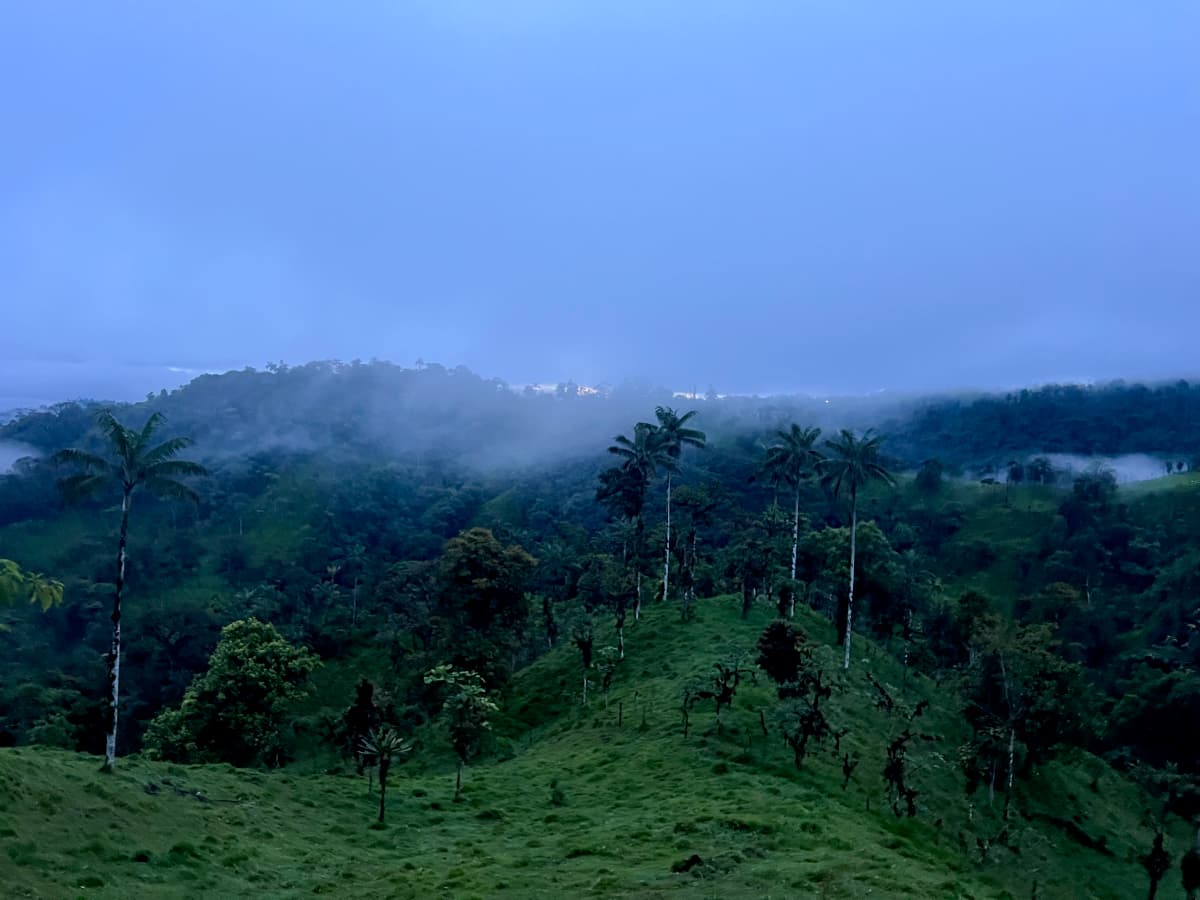
Is Río Silanche worth including in a Mindo birding route?
Yes. Río Silanche is one of the strongest ways to add genuine lowland Chocó birds to a Mindo itinerary. The canopy tower can put birders near eye level with canopy flocks, while forest trails and hummingbird feeders broaden the experience. It is especially valuable for regional endemics and birds that do not occur at Mindo’s higher elevations.
Quick facts for planning
Mindo Cloudforest Foundation says the sanctuary protects about 100 hectares of forest.
Primary and secondary forest survive within a heavily altered lowland landscape.
A strong target-bird site for lowland endemics, mixed flocks and photography.
Verified visitor features
50-foot canopy observation tower
The sanctuary’s tower provides elevated views into the canopy, a major advantage for species that can be difficult to see from ground level.
Trail system through primary and secondary forest
Visitors can work multiple forest levels and habitat edges rather than relying on one observation point.
Hummingbird feeders
Feeders add close observation and photography opportunities alongside tower and trail birding.
Travel context from Mindo and Quito
Local guide planning estimate. Allow extra time for traffic, weather and the final rural access.
Mindo Cloudforest Foundation describes Río Silanche as roughly a three-hour drive from Quito.
Travel times are planning ranges, not guarantees. The official directions include a 7 km all-weather dirt road followed by a final uphill approach, so rain, traffic and road conditions can affect the drive.
Access and directions
Plan for the final dirt-road approach
Official directions place the turnoff around kilometer 126 on the Quito-Calacalí-Río Blanco road, followed by about 7 km on an all-weather dirt road, the Silanche River bridge and a final uphill section to the entrance and parking area.
A precise Google Maps entity URL was not supplied, so this build does not publish coordinates or a map button. MBW can coordinate the current approach as part of your private route.
Plan Río Silanche with Mindo Bird Watching
We can coordinate the current access, pickup and reserve timing inside a private route from Mindo or Quito.
Who Río Silanche is best for
Lowland Chocó target birders
A priority when your list includes species that are scarce or absent in the higher Mindo cloud forest.
Canopy birding fans
The observation tower changes the viewing angle and can make canopy flocks far easier to study.
Bird photographers
Tower views, feeders and trail birding create several different photographic setups in one visit.
Habitat and conservation context
One of the remaining lowland Chocó fragments
Río Silanche preserves forest in a region where much of the original lowland habitat has been converted, making the sanctuary important for regional bird diversity.
Part of a broader northwest-Ecuador conservation network
The sanctuary is managed by Mindo Cloudforest Foundation, which works on habitat protection, restoration and bird conservation in the Andean Chocó.
Birds to look for
Purple-chested Hummingbird
A classic Chocó specialty and one of the signature hummingbirds associated with Río Silanche.
Chocó Trogon
An important regional target of humid western lowland and foothill forest.
Scarlet-breasted Dacnis
A striking canopy bird that benefits from elevated viewpoints when active.
Blue-whiskered Tanager
A highly desired Chocó tanager and one of the species that gives Río Silanche strong target-bird value.
Rufous-winged Tanager
Another western-Ecuador specialty that may appear in canopy activity and mixed flocks.
Moustached Antwren
A smaller forest species that rewards careful listening and patient work away from the tower.
Recent Río Silanche sightings on eBird

Check the Río Silanche Bird Sanctuary hotspot
Use eBird hotspot L1396974 to review recent checklists, reported species and current birding activity before your visit.
Photography fit
Canopy-level viewpoints
The tower can bring photographers closer to tanagers, dacnis, toucans and other canopy birds.
Hummingbird activity
Feeders can provide repeated close-range opportunities when hummingbirds are active.
Humidity and changing light
Clouds, moisture and forest shade reward fast autofocus, flexible ISO and weather protection.
How to bird Río Silanche efficiently
Start with the tower when canopy activity is strong
Early mixed flocks can move quickly; getting height early may be the best way to connect with canopy targets.
Work the forest trails after the tower
Antbirds, trogons and understory species require a slower listening-focused approach away from the main viewpoint.
Build enough time for a true lowland session
The drive is meaningful, so avoid treating Río Silanche as a rushed roadside stop. Give the habitat enough time to become productive.
Guide vs. self-guided
Guided route
Best for target birds, vocalizations, mixed flocks and deciding when to switch between tower, feeders and trails.
Independent visit
Possible with a required reservation, but local knowledge can substantially improve efficiency in this diverse lowland bird community.
How to combine Río Silanche with other birding sites
Río Silanche + Milpe
A natural lower-elevation pairing for comparing true lowland Chocó birds with the slightly higher Milpe community.
Río Silanche + Mashpi-Amagusa
A strong multi-day Chocó route for localized tanagers, hummingbirds and lowland-to-foothill diversity.
Río Silanche + Mindo
Use Mindo as the higher cloud-forest base, then dedicate a separate day to the lowlands for maximum species turnover.
Practical planning checklist
- Reservation is currently required.
- Bring water, snacks or a packed meal because there is no restaurant on site.
- Use insect repellent and sun/rain protection for warm humid lowlands.
- Bring binoculars and a telephoto lens if photography is important.
- Allow margin for the final dirt-road approach.
- Use recent eBird activity to refine target expectations; never treat sightings as guaranteed.
Related reserve and planning pages
FAQs About Río Silanche Bird Sanctuary
Is Río Silanche Bird Sanctuary worth visiting from Mindo?
Yes. Río Silanche adds true lowland Chocó forest to a Mindo itinerary, with canopy-tower birding, hummingbird feeders and species that become harder or absent at higher elevations. It is especially worthwhile for Chocó target birders and photographers who want a strong low-elevation contrast.
How far is Río Silanche from Mindo?
Local guide planning allows about 1.5 hours from Mindo. Treat that as a realistic planning estimate rather than a fixed promise because pickup point, traffic, weather and the final dirt-road access can change the drive.
How far is Río Silanche from Quito?
Mindo Cloudforest Foundation describes Río Silanche as about a three-hour drive from Quito. Current conditions can vary, especially on the final access road, so allow extra margin for traffic, weather and slower rural sections.
What birds can you see at Río Silanche?
Lowland Chocó specialties include Purple-chested Hummingbird, Chocó Trogon, Double-banded Graytail, Moustached Antwren, Stub-tailed Antbird, Scarlet-breasted Dacnis, Blue-whiskered Tanager and Rufous-winged Tanager, among many others. Sightings always depend on daily activity and conditions.
Is Río Silanche good for bird photography?
Yes. The 50-foot canopy tower gives an unusual eye-level view into the forest canopy, while hummingbird feeders and trail birding add other photographic opportunities. Humidity, clouds and low forest light make weather protection and a telephoto lens especially useful.
Do you need a reservation or guide at Río Silanche?
The sanctuary currently requires a reservation. A guide is not presented as mandatory, but it is highly useful for target species, canopy calls and making efficient use of a remote lowland site. Mindo Bird Watching can coordinate Río Silanche inside a private route.
Next step
Build Río Silanche into a private lowland Chocó route.
Tell us your dates, pickup point, target birds, photography goals and available time. We can compare Río Silanche with Milpe, Mashpi-Amagusa, Mindo and higher reserves before building the route.
What happens next
- Share your date, pickup point and priority birds.
- We compare Río Silanche with complementary elevations and reserves.
- We build a realistic route around road time, weather and birding priorities.
- You confirm the itinerary that best fits your trip.